How Much Does It Cost to Charge an Electric Car?

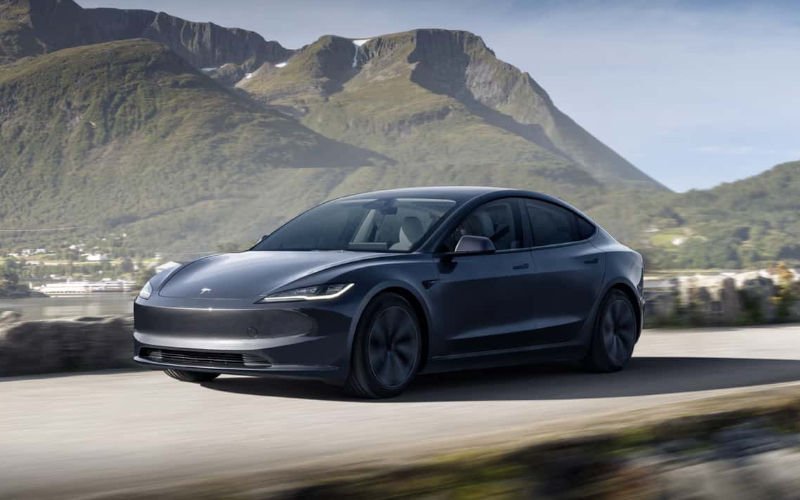
How much does it cost to charge an electric car? It is one of the first questions people ask when considering an electric vehicle (EV).
The answer depends on several factors, including the vehicle’s energy consumption, battery size, electricity price, charging method and where you charge the car.




Unlike gasoline and diesel vehicles, electric cars measure energy consumption in kilowatt-hours per 100 kilometers (kWh/100 km) or, in some markets, kilowatt-hours per 100 miles.
Once you know the vehicle’s energy consumption and your electricity price, you can calculate the approximate charging cost quite easily.

How Do You Calculate the Cost of Charging an Electric Car?
The basic formula is:
Charging cost = Electricity used × Price per kWh
For example, if an electric car uses 16 kWh to travel 100 km and electricity costs $0.15 per kWh:
16 × $0.15 = $2.40 per 100 km
This is a simplified energy-cost calculation. Actual costs can be higher because some electricity is lost during the charging process.
How Much Electricity Does an Electric Car Use?
Energy consumption varies significantly between electric vehicles.
A small and efficient EV may use around 13–15 kWh per 100 km, while a larger electric SUV, pickup truck or high-performance vehicle can use more than 20 kWh per 100 km.
Official efficiency figures are usually measured under standardized testing conditions. Real-world consumption can be different depending on speed, temperature, road conditions, vehicle weight, climate control and driving style.
For this reason, it is better to use your vehicle’s real-world consumption when estimating charging costs.
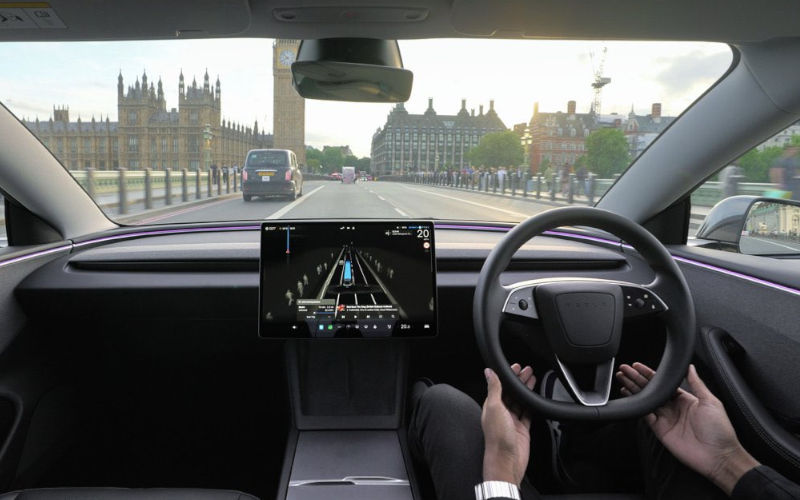
How Much Does It Cost to Charge an EV at Home?
Home charging is often the most convenient way to charge an electric car. Many EV owners charge overnight using residential AC charging equipment. The U.S. Department of Energy notes that most EV drivers can meet their daily driving needs through overnight home charging.
The cost depends on your local electricity rate.
For example, suppose your EV consumes 16 kWh per 100 km and your electricity rate is $0.15 per kWh.
- 100 km: $2.40
- 500 km: $12.00
- 1,000 km: $24.00
These are illustrative calculations, not universal electricity prices. Electricity rates vary considerably between countries, regions, utilities and charging plans.
Does Home Charging Cost Less Than Public Charging?
It often can, but there is no universal rule.
Home charging is based on your residential electricity rate, while public charging operators may include infrastructure, maintenance, network and operating costs in their prices.
Public charging prices can also vary depending on the charging network, location, charging speed, membership plan and pricing model.
The U.S. Department of Energy notes that public charging generally costs more than charging at home, particularly for DC fast charging.
How Much Does DC Fast Charging Cost?
DC fast charging is designed to add a significant amount of energy in a relatively short period.
Because DC fast chargers require more powerful infrastructure and have higher operating costs, their prices are often higher than residential charging.
However, there is no single global DC fast-charging price. Some networks charge by the amount of electricity delivered, while others may use different pricing models or add session, parking or membership fees.
The final cost therefore depends on the specific charging network and location.
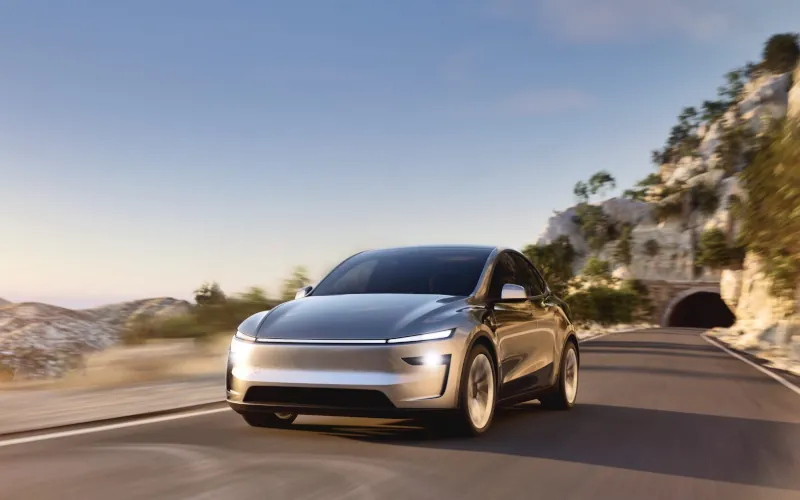
How Much Does a Full Charge Cost?
A full charge does not have a fixed price because electric cars have different battery capacities.
Consider an EV with a usable battery capacity of 60 kWh.
If electricity costs $0.15 per kWh, the theoretical energy cost would be:
60 × $0.15 = $9
So, at that electricity rate, adding 60 kWh to the battery would cost approximately $9 before accounting for charging losses or additional fees.
In real-world charging, the electricity drawn from the grid can be greater than the energy actually stored in the battery.
What Are EV Charging Losses?
Not all electricity drawn from the grid ends up stored in the battery.
Energy can be lost during the charging process through the vehicle’s charging system, battery management system and charging equipment.
The U.S. Department of Energy has cited charging losses of around 16% in an analysis of electric vehicle energy use, although actual losses can vary depending on the vehicle, charger and charging conditions.
This means that if your car stores 50 kWh in its battery, the electricity meter may record more than 50 kWh of energy consumption.
For a more accurate cost calculation, use the electricity drawn from the grid rather than only the energy added to the battery.
How Much Does It Cost to Drive an Electric Car 100 km?
For most drivers, the cost per 100 km is more useful than the cost of a full charge.
Consider three hypothetical electric cars:
| Energy consumption | Electricity price | Energy cost per 100 km |
|---|---|---|
| 14 kWh/100 km | $0.15/kWh | $2.10 |
| 16 kWh/100 km | $0.15/kWh | $2.40 |
| 20 kWh/100 km | $0.15/kWh | $3.00 |
These figures demonstrate the calculation rather than representing a global electricity price.
To calculate your own cost, replace $0.15 with the electricity rate you actually pay.

Why Does EV Energy Consumption Matter?
Two electric cars can have very different running costs even if they use the same charging station and electricity rate.
For example, an efficient compact EV that uses 14 kWh per 100 km will require less energy to cover the same distance than a large SUV using 22 kWh per 100 km.
This is why kWh per 100 km is one of the most useful numbers when comparing electric cars.
Battery capacity tells you how much energy the battery can store. Energy consumption tells you how efficiently the vehicle uses that energy.
Does Battery Size Determine Charging Cost?
Battery size affects the cost of charging from one state of charge to another, but it does not determine the vehicle’s cost per kilometer by itself.
A larger battery generally requires more electricity to fill from empty to full. However, a larger battery can also provide greater driving range.
For example, a 75 kWh battery does not necessarily make a vehicle more expensive to operate per kilometer than a 50 kWh battery. The vehicle’s efficiency and real-world energy consumption are also important.
What Affects Electric Car Energy Consumption?
Real-world EV consumption can change considerably depending on driving conditions.
Important factors include:
- Driving speed
- Acceleration and braking
- Outside temperature
- Heating and air conditioning
- Wind
- Road gradient
- Vehicle weight
- Passengers and cargo
- Tire pressure
- Wheel and tire size
- City or highway driving
High-speed highway driving can increase energy consumption because aerodynamic drag rises with speed. Cold weather can also increase energy use because the vehicle needs additional energy for cabin heating and battery temperature management.
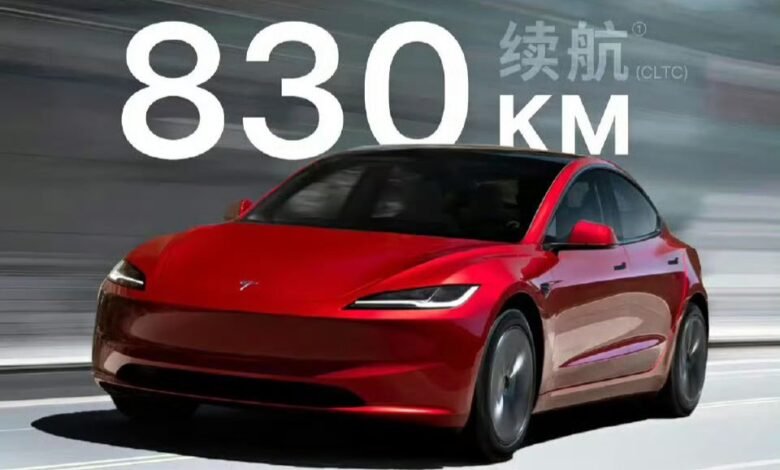
Does Charging Speed Affect the Cost?
Charging speed itself does not determine how much energy the vehicle needs to travel a certain distance.
If a vehicle needs 16 kWh to travel 100 km, using a faster charger does not automatically reduce that energy requirement.
However, faster charging can come with a higher price per kWh depending on the charging network.
There can also be differences in charging efficiency between different charging conditions and equipment.
Home AC Charging vs Public DC Charging
| Feature | Home AC charging | Public DC fast charging |
|---|---|---|
| Typical use | Daily charging | Long-distance travel and quick top-ups |
| Charging speed | Slower | Much faster |
| Pricing | Based mainly on local electricity rate | Set by the charging provider |
| Convenience | High if home charging is available | Useful when away from home |
| Infrastructure | Requires suitable home electrical equipment | Uses public charging infrastructure |
Public charging is particularly important for drivers who do not have access to home charging or who travel long distances. Public charging networks typically offer a combination of slower AC charging and faster DC charging.
Can Electricity Prices Change the Cost of EV Ownership?
Yes. Electricity prices can have a significant effect on the cost of operating an electric car.
Some electricity providers offer time-of-use pricing, meaning electricity can cost different amounts at different times of the day.
If an EV owner can charge during a lower-cost period, the cost of charging may be reduced. However, availability of these plans varies by location and electricity provider.
How Much Does It Cost to Charge an Electric Car for 1,000 km?
Suppose your EV consumes 16 kWh per 100 km.
For 1,000 km, the vehicle would theoretically use:
16 × 10 = 160 kWh
At an electricity price of $0.15 per kWh:
160 × $0.15 = $24
Therefore, the simplified energy cost would be $24 for 1,000 km.
Actual cost can be higher after accounting for charging losses and public charging fees.
How Does EV Charging Cost Compare With Gasoline?
The simplest way to compare an electric car with a gasoline vehicle is to calculate the energy or fuel cost per 100 km for both.
For an electric car:
EV cost per 100 km = kWh/100 km × electricity price per kWh
For a gasoline car:
Gasoline cost per 100 km = liters/100 km × gasoline price per liter
The same approach can be used for diesel vehicles.
This comparison should use local energy and fuel prices because both electricity and fuel costs vary significantly between markets.
What About the Cost of Installing a Home Charger?
The cost of charging an electric car is not limited to electricity.
If you install dedicated home charging equipment, you may also need to consider the cost of the charger, electrical work, permits where applicable and possible upgrades to the home’s electrical service.
The U.S. Department of Energy notes that home Level 2 charging equipment and installation costs can vary significantly depending on the equipment and electrical infrastructure.
These are generally one-time or occasional infrastructure costs rather than the recurring cost of electricity.
How to Calculate Your Electric Car Charging Cost
You can calculate your approximate EV charging cost with three pieces of information:
- Energy consumption: How many kWh the vehicle uses per 100 km.
- Electricity price: How much you pay for each kWh.
- Distance: How far you drive.
Use this formula:
Total energy cost = (Distance ÷ 100) × EV consumption × electricity price
For example:
(1,000 ÷ 100) × 16 × $0.15 = $24
For a more realistic estimate, add a margin for charging losses and any applicable public charging or service fees.
Is Charging an Electric Car Cheap?
Charging an electric car can be relatively inexpensive, but there is no universal charging cost.
The final amount depends on the vehicle’s efficiency, electricity price, charging location, charging network and driving conditions.
Home charging can provide a convenient way to control charging costs, while public DC fast charging offers speed and flexibility for longer trips.
The most useful figure for comparing EV running costs is usually the cost per 100 km, rather than the price of filling the battery from empty to full.
Final Takeaway
Calculating the cost of charging an electric car is simple once you know the vehicle’s energy consumption and your electricity rate.
Charging cost = electricity used × price per kWh.
For a realistic estimate, also consider charging losses, public charging fees, time-of-use electricity rates and the difference between your vehicle’s official and real-world energy consumption.
Because electricity prices and charging costs vary from one market to another, the best way to estimate your own EV costs is to use your local electricity rate and your vehicle’s actual kWh/100 km consumption.