How Long Do Electric Car Batteries Last?

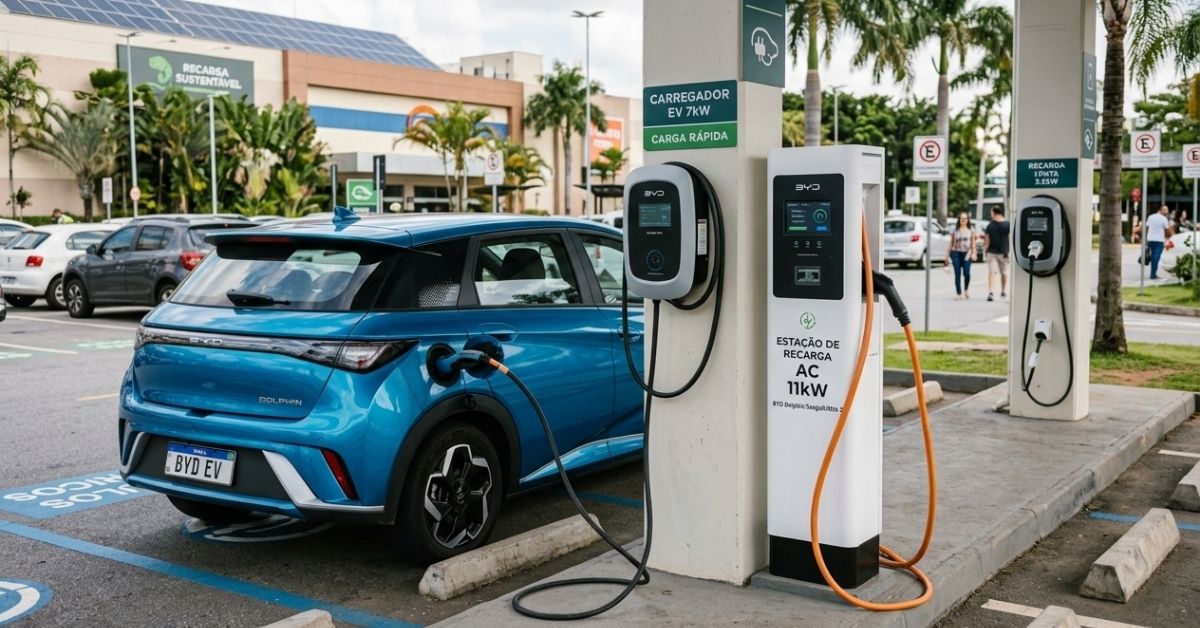
Electric car battery life is one of the most common concerns for people considering an electric vehicle. Unlike a smartphone battery, an EV battery is designed to operate for many years and thousands of charging cycles while retaining most of its usable capacity.
So, how long do electric car batteries actually last? Current real-world data suggests that modern EV batteries can remain useful for well over a decade, and many may last as long as the vehicle itself.




How Long Does an Electric Car Battery Last?
Modern electric car batteries can generally last 15 years or more, although there is no single lifespan that applies to every vehicle. Battery chemistry, thermal management, charging habits, climate and driving patterns all affect long-term battery health.
A 2026 analysis by Geotab of more than 22,700 electric vehicles across 21 models found an average battery degradation rate of 2.3% per year. Based on that rate, the average battery was projected to retain about 81.6% of its original capacity after eight years.

This means an EV battery does not suddenly stop working after a certain number of years. Instead, its ability to store energy gradually decreases, which can reduce the vehicle’s driving range.
What Is EV Battery Degradation?
Battery degradation is the gradual loss of usable energy capacity over time. A new battery starts with a state of health (SOH) close to 100%. As the battery ages, its SOH decreases.
For example, if an electric car originally has a 60 kWh battery and its state of health falls to 90%, its usable capacity would be roughly equivalent to 54 kWh.
Battery degradation does not necessarily mean that the vehicle becomes unusable. Even after years of use, an EV battery can retain a substantial portion of its original capacity.
How Fast Do EV Batteries Degrade?
Battery degradation varies significantly between vehicles and operating conditions. Geotab’s latest real-world analysis found an average degradation rate of 2.3% per year across its dataset.
Earlier Geotab research based on approximately 5,000 EVs found an average annual degradation rate of 1.8%. The difference between studies illustrates why battery lifespan should be considered an estimate rather than a fixed number.
Degradation is also not necessarily perfectly linear. Some vehicles experience a relatively noticeable reduction in capacity during the early period of ownership, followed by a slower rate of degradation.
Does Fast Charging Reduce Battery Life?
Frequent high-power DC fast charging can contribute to faster battery degradation because high charging power can generate additional heat and place greater demands on the battery.
Geotab’s latest analysis found that vehicles relying heavily on high-power DC fast charging above 100 kW experienced degradation rates of up to 3.0% per year. Vehicles primarily using lower-power charging showed an average rate of about 1.5% per year in the analyzed groups.
This does not mean that DC fast charging should be avoided. Fast charging is an important part of EV ownership, particularly on long-distance journeys. The practical approach is to use high-power charging when it is useful while relying on slower AC charging when the vehicle can charge for longer periods.
Does Hot Weather Affect EV Battery Life?
Temperature is another important factor in battery aging. High temperatures can increase the stress placed on lithium-ion batteries, particularly when combined with high charging power.
Geotab’s analysis found that vehicles operating in hot climates degraded about 0.4 percentage points faster per year than those operating in milder climates.
Modern EVs generally use battery thermal management systems to control temperature. Depending on the vehicle, these systems can heat or cool the battery to keep it within a suitable operating range.
Does Charging to 100% Damage an EV Battery?
Charging an EV to 100% is not automatically harmful. However, regularly keeping the battery at a very high state of charge for long periods can contribute to degradation.
Geotab’s data indicates that degradation becomes more pronounced when vehicles spend more than 80% of their time at or near very high or very low states of charge.
For everyday driving, following the charging range recommended by the vehicle manufacturer can help maintain battery health. A full charge may still be appropriate when maximum range is needed for a long journey.
What Affects Electric Car Battery Life?
- Battery chemistry: Different battery chemistries have different characteristics and durability.
- Charging power: Frequent high-power DC charging can increase degradation.
- Temperature: Prolonged exposure to high temperatures can accelerate battery aging.
- State of charge: Spending extended periods at very high or very low charge levels can increase degradation.
- Driving and usage: Heavy daily use can increase battery wear.
- Thermal management: Effective battery cooling and heating can help control operating temperatures.
- Battery management software: The vehicle’s battery management system controls charging, temperature and other parameters that affect battery health.
How to Make an EV Battery Last Longer
There is no way to prevent battery degradation completely, but drivers can reduce unnecessary stress on the battery.
- Use AC charging when the vehicle can remain plugged in for longer periods.
- Use DC fast charging when speed is important, such as during long trips.
- Avoid leaving the vehicle at an extremely high or low state of charge for extended periods.
- Follow the manufacturer’s recommended charging limits.
- Use the vehicle’s battery preconditioning and thermal management features when available.
- Avoid exposing the vehicle to extreme temperatures for unnecessarily long periods.
When Does an EV Battery Need to Be Replaced?
There is no universal battery replacement age. An EV battery generally does not need to be replaced simply because the vehicle reaches a certain number of years.
Replacement becomes relevant when battery degradation reaches a point where the remaining range or performance no longer meets the owner’s needs, or when a battery develops a significant fault.
Battery warranties also vary by manufacturer and vehicle. Many manufacturers provide long-term coverage for the high-voltage battery, but the exact duration, mileage limit and minimum guaranteed capacity depend on the vehicle.
Do Electric Car Batteries Last Longer Than the Car?
Real-world data suggests that modern EV batteries can remain functional for a very long time. Geotab’s analysis indicates that battery degradation at current observed rates could allow many batteries to outlast the useful service life of the vehicle.
This is important because an EV battery does not have to maintain 100% of its original capacity to remain useful. A battery with reduced capacity can still provide many years of driving, although the vehicle’s range may be lower than when it was new.
What Happens to an EV Battery After the Car?
An EV battery that is no longer suitable for its original vehicle may still have useful capacity for other applications. Depending on its condition, it can potentially be reused in stationary energy storage or other applications before being recycled.
This means the end of an EV’s useful driving life does not necessarily represent the end of the battery’s useful life.
The Bottom Line
Electric car batteries are designed to last for many years rather than a few years. Current real-world data shows that modern EV batteries typically lose capacity gradually, with the average degradation rate in Geotab’s latest large-scale analysis measured at 2.3% per year.
Charging habits, temperature, battery chemistry and vehicle usage all influence the rate of degradation. For most drivers, battery health is likely to decline gradually rather than suddenly, allowing an EV battery to remain useful for well over a decade.