Why Electric Cars Are Still Too Expensive in 2026

Electric vehicles (EVs) were once promoted as the affordable future of transportation. Governments offered incentives, automakers promised cost parity with gasoline cars, and analysts predicted rapid price declines. Yet in 2026, many consumers are still asking the same question: Why are electric cars still so expensive?
Despite technological progress and rising adoption, EV prices remain out of reach for millions of buyers. This article explores the key economic, technological, and structural reasons behind the continued high cost of electric cars in 2026.



Battery costs remain the biggest challenge
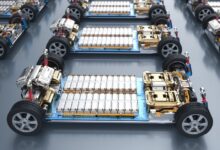
The battery pack is still the most expensive component of an electric car. Although lithium-ion battery prices have fallen significantly over the past decade, progress has slowed since 2023.
Several factors are keeping battery costs high:
- Lithium, nickel, and cobalt prices remain volatile
- Mining and refining capacity has not grown fast enough
- Geopolitical risks affect raw material supply chains
In 2026, battery costs still account for 30 to 40 percent of the total vehicle price. While solid-state batteries are frequently mentioned as a solution, they are not yet commercially viable at scale.
Raw material shortages and supply chain pressure
Electric vehicles rely heavily on critical minerals, many of which are sourced from a small number of countries. Lithium from South America, cobalt from Africa, and rare earth elements from Asia create supply concentration risks.

As global EV demand grows, competition for these materials increases, pushing prices higher. At the same time, environmental regulations and local opposition slow down new mining projects, limiting supply growth.
This imbalance between demand and supply continues to inflate production costs in 2026.
Inflation and rising manufacturing costs
Global inflation over the past several years has affected the automotive industry deeply. Higher costs for:
- Energy
- Labor
- Logistics
- Semiconductors
have made vehicle production more expensive across the board.
Electric cars, which already require complex manufacturing processes, are especially sensitive to these cost increases. Automakers often pass these expenses directly to consumers, keeping EV prices elevated.
Government incentives are shrinking or disappearing
One of the main drivers of early EV adoption was government subsidies. However, by 2026, many countries have reduced or restructured these incentives.
Some programs now:
- Apply only to locally produced vehicles
- Exclude higher-priced models
- Have strict income or eligibility limits
As a result, the real purchase price paid by consumers has increased, even if the sticker price remains unchanged.
Automakers prioritize margins over mass affordability
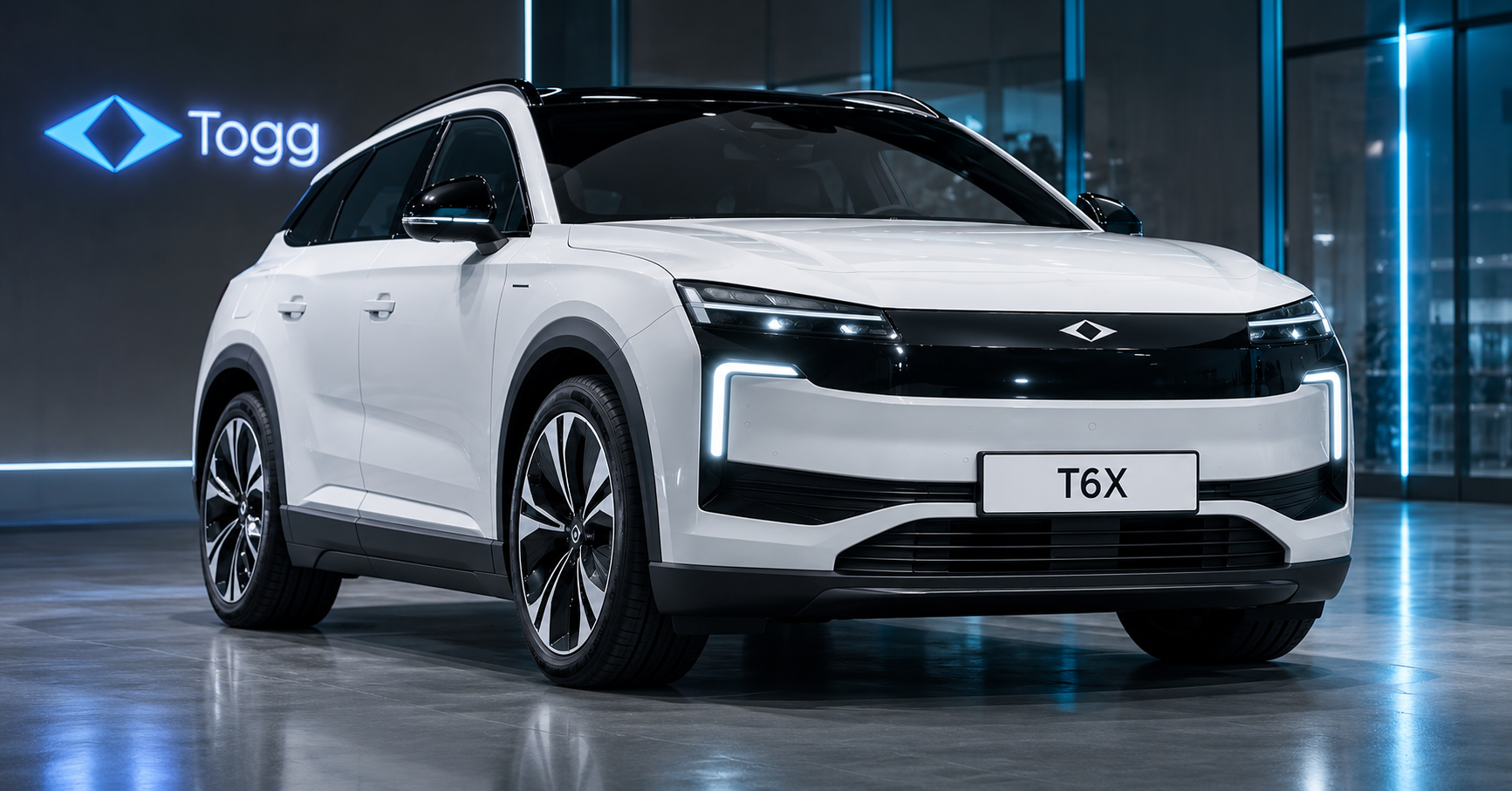
Many manufacturers still focus on premium electric models because they offer higher profit margins. SUVs, luxury sedans, and high-performance EVs dominate new launches, while truly affordable electric cars remain limited.
Developing low-cost EVs requires:
- New vehicle platforms
- Simplified designs
- Smaller batteries
These changes often reduce short-term profitability, making automakers hesitant to fully commit.
Charging infrastructure costs are built into pricing
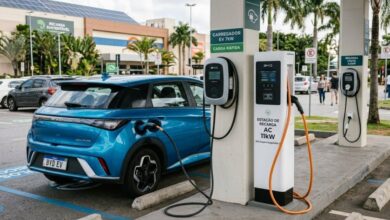
The expansion of charging infrastructure is essential, but it is not free. Automakers and governments invest billions in fast-charging networks, grid upgrades, and software systems.
Some of these costs are indirectly reflected in vehicle pricing through:
- Higher service fees
- Bundled charging packages
- Software subscriptions
This hidden cost structure contributes to the overall expense of owning an electric car in 2026.
Used EV market is still immature
In traditional car markets, affordability improves through a strong second-hand ecosystem. However, the used EV market is still developing.
Buyers remain cautious due to concerns about:
- Battery degradation
- Replacement costs
- Software compatibility
This limits resale value and keeps demand focused on new vehicles, reducing downward price pressure.
Will electric cars become affordable soon?
While prices remain high in 2026, long-term trends still point toward gradual improvement. Battery technology advances, new mining investments, and increased competition from emerging manufacturers could help reduce costs after 2027.
However, true mass-market affordability will likely depend on:
- Breakthroughs in battery chemistry
- Stable raw material supply
- Strong policy support
- Scaled production of compact EVs
Until then, electric cars remain a premium choice rather than a universal solution.
The real road to affordable electric cars
Electric cars are no longer a niche product, but they are not yet a fully affordable alternative for everyone. In 2026, high battery costs, raw material shortages, inflation, reduced subsidies, and automaker strategies all contribute to elevated prices.
Understanding these factors helps explain why the electric vehicle revolution is progressing more slowly than many expected, and why affordability remains one of the industry’s biggest unresolved challenges.