EV Battery Degradation: What You Need to Know

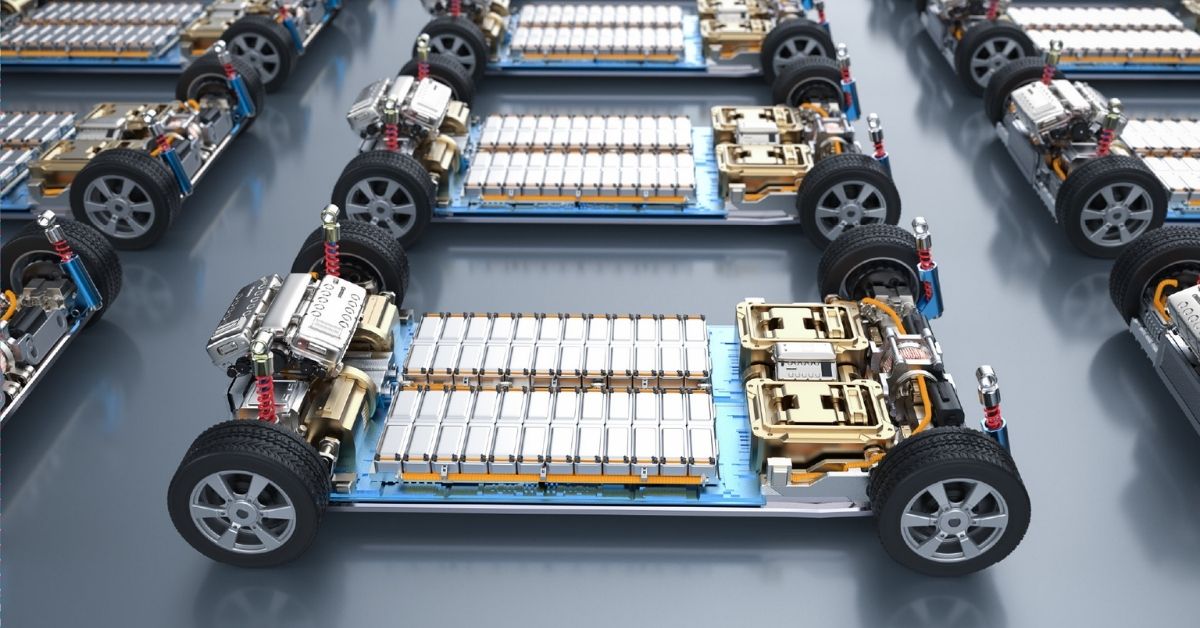
Electric vehicle batteries do not retain their full capacity forever. Like other rechargeable lithium-ion batteries, EV batteries gradually lose some of their ability to store energy as they age.
This process is known as battery degradation. It is a normal part of electric vehicle ownership, but the rate at which it happens can vary considerably depending on battery chemistry, temperature, charging habits, driving patterns and the vehicle’s battery management system.




Understanding EV battery degradation is important because it helps explain why an electric car may have slightly less driving range after several years than it did when it was new.
What Is EV Battery Degradation?
EV battery degradation is the gradual reduction in the amount of energy a battery can store and deliver compared with when it was new.

A new battery might have a usable capacity of 60 kWh, for example. If degradation reduces its usable capacity by 10%, it would effectively have around 54 kWh of capacity.
The battery has not necessarily failed. It simply stores less energy than it did when new.
How Does EV Battery Degradation Happen?
Battery degradation results from both calendar aging and cycle aging.
Calendar Aging
Calendar aging occurs simply because time passes. A battery can gradually lose capacity even when the vehicle is not being driven frequently.
Temperature and the battery’s state of charge can influence this process. Long periods at very high or very low states of charge can place additional stress on the cells.
Cycle Aging
Cycle aging is associated with charging and discharging the battery. Every time energy moves into and out of the battery, chemical processes inside the cells contribute to gradual aging.
However, one charging session does not necessarily represent one complete battery cycle. Battery cycle counting is generally based on the amount of energy moved through the battery over time.
How Much Does an EV Battery Degrade?
There is no single degradation rate that applies to every electric vehicle.
Geotab’s 2026 analysis of more than 22,700 electric vehicles found an average battery degradation rate of approximately 2.3% per year. The analysis also found substantial differences between vehicles and usage patterns.
At an average rate of 2.3% per year, a battery would retain roughly 82% of its original capacity after eight years if degradation followed a simple linear pattern. Real batteries do not necessarily degrade at exactly the same rate every year.
The same research found that vehicles exposed to frequent high-power DC charging could experience faster degradation than vehicles primarily using lower-power charging.
Does EV Battery Degradation Reduce Driving Range?
Yes. Battery degradation can reduce the maximum range available from a full charge.
For example, imagine an EV that originally had a usable battery capacity of 75 kWh and an official range of 300 miles. If the battery eventually loses 10% of its usable capacity, the amount of stored energy would be lower and the vehicle could have less range under comparable conditions.
The actual reduction in driving range will not necessarily match the percentage of battery degradation exactly because range also depends on speed, temperature, driving style, terrain, climate control and other factors.
Does Fast Charging Cause Battery Degradation?
Frequent high-power DC fast charging can contribute to faster battery degradation, particularly when it produces additional heat or keeps the battery under demanding conditions.
Geotab’s 2026 analysis found that vehicles frequently using high-power DC fast charging above 100 kW experienced degradation rates of up to about 3% per year in the analyzed groups.
This does not mean that DC fast charging is inherently harmful or should be avoided. Modern EVs are designed to support fast charging, and battery management systems actively control charging conditions.
For everyday charging, lower-power AC charging can be a practical option when the vehicle will remain parked for several hours. DC fast charging remains particularly useful for long-distance travel and quick charging stops.
Does Charging to 100% Damage the Battery?
Charging an EV to 100% does not automatically damage the battery. However, regularly keeping a battery at a very high state of charge for extended periods can increase battery stress.
For everyday driving, some manufacturers recommend charging within a specified range rather than keeping the battery at 100% all the time.
The exact recommendation depends on the battery chemistry and vehicle. Drivers should therefore follow the charging guidance provided by the manufacturer.
Why Does Battery Chemistry Matter?
Not all EV batteries use the same chemistry.
Two important lithium-ion battery chemistries found in electric vehicles are nickel-manganese-cobalt (NMC) and lithium iron phosphate (LFP).
They have different characteristics in areas such as energy density, charging behavior, thermal properties and durability.
LFP batteries, for example, are known for their durability and can generally tolerate frequent charging to a high state of charge better than some other lithium-ion chemistries. However, the recommended charging behavior should always be based on the specific vehicle.
How Does Temperature Affect EV Battery Degradation?
Temperature is one of the most important factors affecting battery performance and aging.
High temperatures can accelerate chemical reactions inside lithium-ion batteries and increase degradation. Very low temperatures can temporarily reduce battery performance and charging speed, although cold-related range reduction is not necessarily permanent degradation.
Modern electric vehicles use battery thermal management systems to control battery temperature. Depending on the vehicle, the system can cool or heat the battery during driving and charging.
Geotab’s analysis found that vehicles operating in hotter climates experienced somewhat higher annual degradation than those operating in more moderate climates.
What Is Battery Preconditioning?
Battery preconditioning is a system that prepares the battery for a particular operating condition, especially fast charging.
When the battery is too cold or too hot, the vehicle can adjust its temperature before or during charging to reach a more suitable operating range.
Some EVs automatically begin battery preconditioning when the driver enters a compatible DC fast charger as the destination in the navigation system.
Using the vehicle’s built-in thermal management features can help the battery operate within the conditions intended by the manufacturer.
Can Driving Habits Affect Battery Degradation?
Driving habits can influence battery use, although battery degradation is not determined by one factor alone.
Repeated high-power acceleration, frequent fast charging and operating the vehicle in extreme temperatures can place additional demands on the battery.
Normal driving, however, is part of what the battery is designed to handle. EV owners do not need to avoid acceleration or long trips simply to protect the battery.
How Can You Reduce EV Battery Degradation?
No battery can avoid aging completely, but several practices can reduce unnecessary stress.
- Follow the charging limits recommended by the vehicle manufacturer.
- Use AC charging for routine charging when practical.
- Use DC fast charging when its speed is useful, particularly during long trips.
- Avoid leaving the vehicle at a very high or very low state of charge for long periods.
- Keep the vehicle away from extreme heat when possible.
- Use battery preconditioning when the vehicle provides the feature.
- Keep the vehicle’s software updated.
- Use the manufacturer’s recommended charging settings.
How Is EV Battery Health Measured?
Battery health is commonly described using State of Health (SOH).
SOH represents the battery’s condition compared with its original or reference capacity. A battery with an SOH of 90%, for example, has retained approximately 90% of the relevant capacity used for that measurement.
However, the exact way SOH is calculated can vary between manufacturers and diagnostic systems.
The range displayed on the dashboard is not a direct battery health measurement. It is an estimate that can change based on recent driving efficiency, temperature, climate control use and other conditions.
How Can You Check an EV Battery’s Health?
The method depends on the vehicle.
Some electric cars display battery health information directly through their infotainment system or vehicle app. Others may require diagnostic equipment or a service inspection.
For a used EV, an independent battery health report can provide additional information about remaining capacity and battery condition.
A battery health check can therefore be particularly useful when purchasing a used electric vehicle.
When Does EV Battery Degradation Become a Problem?
Battery degradation becomes more significant when the remaining capacity no longer meets the driver’s needs.
A gradual reduction in range is generally expected. A sudden and substantial loss of capacity, repeated charging problems or major differences between battery performance and the vehicle’s expected behavior may indicate a problem that requires professional inspection.
Battery warranties can also provide protection against excessive degradation. The duration, mileage limit and minimum capacity threshold vary by manufacturer and model.
Does an EV Battery Need to Be Replaced After Eight Years?
No. An eight-year-old EV battery does not automatically need to be replaced.
Battery age alone is not enough to determine whether replacement is necessary. Actual state of health, remaining range, vehicle usage and battery condition are more relevant.
Many EV batteries can remain useful well beyond eight years, although their available capacity may be lower than when they were new.
What Happens to an EV Battery at the End of Its Life?
An EV battery that is no longer suitable for automotive use may still have enough capacity for other applications.
Depending on its condition, a battery can potentially be reused for stationary energy storage before being recycled.
Battery recycling can recover materials from used cells and reduce the need for some new raw materials.
EV Battery Degradation vs. Battery Failure
Battery degradation and battery failure are not the same thing.
Degradation is a gradual reduction in capacity or performance over time.
Failure refers to a fault that prevents the battery or one of its components from operating as intended.
An EV can therefore have a battery that has degraded significantly but still operates normally. Conversely, a relatively new battery can develop a fault that requires repair.
Does Battery Degradation Mean an EV Is Unreliable?
Battery degradation is an expected characteristic of rechargeable batteries rather than evidence that an electric vehicle is inherently unreliable.
The important question is how quickly a particular battery loses capacity and whether the remaining capacity continues to meet the driver’s requirements.
Modern EVs use battery management and thermal management systems specifically to monitor and control battery operation.
Conclusion
EV battery degradation is a gradual process caused by both time and battery use. The rate varies according to battery chemistry, temperature, charging behavior, driving patterns and vehicle design.
Current real-world data indicates that modern EV batteries can retain a substantial portion of their original capacity for many years. Fast charging, extreme temperatures and prolonged periods at very high or low states of charge can influence the rate of degradation, but occasional fast charging and normal everyday use are part of owning an EV.
The most useful way to think about EV battery health is not whether a battery will remain at 100% forever, but how well it retains enough capacity to meet the vehicle owner’s needs over its useful life.