AI goes physical: The convergence of intelligence and advanced robotics


Artificial intelligence is moving beyond digital screens and entering the physical world. This technological evolution combines computer vision, advanced sensors, and edge computing to create embodied artificial intelligence. The trend is systematically transforming industrial automation, manufacturing, and global supply chain logistics.
Deploying intelligent automation on the factory floor
The integration of artificial intelligence into physical machinery is altering traditional production lines. In global logistics, US technology company Amazon operates extensive robot fleets across its fulfillment centers, utilizing intelligent coordination algorithms to optimize sorting and inventory movement.




A similar transformation is visible in automotive manufacturing. German automotive manufacturer BMW integrates autonomous systems into its production facilities, allowing vehicles to navigate assembly floors independently during specific manufacturing stages.
Expanding infrastructure in next generation logistics
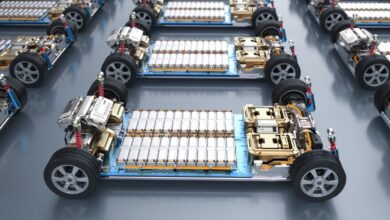
The physical expansion of artificial intelligence relies heavily on infrastructure and hardware innovations. The development of autonomous commercial truck fleets and the adoption of high capacity sodium ion battery technologies are projected to lower long haul transportation costs.
Competition in this sector is accelerating globally. Chinese technology and automotive companies, including BYD and Xiaomi, are investing heavily in automated production facilities and smart mobility ecosystems to secure leadership in physical automation.
Defining the future of industrial production
The transition of artificial intelligence from digital models to kinetic operations represents a permanent shift in global industry. As embodied artificial intelligence scales commercially, the benchmarks for manufacturing efficiency, workplace safety, and supply chain speed are being redrawn.