Global Smartphone Shipments Plunge 20% in Q3 2026


Global smartphone shipments fell 20% year over year in the third quarter of 2026, reaching their lowest level for the period since 2012. Rising memory chip costs and supply shortages linked to demand from artificial intelligence infrastructure projects are putting pressure on manufacturers and consumers.
According to preliminary estimates from Counterpoint Research published on October 12, the global smartphone market experienced its steepest third-quarter decline in 14 years. The shortage of memory components has increased production costs, prompting manufacturers to raise prices, reduce shipments and focus more heavily on profitability.




The figures highlight the growing impact of the AI boom on the consumer electronics industry, as demand for components used in data centers competes with the needs of smartphone makers.

Memory Shortages Put Pressure on the Smartphone Market
Memory chips are essential components in smartphones, supporting operating systems, applications, photography features and on-device AI capabilities. However, growing demand for memory in AI infrastructure has tightened supply and increased component costs.
Reuters reported that higher memory prices and limited availability have forced smartphone manufacturers to reassess production volumes and retail pricing. Rather than pursuing shipment growth at any cost, some companies are prioritizing margins and adjusting their product portfolios.
These pressures are particularly significant for manufacturers competing in lower-priced smartphone segments, where consumers are generally more sensitive to price increases.

The market downturn also reflects a widening gap between premium devices and more affordable models. According to Counterpoint Research, demand for premium smartphones has remained comparatively resilient, while rising prices and component constraints have placed greater pressure on price-sensitive consumers.
Samsung Maintains Its Lead as Apple Reaches a Record Third-Quarter Share
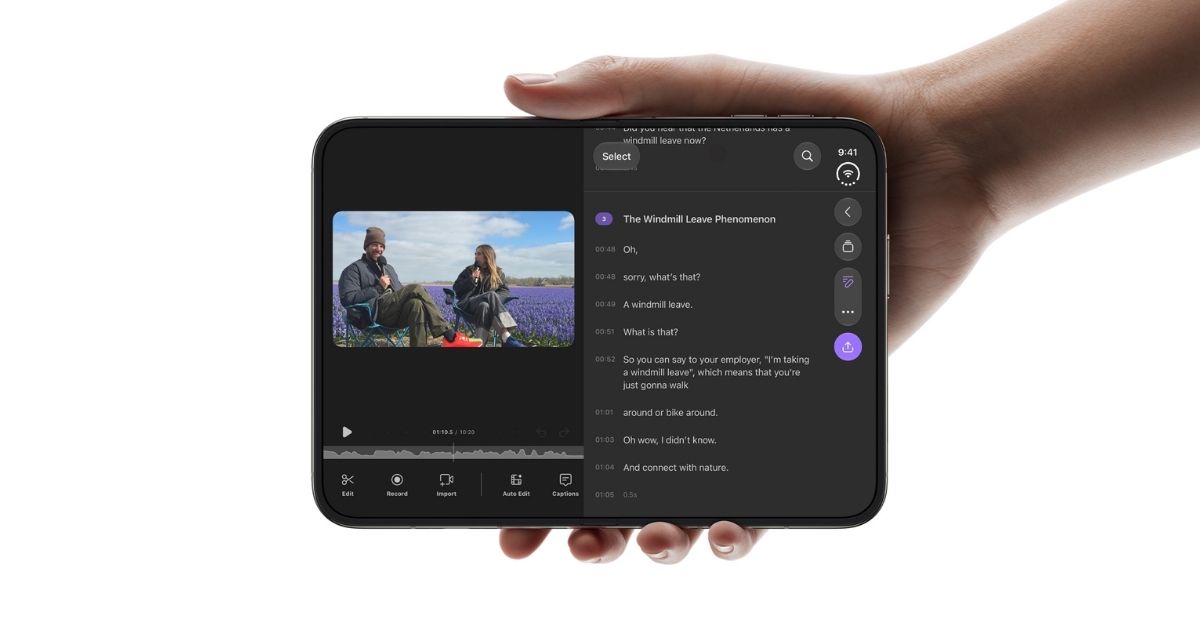
Samsung retained its position as the world’s largest smartphone vendor by shipments in the third quarter of 2026, with a 23% market share, according to Counterpoint Research.
The company’s shipments declined 3% year over year. Demand for its Galaxy Z Fold8 series and relatively stable component supplies for mid-range devices helped Samsung maintain its leading position despite the broader market contraction.
Apple captured a 22% share of global smartphone shipments, exceeding 20% for the first time in a third quarter, even though its shipments also declined year over year.
Counterpoint attributed Apple’s weaker launch-month channel fill, in part, to the absence of a standard iPhone 18 model during the period compared with the full iPhone 17 lineup a year earlier. The company’s premium models nevertheless helped support its position in the market.
The results suggest that market share and shipment growth are telling different stories. A company can increase its share of a shrinking market even when the number of devices it ships falls.
Xiaomi Faces a Sharper Decline
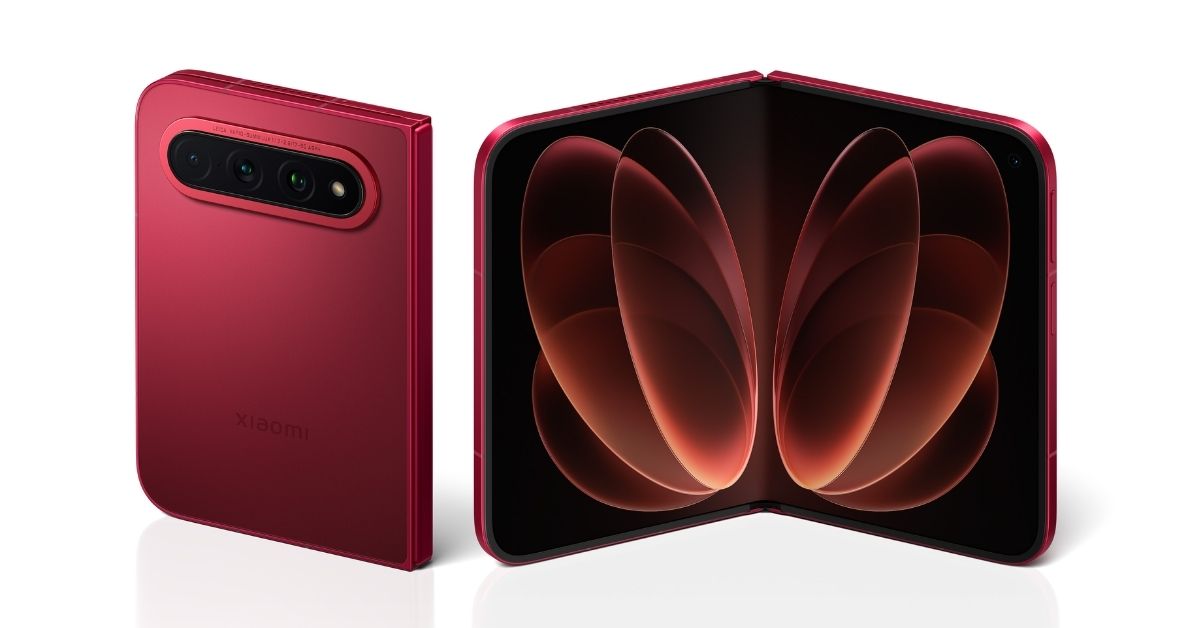
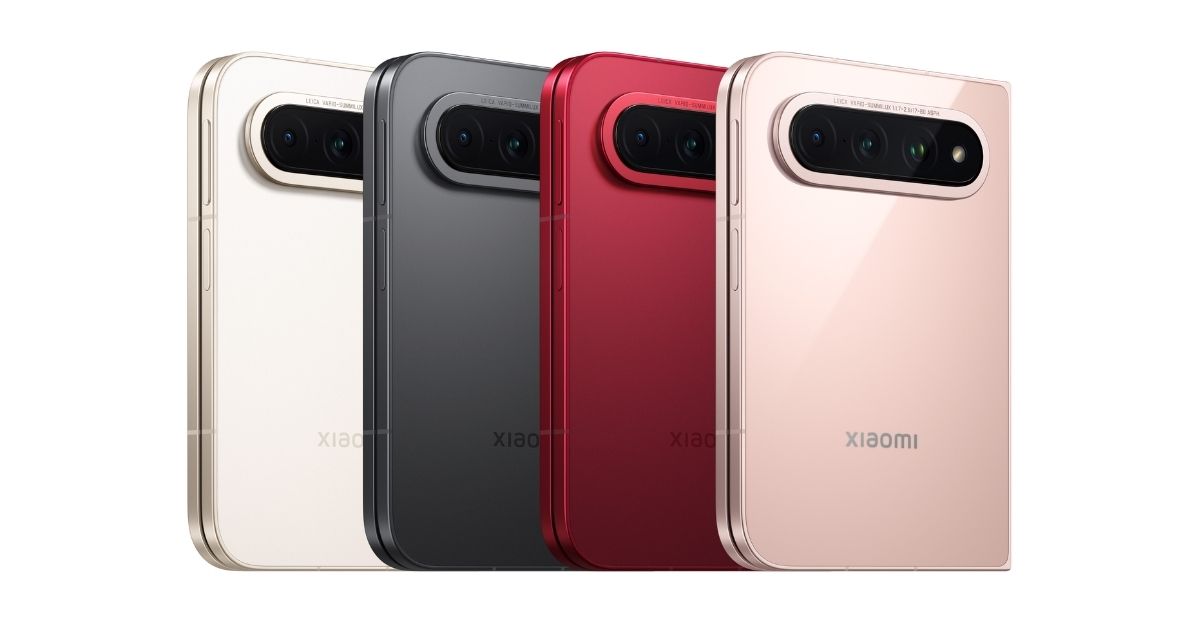
Xiaomi recorded one of the steepest declines among major smartphone manufacturers. Its shipments fell by more than 30% year over year, reducing its market share to 10%, according to Counterpoint Research.
The company has reduced its exposure to lower-priced devices and certain overseas markets as it seeks to protect margins amid rising component costs.
OPPO and vivo also recorded shipment declines exceeding 20% during the quarter.
The figures underline the challenges facing Android manufacturers that rely heavily on price-sensitive customers. When memory costs rise, companies must decide whether to increase prices, absorb lower margins, change product specifications or reduce the number of devices they ship.
These decisions can have different consequences across regions, depending on consumer purchasing power, competition and the availability of components.
Could Smartphones Become More Expensive?
Rising memory costs are increasing pressure on smartphone prices. Manufacturers may pass some of these additional expenses on to consumers, although the impact will vary by brand, model and market.
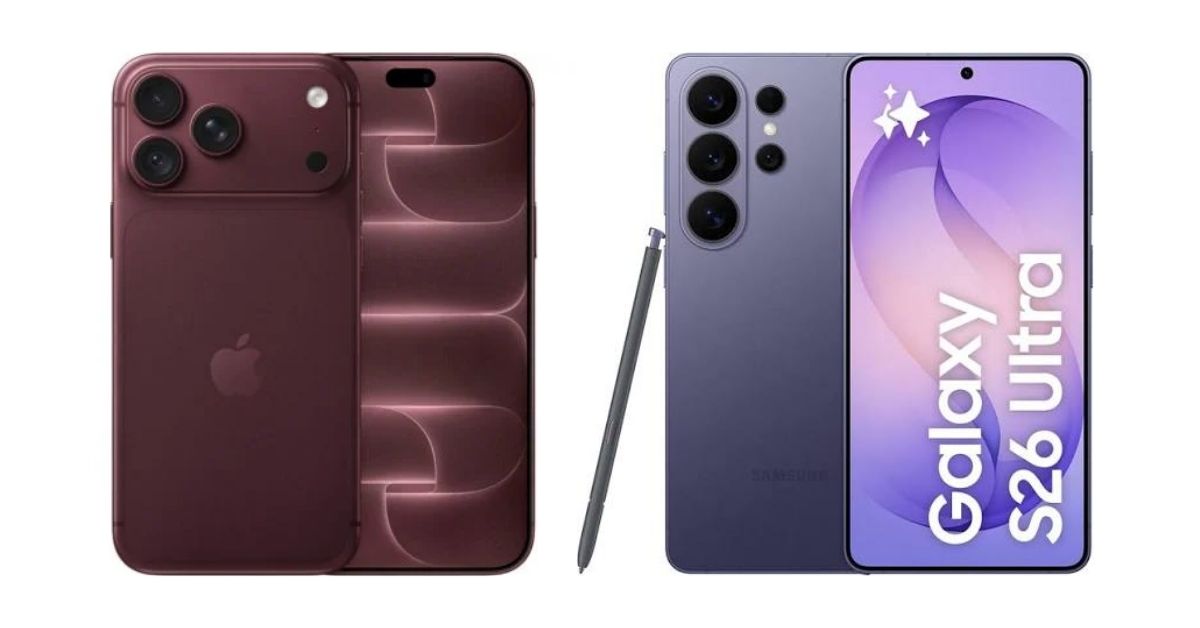
Premium devices may be better positioned to absorb higher component costs because their selling prices and margins are generally higher than those of entry-level phones. Budget smartphones, by contrast, face tighter limits on how much manufacturers can raise prices without discouraging buyers.
Companies also have other options, including simplifying product ranges, changing hardware configurations and adjusting production plans. These strategies can help manage costs, but they may limit consumer choice or slow the arrival of some models.
The latest shipment figures do not establish that every smartphone will become more expensive. They do, however, indicate that component costs and availability are becoming increasingly important factors in the market.
AI Data Centers and Consumer Electronics Are Competing for Components
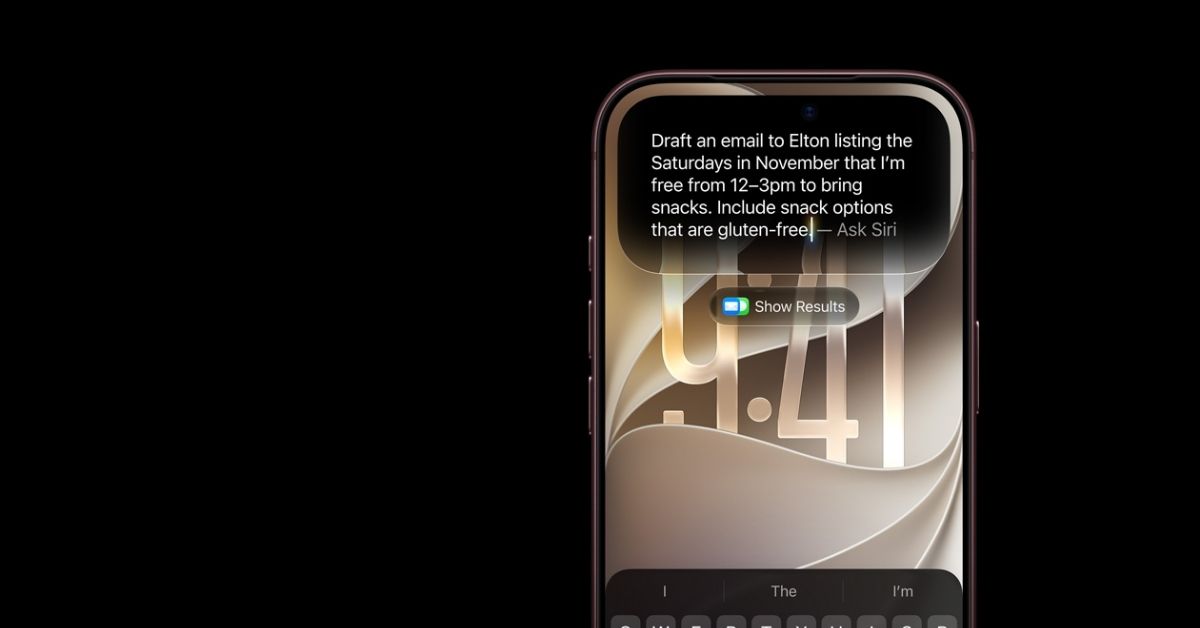
The expansion of AI infrastructure is creating new demand for advanced computing hardware and memory. This growth is benefiting semiconductor suppliers, but it is also creating supply challenges for manufacturers of consumer devices.
Smartphone makers are not the only companies affected. Personal computers and other electronics also depend on memory and semiconductor components, leaving several product categories exposed to changes in supply and pricing.
The situation illustrates a broader consequence of the AI investment boom: demand from large-scale data centers can influence the cost and availability of hardware used in everyday consumer products.
However, the effect should not be attributed to AI demand alone. Manufacturer strategies, product launch schedules, regional market conditions and consumer spending also influence shipment figures.
Smartphone Market Outlook for the Rest of 2026
Counterpoint Research expects market conditions to remain challenging during the remainder of 2026.
Production cuts, narrower product portfolios and a greater focus on premium devices could continue as manufacturers respond to high component costs and supply constraints. Lower-priced smartphones are likely to remain particularly exposed to affordability pressures.
Consumers may also change their purchasing habits. Counterpoint senior analyst Shilpi Jain told Reuters that buyers are keeping their existing devices for longer than expected, increasingly considering refurbished phones and placing greater emphasis on value.
For consumers, this could mean comparing devices more carefully, delaying upgrades or considering refurbished models instead of purchasing new phones at higher prices.
For manufacturers, the key challenge will be balancing component availability, product pricing and demand without sacrificing profitability or losing customers in competitive markets.
The next few quarters should provide a clearer picture of whether the decline represents a temporary supply-driven downturn or a more sustained change in the global smartphone market.

Frequently Asked Questions
Why did global smartphone shipments fall by 20% in Q3 2026?
According to preliminary estimates from Counterpoint Research, rising memory chip costs and supply shortages were major factors. Demand from AI infrastructure projects has tightened component availability and increased production costs.
Is this the biggest decline in the smartphone market’s history?
The reported 20% year-over-year fall made the third quarter of 2026 the weakest third-quarter performance since 2012, according to Counterpoint Research. The comparison refers specifically to third-quarter shipment performance, not every quarter in the market’s history.
Which smartphone brand led the market in Q3 2026?
Samsung led global smartphone shipments with a 23% market share. Apple followed with 22%, according to Counterpoint Research’s preliminary estimates.
How did Apple perform despite the market decline?
Apple’s share of global smartphone shipments reached 22%, crossing the 20% mark for the first time in a third quarter. However, its shipments still declined year over year.
Why did Xiaomi’s shipments fall so sharply?
Counterpoint Research reported a decline of more than 30%. Xiaomi reduced its exposure to lower-priced devices and certain overseas markets as it sought to protect margins amid higher component costs.
Will smartphone prices increase in 2026?
Higher memory costs are putting upward pressure on production expenses, which may lead to price increases for some models. The effect will vary depending on the manufacturer, product category, market and pricing strategy.
Should consumers delay buying a smartphone?
The shipment data alone cannot determine whether a consumer should buy a phone now or wait. Buyers can compare current prices, consider how long their existing device will remain useful and evaluate refurbished models where reliable warranties and support are available.
What does the decline mean for the smartphone industry?
The downturn highlights the effects of component shortages, higher production costs and changing consumer behavior. Manufacturers may focus more on premium devices, streamline their product ranges and adjust shipment plans while supply conditions remain difficult.