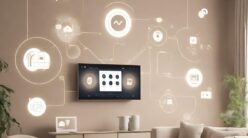
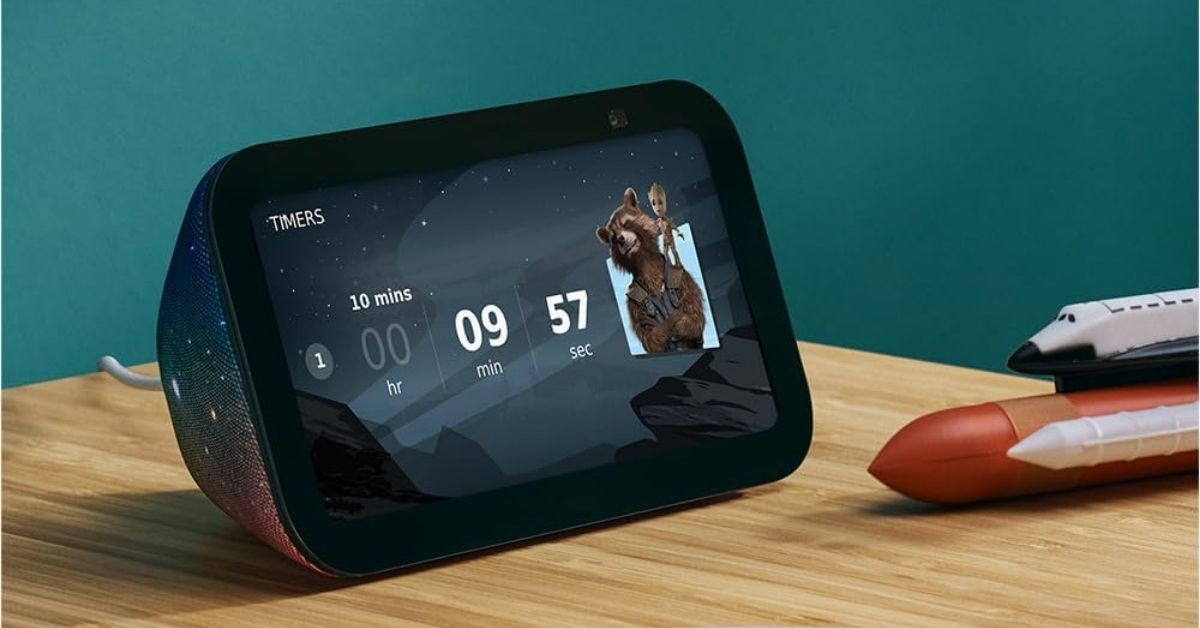
Smart home technology is evolving past isolated automated appliances and remote controlled light bulbs. Residential spaces are increasingly incorporating integrated visual hubs, commonly known as smart displays, to manage connected household infrastructure. Positioned primarily in kitchens and central living areas, these hardware units function as unified control interfaces and accessible media entertainment systems for daily household use.
Streamlining domestic operations through visual assistants
The deployment of interactive screens simplifies how residents coordinate daily schedules and manage automated hardware. By consolidating multiple applications onto a single fixed terminal, these hubs remove the requirement to unlock smartphones or tablets to perform minor adjustments to home systems.
Users routinely interact with these devices using voice commands and touchscreen navigation to display digital cooking guides, manage shared family calendars, check local weather conditions, and monitor real-time video feeds from front door security cameras. US technology companies Amazon, with its Echo Show series, and Google, via its Nest Hub devices, design these products to serve as localized organization points that synchronize data across different family member profiles.
Simplifying home automation for multi-generational spaces
The inclusion of an intuitive visual interface addresses a common challenge in residential automation: usability across different age groups. Traditional smart home applications often present complex menus that discourage interaction from individuals who are less familiar with mobile operating systems.
Smart displays resolve this accessibility barrier by presenting clear graphical icons for core household tasks. Family members can initiate a robotic vacuum cycle, dim living room lighting arrays, or power down connected television systems through straightforward on-screen options. This simplified management layout ensures that complex, multi-brand ecosystem hardware remains accessible to all residents within a household.
Transitioning from specialized hardware to an ambient standard
The strategic role of smart displays within the consumer market is expanding. As smart home ecosystems become more interconnected, the value of these central hubs is defined by their ability to convert complex connected technologies into a direct, visually cohesive interface that balances domestic organization with home entertainment.