
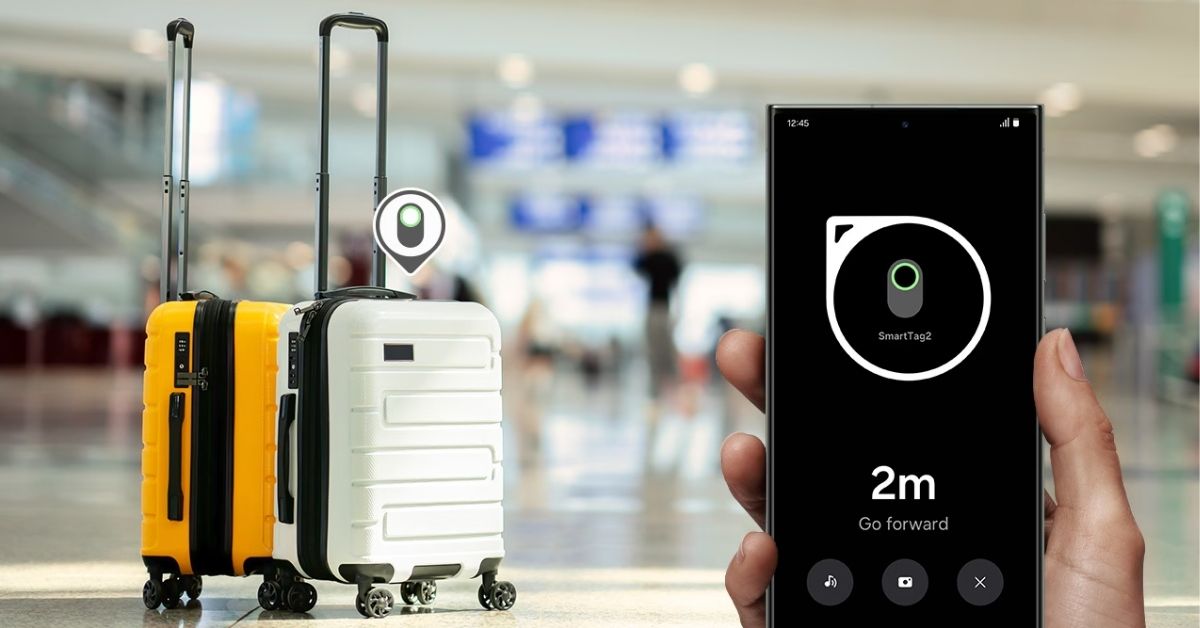
Losing personal luggage or experiencing baggage mix-ups during transit remains a primary stress factor for global travelers. To mitigate these disruptions, consumers are increasingly relying on compact, coin-sized tracking hardware known as smart tags. These mobile accessories can be placed inside suitcase liners or attached to keychains, utilizing global device networks to provide users with continuous location updates directly on their smartphones.
Locating cargo through global mesh network infrastructure
The operational utility of smart tracking beacons relies on widespread software ecosystems rather than traditional, energy-heavy global positioning systems. Because these compact tags do not house independent cellular modems or active satellite receivers, they consume very little power, allowing them to operate on a single coin battery for over a year.
To transmit location data over transoceanic distances, the tags broadcast secure, low-energy Bluetooth signals that are detected by surrounding smartphones. These passing devices act as an encrypted mesh network, relaying the tag’s precise location coordinates back to the owner via cloud servers. US technology corporation Apple with its AirTag lineup and South Korean electronics manufacturer Samsung through its Galaxy SmartTag series demonstrate how these global tracking frameworks allow a passenger to see exactly which cargo bay or sorting carousel holds their luggage.
Preventing misuse through automated privacy protection frameworks
As the deployment of location beacons expands, manufacturers are integrating specific security layers to protect consumer privacy and prevent unauthorized tracking. Early iterations of smart tags raised concerns regarding potential stalker tracking if a device was placed covertly into an individual’s personal property.
To counteract these security risks, modern tracking systems utilize cross-platform protection algorithms. When an unrecognized smart tag is detected moving continuously alongside a smartphone user who does not own the tracker, the localized operating system delivers an immediate alert to the user’s screen. Additionally, the tracking tags utilize rotating cryptographic keys during data transmission, ensuring that only the verified owner can view historical location logs.
Minimizing transit stress through accessible beacons
The integration of smart tracking devices into standard travel planning represents a significant shift in mobile accessory preferences. By offering low-cost entry points, long-term battery independence, and secure global crowd-sourced location mapping, these miniature trackers allow everyday consumers to eliminate uncertainty and maintain control over personal belongings during transit.