The RAMpocalypse and consumer tech: Why your next gadget will cost more

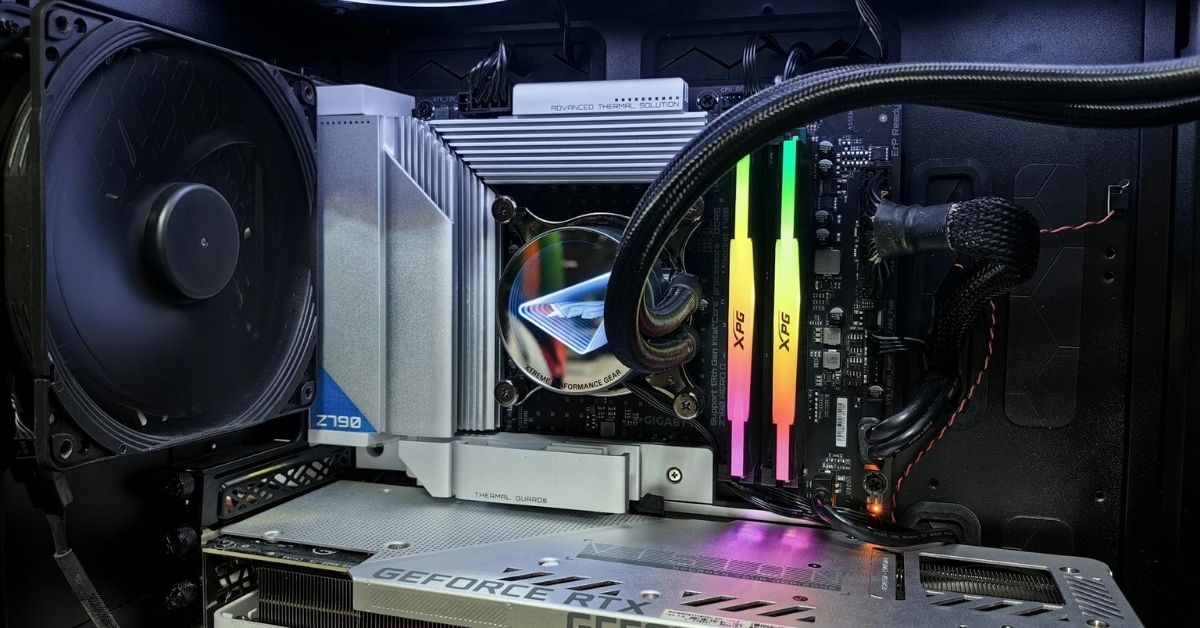
The consumer electronics industry is navigating a structural component crisis that directly threatens the retail pricing of personal hardware. For decades, memory components followed a predictable cyclical pattern of supply gluts and price corrections, allowing product designers to steadily increase system memory without inflating the end-consumer’s bill of materials.
The current landscape breaks entirely from this historical precedent. A severe global shortage of random access memory is driving massive component price increases across the semiconductor supply chain. Unlike previous market disruptions triggered by short-term logistical bottlenecks, this shift is structural, fundamentally altering how personal gadgets are engineered, configured, and priced for the global public.




The root cause: Industrial prioritization of artificial intelligence servers
The primary catalyst for this component scarcity is the massive redirection of semiconductor fabrication capacity toward artificial intelligence infrastructure. Global technology platforms are investing hundreds of billions of dollars into constructing massive data centers to power advanced large language models and autonomous agentic networks.
These hyperscale environments require specialized, high-margin memory architectures known as High-Bandwidth Memory (HBM) and server-grade DDR5. Because HBM requires vertical silicon stacking and complex integration, it consumes up to three times more wafer production capacity than standard consumer memory. Faced with massive, multi-year contracts from cloud infrastructure providers, silicon manufacturers have systematically reallocated their production lines away from standard computing and mobile memory. This reduction in conventional fabrication capacity has created a severe supply deficit for consumer electronics.
Redefining the bill of materials in computing
The impact of this supply reallocation is altering the financial architecture of personal computing. In traditional laptop and desktop assembly, random access memory historical accounted for a stable fifteen percent of a standard computer’s total bill of materials, leaving the remaining eighty-five percent of production costs distributed across the processor, display, chassis, and cooling elements.
This financial distribution has been completely upended by the ongoing memory crisis. Driven by sharp inflation in DRAM prices, memory modules now command an unprecedented thirty-five percent share of total manufacturing costs. Consequently, the financial allocation for all other components has been squeezed down to sixty-five percent of the production budget.
Faced with massive cost increases on the spot and contract markets, major personal computer manufacturers are unable to fully absorb the financial burden. To protect operating margins, hardware brands are raising retail prices on consumer notebooks and pre-built systems. Furthermore, to keep entry-level pricing looking accessible, some brands are shortening quote validity windows or deploying alternative hardware strategies, such as offering configurations with reduced solid-state storage capacity to offset the soaring price of memory modules.
Spec shrinkflation in the smartphone sector
The mobile phone ecosystem is experiencing immediate product adjustments due to these rising memory costs. High-capacity mobile memory, specifically LPDDR5X, has seen unprecedented quarterly contract price surges, directly impacting flagship and mid-range device architectures.
To manage these soaring procurement expenses without alienating price-sensitive consumer segments, mobile device vendors are resorting to a product strategy known as spec shrinkflation. Instead of delivering steady year-over-year memory increases, manufacturers are actively reducing the standard memory allocations of mid-range device portfolios. Handsets originally planned to feature twelve gigabytes of memory are being re-engineered to ship with eight gigabytes, while lower-tier segments are dropping down to minimal configurations to maintain baseline profitability. For premium flagship devices where high memory is non-negotiable to support on-device artificial intelligence processing, the increased component cost is passed directly to the consumer, pushing retail launch prices higher.
Systemic impact across the consumer ecosystem
The ramifications of this memory squeeze extend well beyond smartphones and personal computers, impacting any consumer product reliant on embedded computing systems.
The legacy component squeeze: As silicon giants abandon older lines to prioritize server-grade components, the supply of older standard categories like DDR4 is evaporating. This creates severe sourcing hurdles for industrial hardware, network routers, and smart television manufacturers.
Automotive electronics pressure: Modern vehicle cockpits utilize substantial memory arrays to power digital instrument clusters, infotainment systems, and advanced driver-assistance systems. Sourcing experts suggest that rising memory costs are surpassing traditional raw materials as a primary electronic component expense for automakers.
Market demand adjustments: Because of these widespread pricing pressures, data tracking firms indicate that global consumer tech shipments are experiencing downward adjustments as buyers demonstrate resistance to sudden retail price jumps.
Navigating an elevated pricing paradigm
The structural realignment of the memory market indicates that the era of cheap, abundant consumer storage has paused. With major semiconductor foundries fully booked supplying high-margin enterprise clients, consumer electronics brands must continue to navigate a highly constrained hardware supply chain. For the global consumer, this structural reset means that purchasing next-generation hardware will require a clear choice: either investing significantly more capital to secure top-tier performance or accepting reduced system specifications to remain within budget.