Pocket-sized theater: The magic of triple-fold smartphone architecture

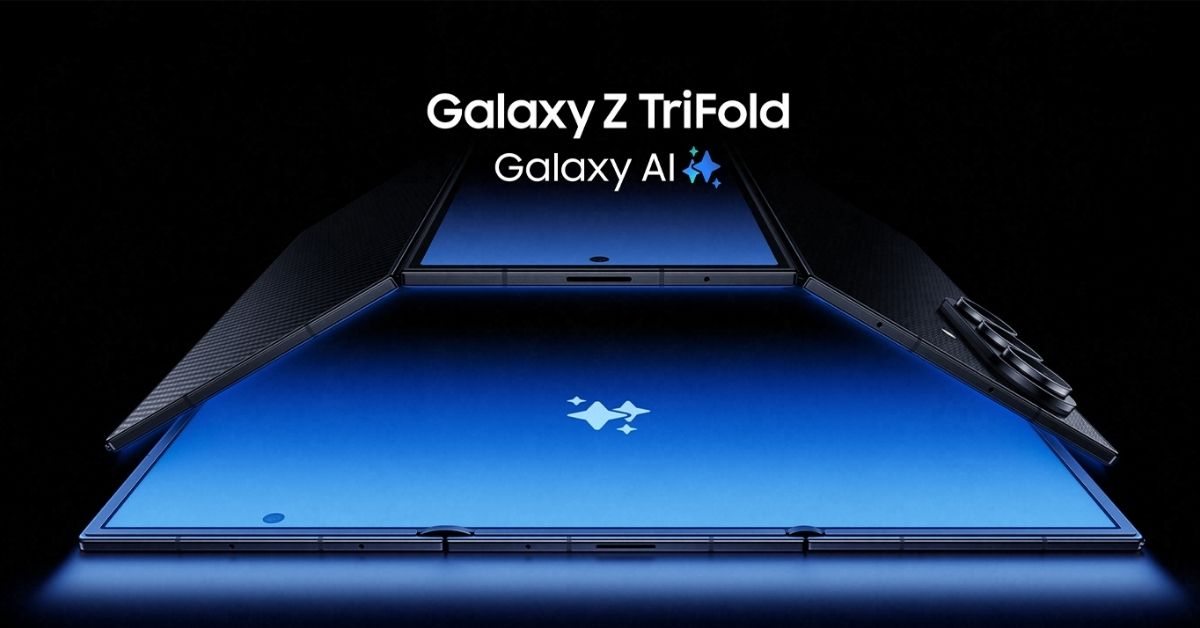
Imagine pulling a regular smartphone out of your pocket. Now, imagine unfolding it once to get a compact tablet, and then unfolding it again to reveal a massive, 10-inch desktop-grade workspace. This is no longer a sci-fi concept. With the commercial debut of innovative devices like the Chinese-based Huawei Mate XT and South Korean tech giant Samsung’s Galaxy Z TriFold, the mobile industry is officially shifting from simple “foldables” to “tri-foldables.”
But how does a device with two different hinges and three separate screen segments actually work without snapping in half? Let’s dive into the fascinating engineering that makes this pocket theater possible.



Engineering the origami: The dual-hinge masterclass
The biggest secret behind the triple-fold architecture lies in its hinges. Unlike standard folding phones that use a single hinge to close like a book, tri-fold devices must bend in two different directions simultaneously.
The Z-shape vs. G-shape mechanisms
To achieve a completely flat profile when folded, manufacturers use complex mechanical layouts:
- The Z-Shape configuration: Used in the Huawei Mate XT, this design utilizes one hinge that folds inward and a second hinge that folds outward, forming a literal “Z” shape. While this allows users to partially unfold the device to a medium, 8-inch screen size, it leaves one entire section of the flexible soft display exposed to the outside world when fully closed.
- The G-Shape configuration: Popularized by Samsung’s experimental layouts, this mechanism folds both hinges inward, wrapping the screens like a brochure. This offers superior protection for the delicate internal panel but requires a remarkably slim profile so the folded device doesn’t feel like a brick in your pocket.
Materials that bend: Surviving the daily grind
How does a solid piece of glass bend multiple times without cracking? The answer is Ultra-Thin Glass (UTG). Engineers have developed glass layers that are thinner than a human hair, combined with advanced polymer protective coatings.
Furthermore, because these devices house intricate moving parts across multiple folds, hardware developers have to get creative with structural components. For instance, the physical USB-C charging port on some of these flagships is actually thicker than a single unfolded segment of the phone itself, which shaves down to an astonishing 3.6mm to 3.9mm in thickness.

Why you will want one: Ultimate portable productivity
For the everyday user, the true value of a triple-fold device is the elimination of the “device dilemma.” You no longer need to choose between carrying a phone, a tablet, or a lightweight laptop.
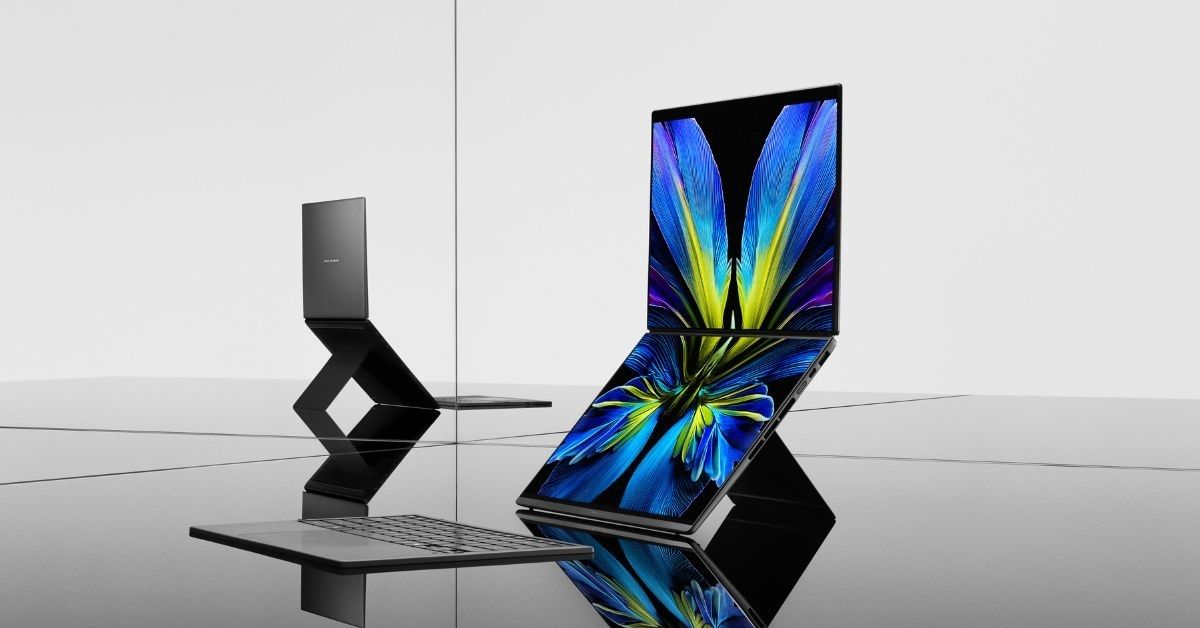
When fully extended, the expansive display opens up seamless multitasking. You can jump onto a video call on one section, take notes on the second, and keep an AI assistant running on the third. Features like desktop-mirroring software allow these devices to transform into ultra-portable workstations anywhere, instantly boosting on-the-go productivity.
The challenges ahead for the consumer market
While the form factor is undoubtedly mesmerizing, triple-fold architecture still faces a few engineering hurdles before achieving mainstream adoption:
- Durability risks: With double the moving components, dust and fine particles pose a significant threat to the complex gears inside the dual-hinge system.
- Battery distribution: To keep the phone thin, engineers must split the battery cells across the three separate physical chassis segments, requiring highly advanced power management software to drain them evenly.
- The premium price tag: As cutting-edge luxury tech, early iterations demand a substantial premium, often hovering around the $3,000 mark.
As hinge engineering continues to mature and manufacturing processes become more streamlined, triple-fold architecture is paving a clear path toward a future where our screens flex exactly to the size our day demands.