
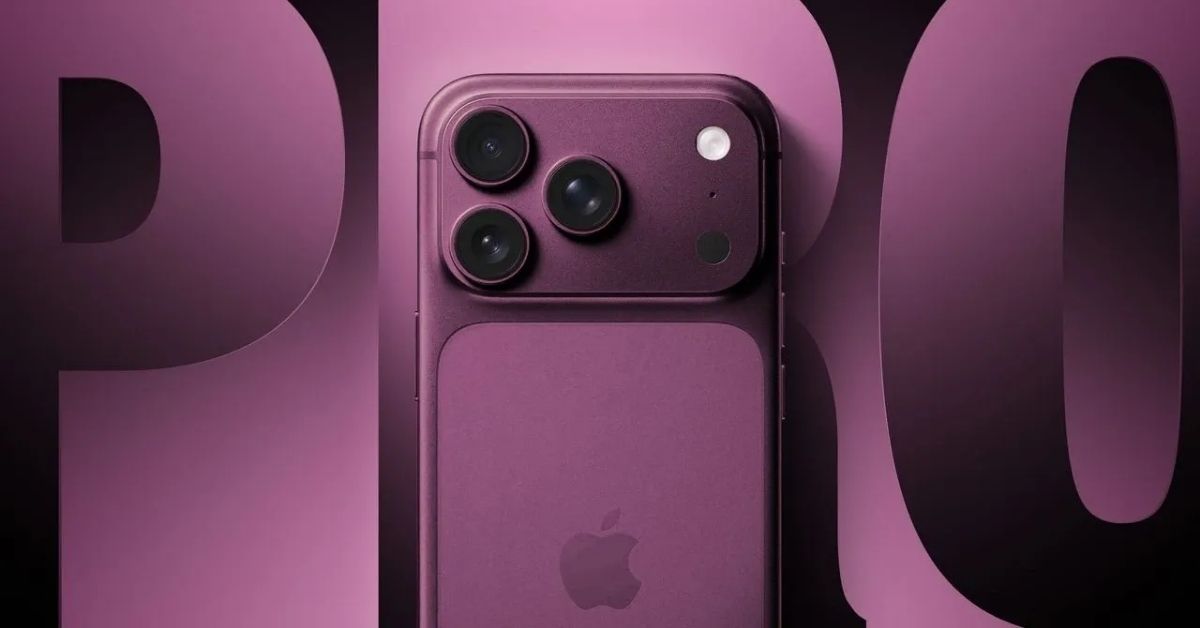
US tech company Apple has clarified the technical details regarding its highly anticipated flagship iPhone 18 Pro series ahead of its “Surprise and Shine” event on September 9. The company is reported to be changing its launch strategy this year by postponing the standard models to the spring period, while focusing exclusively on the iPhone 18 Pro, iPhone 18 Pro Max, and its first foldable model, “iPhone Ultra”, at the September event.
The new series incorporates comprehensive updates ranging from hardware architecture to exterior design. On the processor side, a transition to the A20 Pro chip, developed with a 2-nanometer manufacturing process, is planned. Produced in collaboration with Taiwan-based TSMC, the new processor architecture is expected to significantly increase data processing efficiency while reducing power consumption. For cellular connectivity, the company’s in-house developed second-generation C2 modem chip is expected to feature in these models for the first time.
Innovations in hardware and design
The Dynamic Island structure on the front panel will shrink by approximately 35 percent as part of efforts to integrate Face ID sensors under the display. On the body design, the rear glass cover has been given a seamless appearance, and a slight increase in device thickness may occur due to the addition of an air-channeled cooling system.
Physical innovations aimed at professional photography needs stand out in the camera system. The variable aperture mechanism to be used in the main camera will allow the amount of light entering the lens to be adjusted manually or via software. Additionally, the battery capacity of the device is expected to be increased to 5,000 mAh.
Cost increases and price expectations
In line with artificial intelligence-driven memory requirements, a standard 12 GB RAM capacity is expected to be included across the devices. Due to cost increases in the global memory supply chain and the impact of 2-nanometer processor manufacturing processes, the starting prices of the iPhone 18 Pro models are estimated to rise by 250 to 300 dollars.