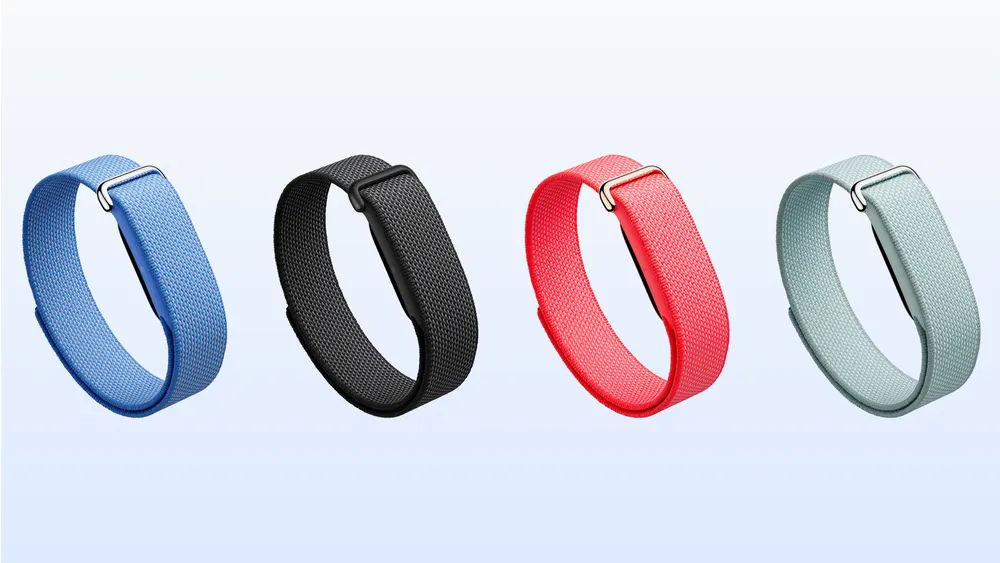
US-based technology company Google has officially announced its completely screenless smart band model, Fitbit Air, reflecting its new strategy in the wearable technology market. Developed as an alternative to the notification fatigue caused by traditional smartwatches and screened tracking devices, the device focuses on collecting passive health data in the background without distracting users.
A new link in the Google and Fitbit partnership
The search engine giant Google acquired Fitbit, one of the pioneering brands in the wearable technology market, in 2021 through an acquisition worth approximately 2.1 billion dollars. Entering a long-term restructuring process to integrate the Fitbit brand into its own ecosystem after this major acquisition, the company has introduced one of the most striking fruits of this merger to the market with the Fitbit Air model. The new band works in deep integration with the revamped Google Health application and the company’s artificial intelligence ecosystem.
Screenless design is not a first in wearable technology
Although Fitbit Air sparks a new debate in the technology world with its design, the screenless smart band concept does not constitute a first for the industry. Previously, Whoop, one of the major players in the market, had established a permanent place in this category with its fitness bands that do not feature a screen. Similarly, Polar had brought the screen-free fitness tracker formula to users in past years with the Loop series. Therefore, rather than creating a segment from scratch with the Fitbit Air, Google aims to offer a more accessible alternative to the premium and professional health tracking market that is not screen-oriented, such as Whoop and the smart ring manufacturer Oura.

Artificial intelligence-powered health coach in action
Weighing only 12 grams and designed in a “pebble” form, Fitbit Air houses no screen on its body, thereby transferring all data to the Google Health application on the synchronized smartphone. The greatest technological power of the device is the artificial intelligence assistant named “Google Health Coach” running in the background, powered by the Gemini infrastructure. This artificial intelligence system analyzes raw data collected passively, such as the user’s heart rate, sleep stages, and stress levels, to offer personalized exercise and sleep recommendations.
One-week battery life and hardware details
Rich in terms of technological components, Fitbit Air hosts advanced sensor hardware such as 24/7 heart rate monitoring, heart rhythm tracking offering Atrial Fibrillation (AFib) alerts, blood oxygen level (SpO2), skin temperature analysis, and sleep stage measurement. Due to the energy savings provided by the absence of a display panel, the device can offer a battery life of up to seven days on a single charge. Additionally, with fast charging support, a mere five-minute charge grants the band approximately one day of usage time. The product, which features a 50-meter water resistance standard, has been opened for pre-order in the US market with a starting price tag of 99.99 dollars.