
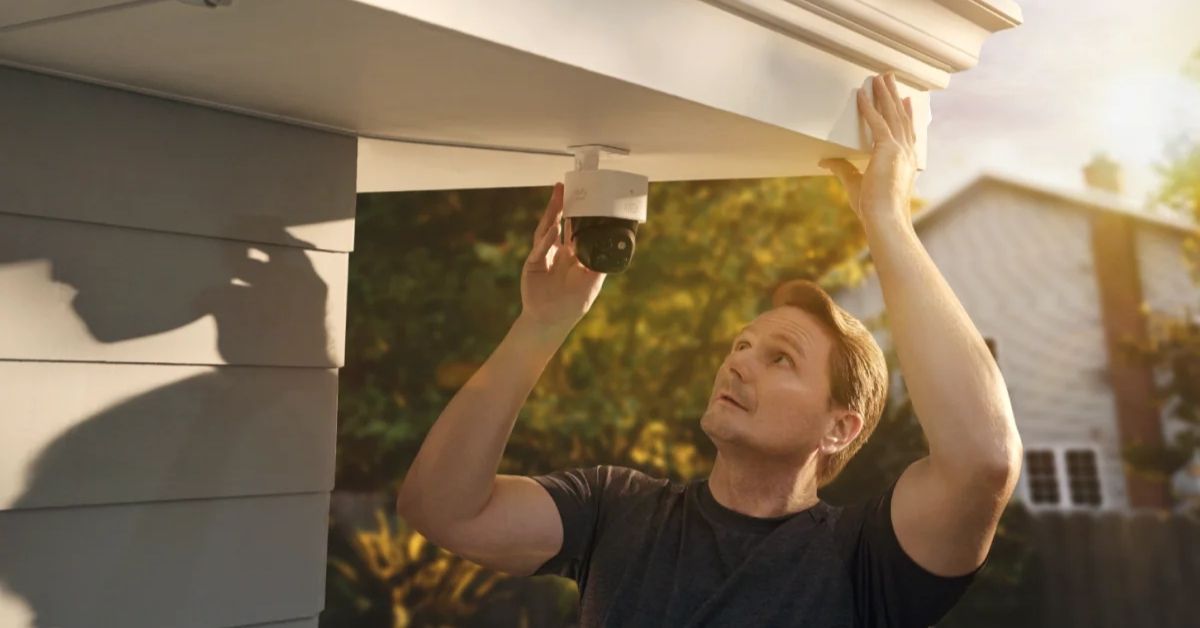
Residential security has evolved beyond complex, professionally installed alarm infrastructure that requires subscription-based monitoring services. High-definition consumer surveillance cameras have become accessible home additions due to lower manufacturing costs, wireless configurations, and simplified installation protocols. Modern product generations no longer function as simple recording lenses; instead, they integrate advanced processing units capable of evaluating environmental changes to minimize false notifications.
Mitigating false alerts through localized object classification
The primary limitation of traditional residential surveillance systems was the frequency of inaccurate motion alerts triggered by non-threatening environmental factors, such as moving window curtains, passing vehicles, or shifting shadows. Modern home security cameras resolve this limitation by deploying localized artificial intelligence models directly on internal device chipsets.
These localized machine learning models categorize detected shapes in real time, separating human movement from environmental motion. Users configure these systems to deliver specific smartphone notifications only when specific parameters are met. For example, systems can distinguish an arriving delivery package, a family pet entering a room, or a infant crying. US technology companies Google Nest and Amazon Ring, along with consumer hardware brands like Anker Eufy, prioritize this localized edge processing strategy to minimize cloud data transmission and preserve user privacy.
Extending operational flexibility through wireless solar hardware
The physical architecture of modern outdoor surveillance systems has also advanced to improve installation flexibility for everyday consumers. Traditional exterior security setups required extensive wall drilling to route permanent power cables and video transmission wires to a central recording unit.
Modern exterior cameras utilize low-power wireless communication protocols and integrated high-capacity batteries. Many outdoor variants integrate compact solar panels directly into the chassis, allowing the hardware to maintain a continuous electrical charge through ambient sunlight. Furthermore, advanced optical sensors incorporate algorithmic color enhancement features, enabling the camera to deliver clear, full-color video feeds in near-total darkness without relying on bright, disruptive spotlights.
Establishing proactive home monitoring standards
The role of consumer security cameras within the connected home market has expanded significantly. By transitioning from reactive, passive recording devices into intelligent hardware systems that understand domestic environments, modern surveillance lenses provide homeowners with precise, actionable alerts that improve daily household safety.