Next-Generation eCall modernizes vehicle safety via 4.5G and VoLTE

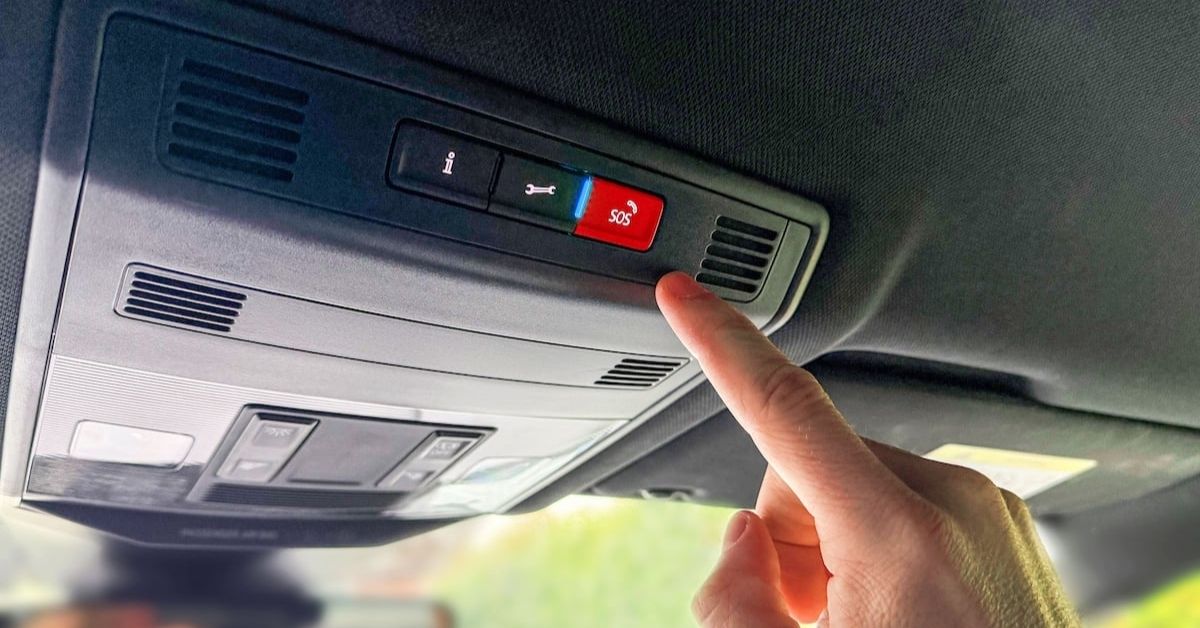
The automotive and telecommunications industries are undergoing a significant transition with the rollout of Next-Generation eCall (NG-eCall) services. By utilizing 4.5G and VoLTE (Voice over LTE) infrastructure, this advancement modernizes in-vehicle emergency communications, replacing legacy 2G and 3G systems with high-speed, IP-based connectivity. The shift ensures faster call setup times, superior voice quality, and more stable data transmission during critical emergency situations.
What is NG-eCall: A digital lifeline for the modern era
Next-Generation eCall (NG-eCall) is an automated emergency response system designed to initiate a direct link to emergency services immediately after a serious collision. While the original eCall system relied on older circuit-switched networks, NG-eCall utilizes an All-IP framework to provide a more resilient and sophisticated communication channel.




This technological evolution allows vehicles to transmit a “Minimum Set of Data” (MSD) almost instantaneously. This data package includes precise GPS coordinates, the direction of travel, vehicle identification, and fuel type. By leveraging 4.5G/LTE technology, the system serves as a strategic foundation for future 5G-integrated smart mobility services and autonomous vehicle safety protocols.
Enhancing emergency response through rich data
The move to NG-eCall enables a more comprehensive exchange of information between vehicles and Public Safety Answering Points (PSAPs). Beyond basic location tracking, the system is capable of transmitting real-time data from internal vehicle sensors and—subject to user consent—passenger medical details directly to emergency dispatchers.

This influx of rich data allows first responders to assess the severity of an incident before arriving at the scene. By identifying the exact nature of the impact and the propulsion system of the vehicle (e.g., electric vs. internal combustion), rescue teams can coordinate their equipment and medical response with higher precision and efficiency.
Global regulatory standards and compliance timeline
The implementation of eCall systems has been a mandatory safety feature for new vehicle types in various international markets since 2018. However, the global phase-out of 2G and 3G networks has necessitated the industry-wide shift to NG-eCall to ensure service continuity and reliability.
According to established regulatory roadmaps, as of January 1, 2026, NG-eCall compliance became mandatory for the type approval of all new passenger vehicles entering the European market. By January 2027, this requirement will extend to all newly manufactured vehicles. This transition ensures that emergency communication remains functional as global telecommunications move toward a fully digital, high-capacity future.