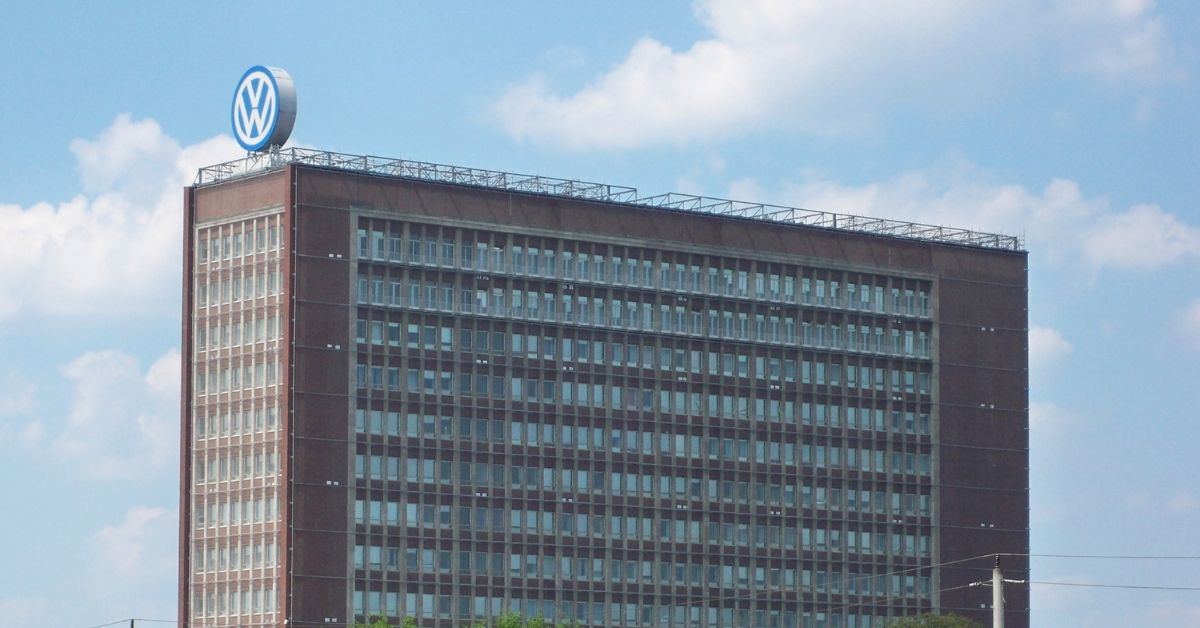
German automotive company Volkswagen is planning to transform its Osnabrück plant—whose future has become uncertain due to low demand and cost-cutting measures—into a military component production site in cooperation with Israel-based Rafael Advanced Defense Systems.
At a time of increasing competition with U.S.-based technology companies and a challenging transition to electric vehicles, the German automotive company Volkswagen is making a strategic shift. Volkswagen Chief Executive Officer (CEO) Oliver Blume confirmed plans to convert the company’s Osnabrück facility to produce military equipment for Israel-based Rafael Advanced Defense Systems. At the plant, which employs approximately 2,300 people, the production of passenger vehicles is intended to be replaced by the manufacturing of logistics components for air defense systems.
Logistics support and component production for Iron Dome
The ongoing negotiations envision the factory producing critical components for Israel’s Iron Dome air defense system. CEO Blume stated that the factory would not produce weapons directly; instead, it would focus on Volkswagen’s core competencies, such as vehicle and logistics systems.
In this context, the plant is not expected to manufacture the missiles themselves, but rather the heavy-duty trucks that carry the missiles, launch units, and generators necessary for the system’s operation. Rafael is expected to establish a separate facility in Germany for missile production.
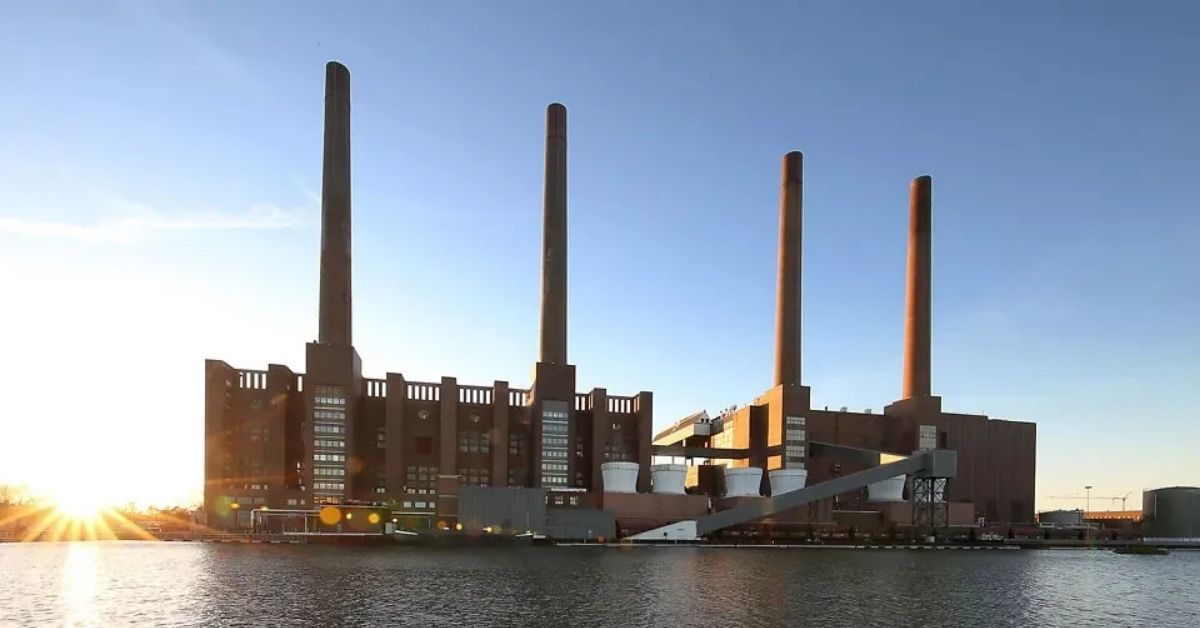
Historical legacy and ethical debates
This move by Volkswagen has reignited debates regarding the company’s dark past. Founded with the support of Adolf Hitler, the leader of Nazi Germany during the Second World War, the company was known for its military production and forced labor practices during the war era; today, it faces a similar ethical test. Critics are drawing parallels between Volkswagen’s activities during the Nazi era and the current policies of Prime Minister Benjamin Netanyahu’s government in Israel.
Providing parts for the defense systems of the Netanyahu administration, which faces allegations of “war crimes” in the international community due to military operations in Gaza, is described by some circles as “complicity in war crimes.” Peace activists and some opposition representatives argue that Volkswagen should learn from its history and that providing technological support for systems used in conflict zones is incompatible with the company’s corporate responsibility.
Economic necessity or strategic error?
Production of the T-Roc Cabriolet model currently manufactured at the Osnabrück plant is scheduled to be phased out by 2027. While the defense industry transformation, proposed to prevent the closure of the facility, is supported by the works council to protect employment, it is viewed as risky in terms of its political consequences. It is stated that this transformation, which is also strategically supported by the German government, could be completed within 12 to 18 months if the works council provides approval.