Russia’s Starlink rival Rassvet satellites reach orbit

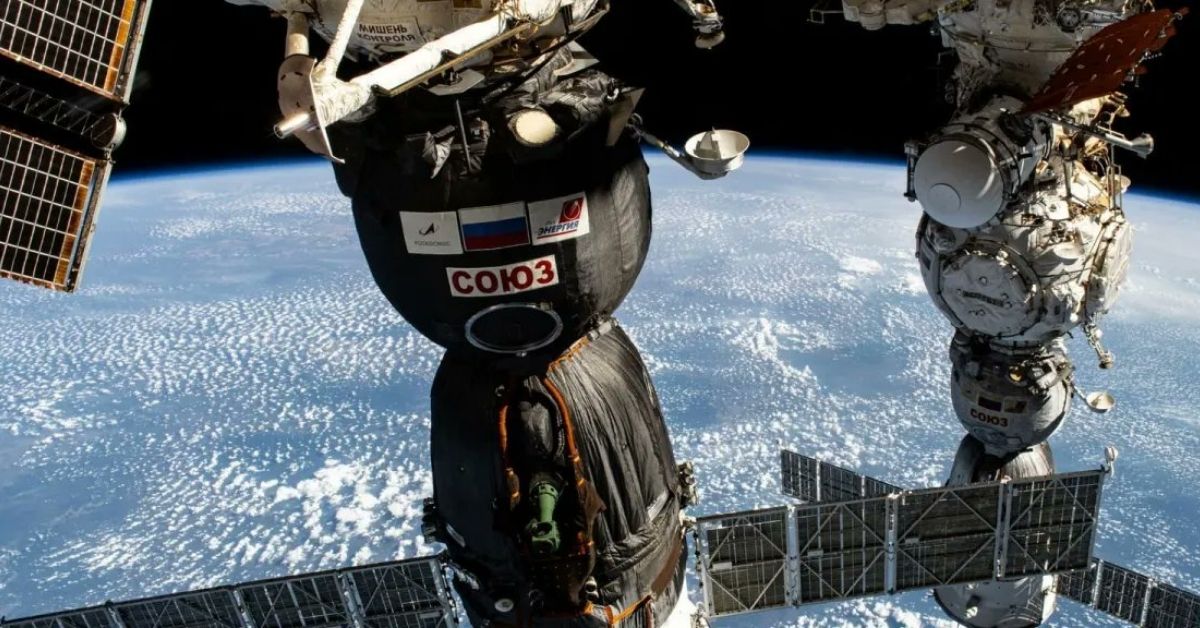
Russia has passed a critical milestone in its “Rassvet” project, developed as a domestic alternative to Elon Musk’s Starlink system. In a concrete step toward the country’s goal of providing broadband internet via a low-orbit satellite constellation, 16 new satellites have been placed into orbit.
Successful launch with Soyuz-2.1B rocket
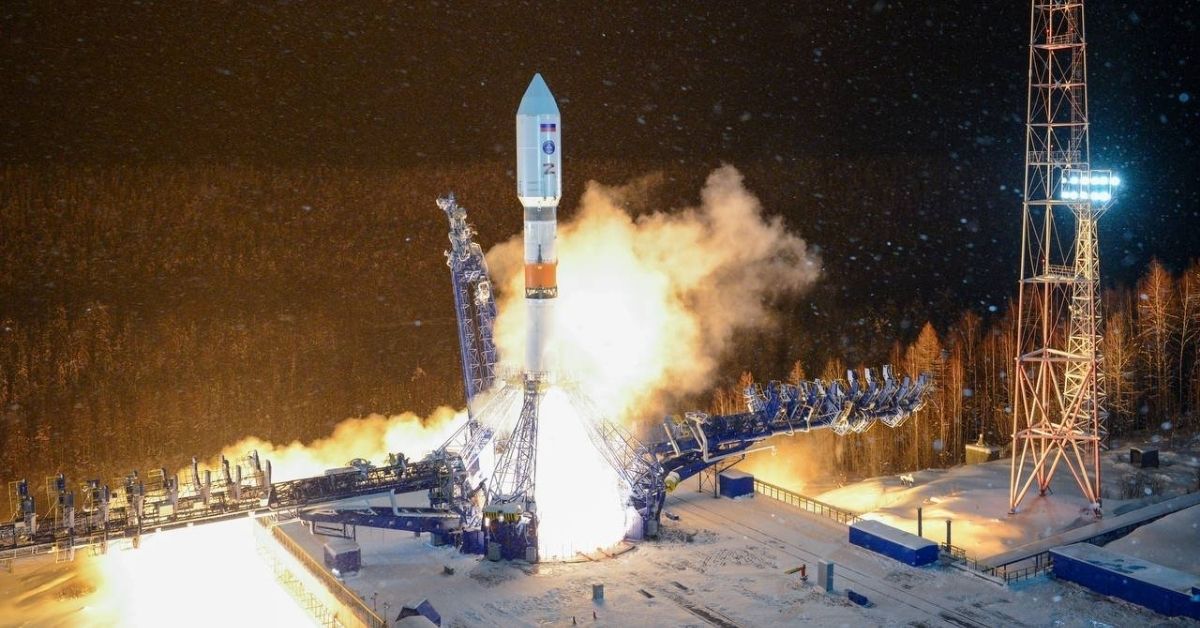
The Russian-made Soyuz-2.1B rocket, launched from the Plesetsk Cosmodrome, successfully carried 16 full-capacity internet satellites developed by Bureau 1440 into orbit. The Russia-based technology company Bureau 1440 reported that the launched satellites reached their reference orbits and are now under the management of the control center. Company officials stated that this launch represents a transition from the experimental phase to the creation of a functional communication service.



Transition to operational phase and technological features
The new generation satellites sent as part of the Rassvet (Dawn) project are equipped with a communication system based on 5G NTN architecture and inter-satellite laser communication terminals. Bureau 1440 announced that exactly 1,000 days passed from the first experimental launch to the deployment of operational serial-production satellites. While previous tests achieved download speeds of 10 Mbps and a latency of 41 milliseconds, it was noted that the goal with these new generation satellites is to increase speeds to 1 Gbps.
2027 target for commercial service
According to the roadmap of the project, which is part of Russia’s sovereign internet network strategy, the number of satellites in orbit is planned to exceed 250 by 2027. The date set for the system to enter full commercial service was also announced as 2027. The long-term goal of the project is to reach a constellation of 900 satellites by 2035, providing uninterrupted internet access globally.
Conclusion and global competition
While 102.8 billion rubles have been allocated from the Russian federal budget for the Rassvet project, Bureau 1440 is expected to invest 329 billion rubles from its own resources by 2030. In a market dominated by Starlink with more than 6,000 satellites, Russia aims to achieve strategic independence by establishing its own low-orbit network.