The Strategic Sentinel: Inside NATO’s Kürecik Radar Station in Türkiye

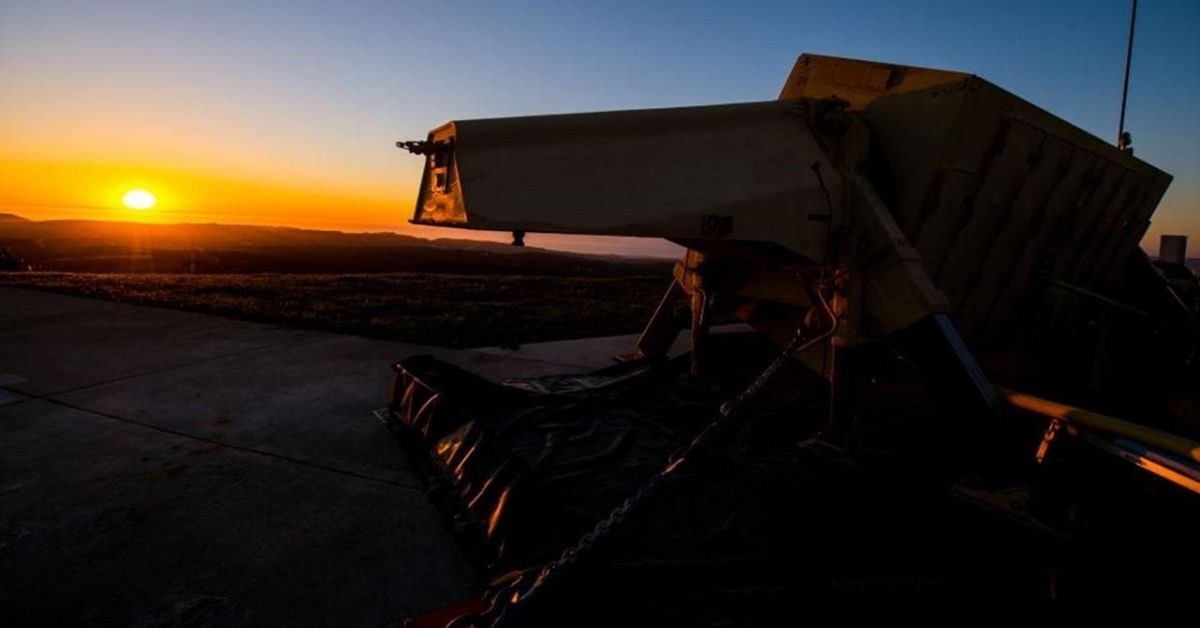
The shifting sands of Middle Eastern geopolitics and the rapid advancement of ballistic missile technology have once again placed a remote plateau in eastern Türkiye at the center of global security discussions. The Kürecik Radar Station, located in the Akçadağ district of Malatya, is not merely a military installation; it is the fundamental “eyes” of NATO’s ballistic missile defense (BMD) architecture. Recent reports from Reuters regarding missile activities in March 2026 have underscored the life-saving strategic importance of this high-altitude outpost.
The Geography of Defense: Why Kürecik?
Established in 2012 under the NATO umbrella, the Kürecik Radar Station was a result of the European Phased Adaptive Approach (EPAA). Its location was chosen with surgical precision. Situated at an altitude of 1,800 meters, the radar has a clear, unobstructed electronic “line of sight” over the Middle East. This geographic advantage allows it to detect ballistic missiles almost immediately after they clear their launch pads, providing NATO allies with precious minutes of early warning that could mean the difference between interception and catastrophe.




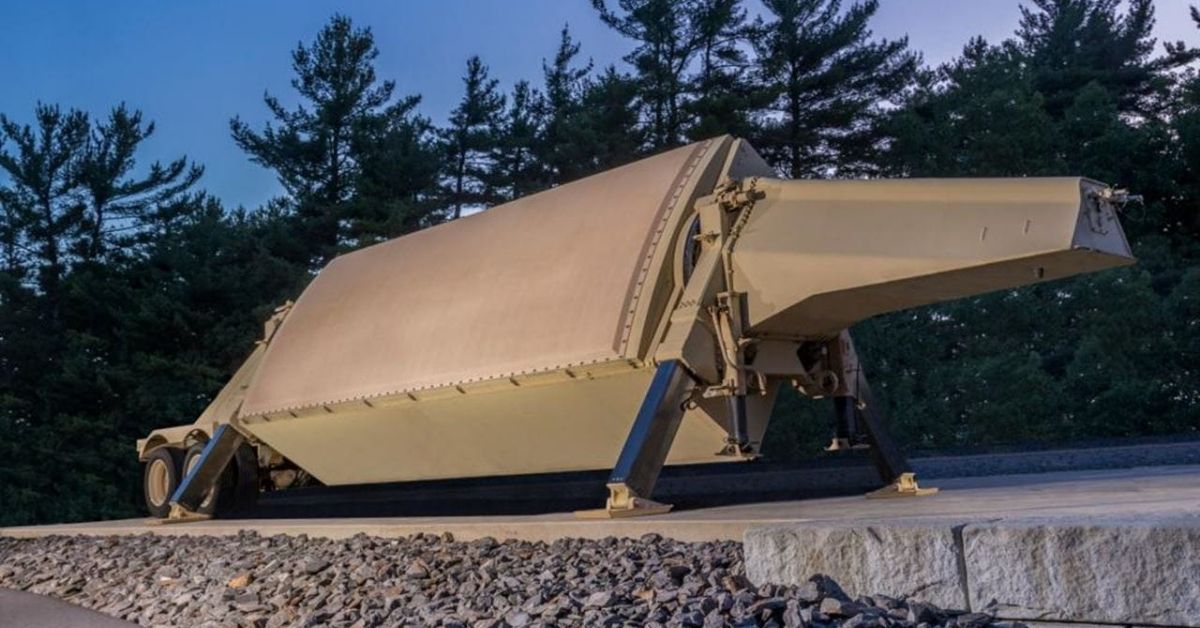
Technical Prowess: The AN/TPY-2 Radar System
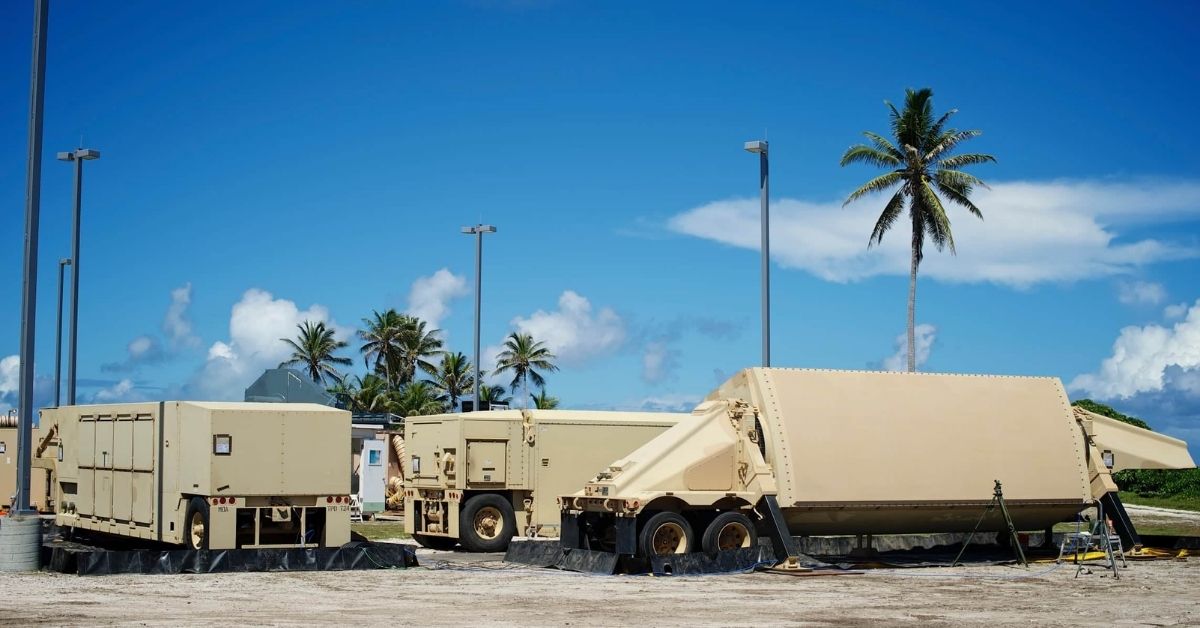
The facility houses the AN/TPY-2 (Army Navy/Transportable Radar Surveillance) system, a high-resolution, mobile X-band radar developed by the U.S. defense giant Raytheon. It is widely considered the most capable radar in the world for ballistic missile defense.
Key Technical Specifications:
Frequency Band: Operating in the X-band (8–12 GHz), the radar provides exceptional clarity, allowing it to distinguish between an actual warhead and “decoys” (objects meant to trick defense systems) in space.
Detection Range: While classified, open-source data suggests a tracking range of 1,000 to 2,000 kilometers.
Advanced Tracking: The system uses an Active Electronically Scanned Array (AESA) antenna, directing beams electronically rather than mechanically, which allows for near-instantaneous tracking of multiple targets.

The Defense Chain: How It Works
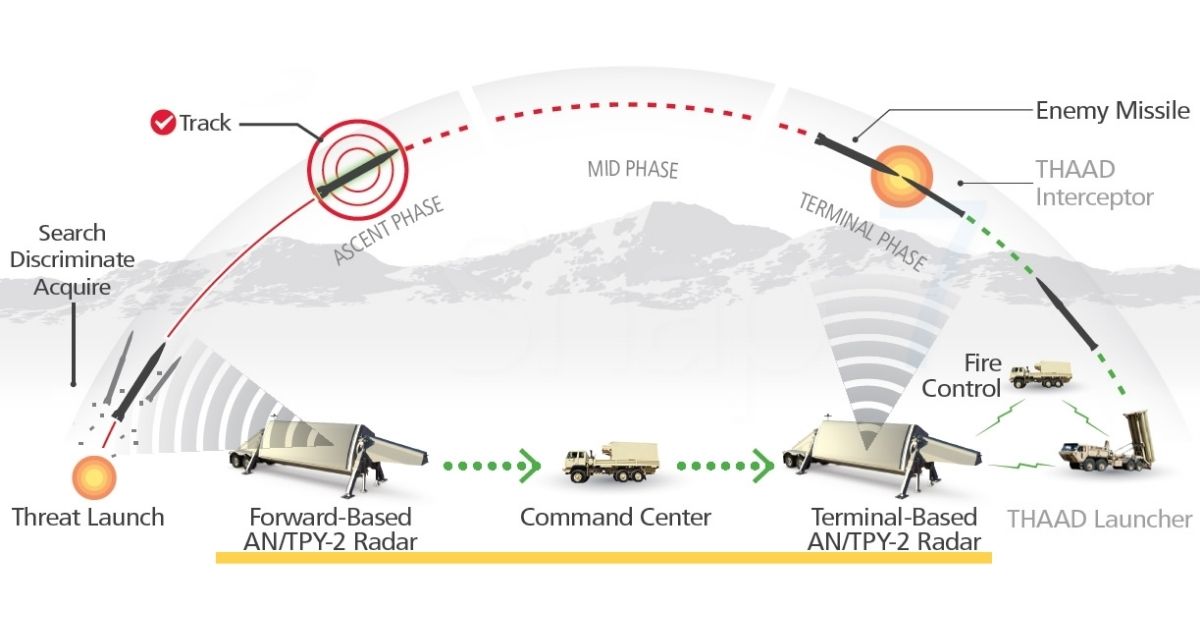
Kürecik does not fire missiles; it provides the data necessary to hit them. The process is a marvel of modern synchronization:
Launch Detection: A missile is launched in the Middle East.
Tracking: Kürecik’s radar locks onto the target, calculating its speed, trajectory, and predicted impact zone.
Data Transmission: This information is fed into the NATO command network, specifically to Ramstein Air Base in Germany.
Interception: The target data is sent to “shooters”—Aegis BMD ships in the Mediterranean or SM-3 interceptors at ground sites in Romania and Poland.

The March 2026 Crisis: A Real-World Test
According to recent Reuters reports, the theoretical importance of Kürecik was put to a stern test in March 2026. Three ballistic missiles launched from Iran towards Türkiye were detected by the Kürecik system. NATO air defense assets successfully neutralized these threats before or shortly after they entered Turkish airspace.
In response to this escalation, the United States deployed MIM-104 Patriot batteries to the region. The primary objective of this deployment is the protection of the Kürecik Radar Station itself and other vital NATO installations, ensuring the “eyes” of Europe remain open during times of high tension.
Geopolitical Friction: The Iran-Israel Dimension
The radar remains a point of significant diplomatic friction. Iran has long criticized the facility, claiming it is a tool designed to monitor its sovereign activities and alleging that the radar data serves to protect Israel.
However, the Republic of Türkiye and NATO leadership have consistently maintained a firm stance: Kürecik is a NATO asset. The data gathered is used exclusively for the collective defense of NATO allies and is shared only through NATO command channels. This distinction is a cornerstone of Türkiye’s regional diplomacy.
Operational Structure and Security
The base operates under a unique dual-layered security and management framework:
Command: The radar system is technically operated by U.S. military personnel, but it functions under the operational control of NATO.
Security: Internal security is maintained by U.S. forces, while the external perimeter and overall site protection are the responsibility of the Turkish Armed Forces (TSK).
Conclusion: The Essential Shield
As the world enters a new era of missile proliferation, the Kürecik Radar Station stands as an indispensable component of 21st-century deterrence. By providing the first link in the defense chain, Malatya ensures that the NATO alliance is never caught off guard. For Europe, Kürecik is not just a radar station; it is a fundamental guarantee of security in an increasingly unpredictable regional landscape.