A leading trend in consumer technology: AI-powered smart homes

Rapid advances in technology continue to reshape daily life and household habits. Global consumer research and technology trend reports indicate that, from 2026 onwards, AI-powered smart home devices capable of interacting with one another will become increasingly widespread. In this transformation, Samsung stands out among the companies focusing on artificial intelligence integration across a wide range of products, from next-generation televisions to home appliances.
Projections published each year by technology outlets and futurists show that consumers are gravitating towards devices that combine minimalist design with the ability to think on the user’s behalf and adapt to individual habits. Among the key consumer technology trends expected to define 2026 are AI-driven products that offer a holistic and interconnected ecosystem.


AI reshapes everyday home life
What consumers today experience as a “smart home” largely consists of devices that can be controlled via internet connections and mobile applications. The next generation of smart homes, however, goes beyond simple connectivity by using artificial intelligence to learn user preferences, make predictions and take decisions on their behalf.
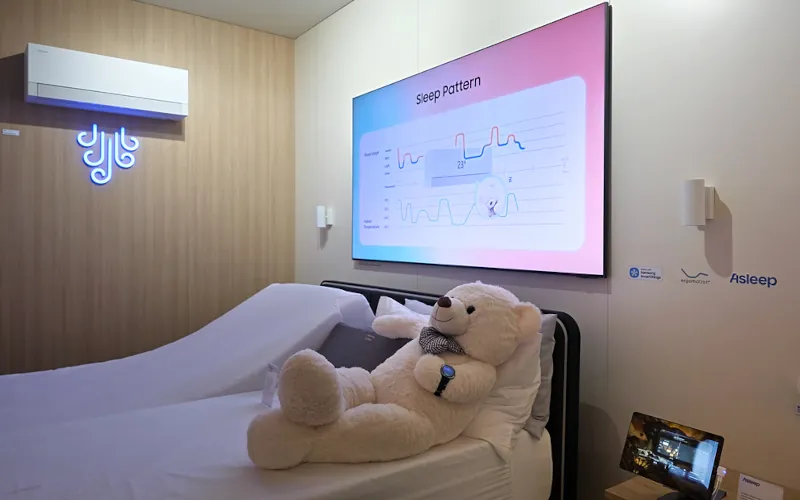
Under Samsung’s AI Home vision, devices such as washing machines, vacuum cleaners, air conditioners and televisions communicate with one another to form an integrated ecosystem. By learning users’ sleep schedules, temperature preferences and daily routines, these devices aim to enhance comfort through automatic adjustments while also contributing to energy efficiency and more sustainable living.

Televisions become the hub of home management
With the integration of artificial intelligence, televisions are evolving from simple viewing devices into central control points for the home. Large-screen, AI-powered televisions are gaining prominence through both their design and advanced features.
Samsung’s Micro RGB display technology, developed using micrometre-sized LEDs, is designed to improve colour accuracy and contrast. Used in ultra-large 115-inch screens, the technology aims to deliver a new level of experience in the premium television segment. In addition, AI-enhanced image processing in Samsung’s OLED series seeks to redefine viewing experiences on large displays.
Wellness-focused wearables gain prominence
Wearable technologies that provide actionable insights into physical and mental health are also expected to play a growing role in the coming years. Samsung’s Galaxy Watch8 series tracks users’ sleep patterns, energy levels, mood and daily activities, offering personalised recommendations based on collected data.
By combining AI-driven personalisation with sleep, fitness and holistic wellness features, the devices are positioned to act as proactive digital companions throughout the day.
Screens spread throughout the home
Another key element of the smart home trend is the increasing presence of devices equipped with screens of various sizes. Samsung’s range includes refrigerators with 9-inch AI Home screens and other household appliances with integrated displays, bringing information, entertainment and connectivity into different areas of the home.
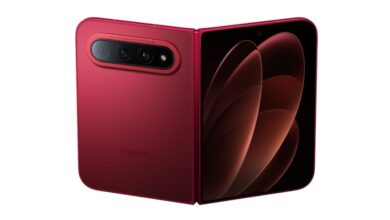
In the smartphone segment, dual-screen and foldable devices are also expected to continue gaining momentum. Samsung’s Galaxy Z series aims to expand the mobile experience through redesigned foldable forms and multi-modal AI capabilities.
These AI-driven developments point to a future in which homes, from 2026 onwards, become more personalised, connected and sustainable living spaces.