The iPhone 18 Pro Max and Samsung Galaxy S26 Ultra are two of the most advanced flagship smartphones of 2026. Apple’s iPhone 18 Pro Max combines the A20 Pro chip, a 6.9-inch Super Retina XDR display, a new 48MP Pro Fusion camera system and up to 2TB of storage. Samsung’s Galaxy S26 Ultra counters with a 200MP main camera, S Pen support, Privacy Display, a 5,000mAh battery and a broad range of Galaxy AI features.
Both smartphones target users looking for premium displays, high-end performance, advanced cameras and long-term software support. However, Apple and Samsung take noticeably different approaches to hardware, software, artificial intelligence and mobile photography.
So, iPhone 18 Pro Max or Samsung Galaxy S26 Ultra? Which phone has the better camera, display, processor, battery life, AI features and overall user experience?
This detailed comparison looks at the iPhone 18 Pro Max and Galaxy S26 Ultra across design, display, performance, cameras, video recording, artificial intelligence, battery life, charging, storage, software and everyday use.
iPhone 18 Pro Max vs Galaxy S26 Ultra: Key differences
At first glance, the two smartphones appear to target almost exactly the same audience. Both are large-format flagship phones designed for users who want premium hardware and few compromises.
However, their priorities are different.
Apple focuses on processor performance, professional video recording, camera controls, Apple Intelligence and integration with the Apple ecosystem. Samsung emphasizes camera versatility, optical zoom, the S Pen, Privacy Display, Galaxy AI and Android’s customization options.
| Feature | iPhone 18 Pro Max | Samsung Galaxy S26 Ultra |
|---|---|---|
| Display | 6.9-inch Super Retina XDR OLED | 6.9-inch Dynamic AMOLED 2X |
| Refresh rate | Up to 120Hz ProMotion | Up to 120Hz |
| Processor | Apple A20 Pro | Snapdragon 8 Elite Gen 5 for Galaxy |
| RAM | 12GB | 12GB / 16GB |
| Storage | 256GB / 512GB / 1TB / 2TB | 256GB / 512GB / 1TB |
| Main camera | 48MP | 200MP |
| Ultra-wide camera | 48MP | 50MP |
| Telephoto | 48MP | 50MP + 10MP |
| Front camera | 18MP | 12MP |
| Video | 4K Dolby Vision, ProRes, ProRes RAW | 8K video |
| Battery | Apple specifies battery life rather than capacity | 5,000mAh |
| Stylus | No integrated stylus | S Pen |
| Operating system | iOS 27 | Android |
| AI platform | Apple Intelligence | Galaxy AI |
Design comparison: iPhone 18 Pro Max vs Galaxy S26 Ultra
Both smartphones have large displays, but their physical designs take different approaches.
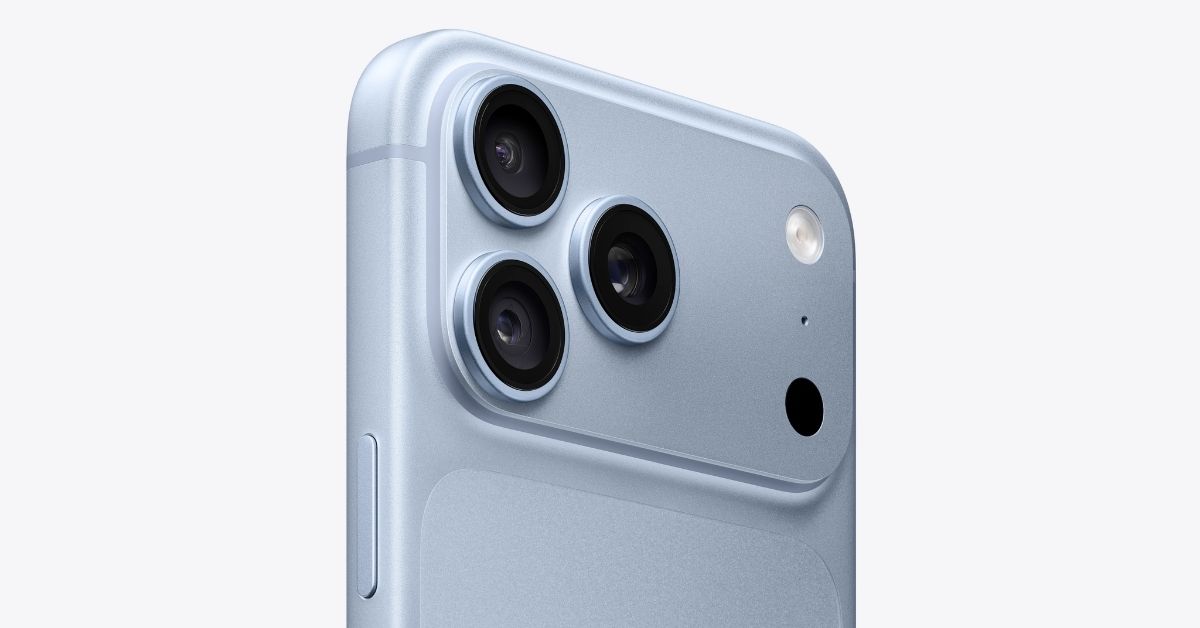
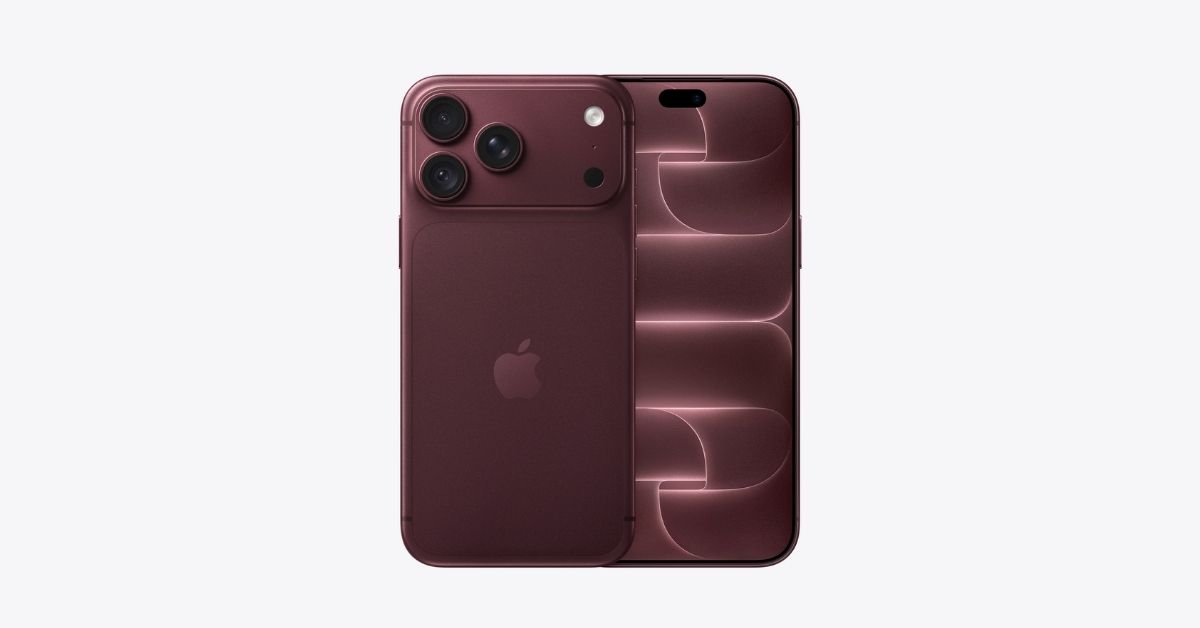
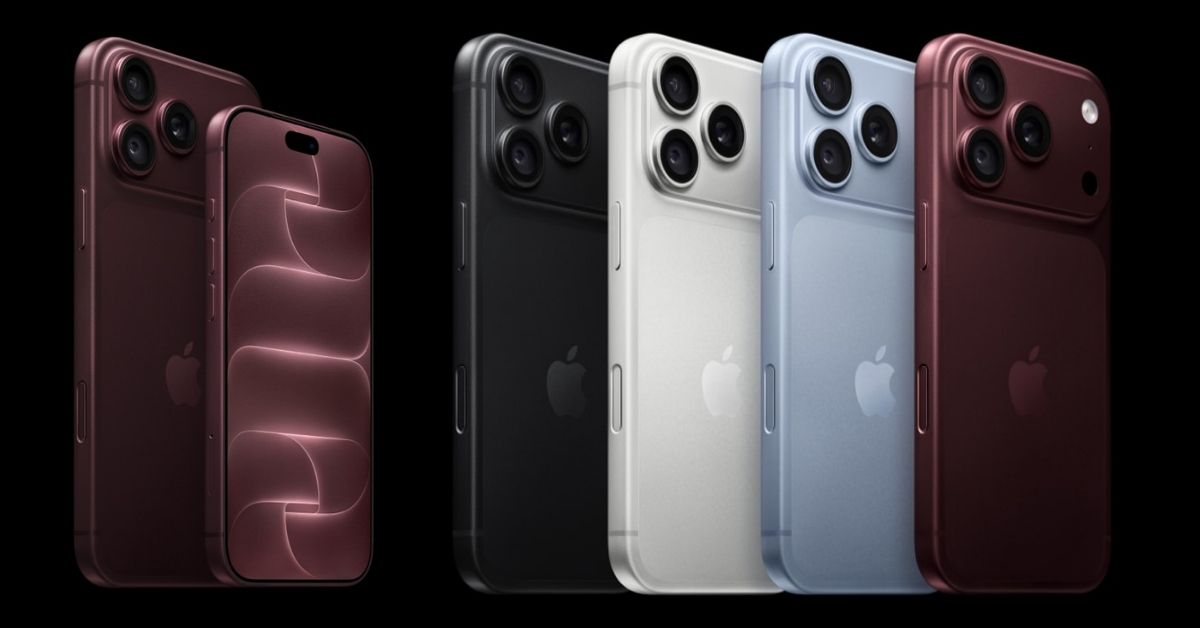
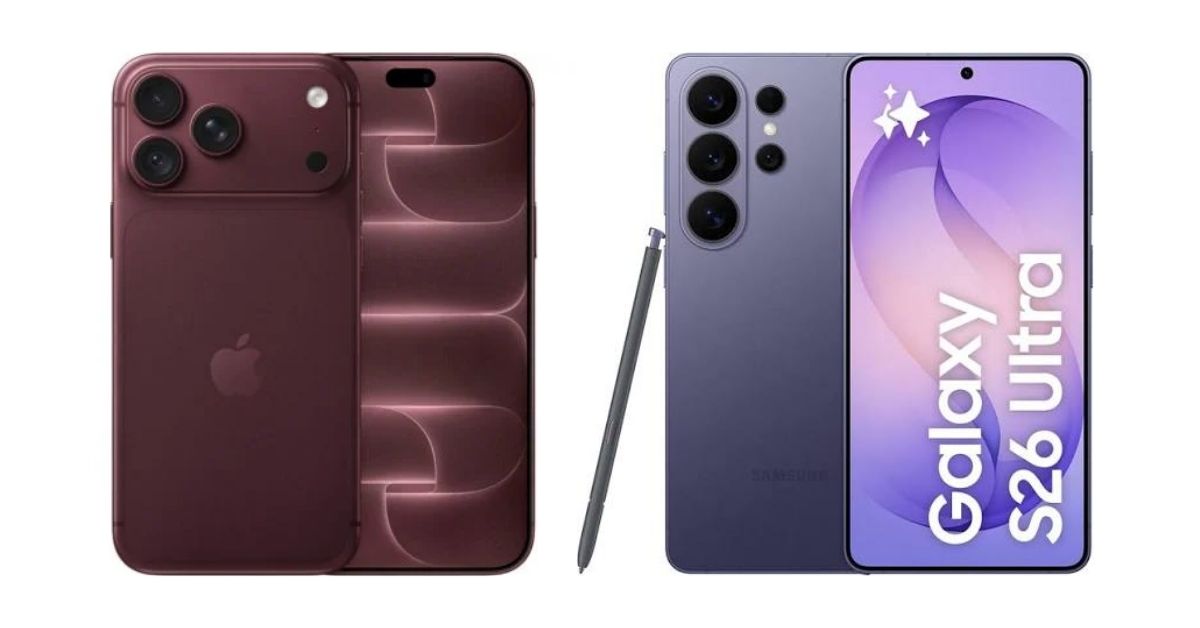
The iPhone 18 Pro Max features an aluminum unibody design and Ceramic Shield 2 on the front. It weighs 249 grams and is 8.75mm thick. Apple offers the phone in Black, Silver, Glacier and Burgundy finishes.
The Galaxy S26 Ultra is 7.9mm thick and weighs 214 grams. Samsung offers the flagship in Cobalt Violet, Sky Blue, Black, White, Silver and Rose Gold color options, with availability varying by market.
The weight difference is worth noting. Both phones have 6.9-inch displays, yet the Galaxy S26 Ultra is significantly lighter.
For users who carry their smartphone throughout the day, that difference can have a noticeable effect on comfort.
Display: iPhone 18 Pro Max or Galaxy S26 Ultra?
Both flagship smartphones feature a 6.9-inch display, so neither has a clear advantage in screen size.
The iPhone 18 Pro Max uses a 2868 x 1320-pixel Super Retina XDR OLED display with ProMotion technology and a refresh rate of up to 120Hz. Apple also advertises peak outdoor brightness of up to 3,000 nits.
The Galaxy S26 Ultra features a 3120 x 1440-pixel Dynamic AMOLED 2X display with a refresh rate of up to 120Hz.
Samsung’s flagship has another distinctive display feature: Privacy Display. The technology is designed to make information on the screen harder for people sitting nearby to see.
For watching videos, browsing the web and gaming, both displays are designed for a premium experience. Users who frequently use their phones in public spaces may find Samsung’s Privacy Display particularly useful.
Performance: A20 Pro vs Snapdragon 8 Elite Gen 5
The iPhone 18 Pro Max is powered by Apple’s A20 Pro chip. The processor combines a six-core CPU, a seven-core GPU and a 16-core Neural Engine architecture.
Apple has designed the A20 Pro not only for conventional processing performance but also for demanding on-device artificial intelligence workloads. The new thermal design is intended to help maintain performance during extended intensive use.
The Galaxy S26 Ultra uses the Snapdragon 8 Elite Gen 5 for Galaxy, a customized version of Qualcomm’s flagship mobile platform.
Samsung has optimized the processor, GPU and NPU for its flagship smartphone and combines the platform with an upgraded cooling system.
The 1TB version of the Galaxy S26 Ultra also offers 16GB of RAM, which can be useful for demanding multitasking and AI workloads.
However, RAM and processor specifications alone do not determine real-world performance. Apple’s close integration between iOS and its hardware produces a different experience from Samsung’s Android-based software environment.
Camera comparison: iPhone 18 Pro Max vs Galaxy S26 Ultra
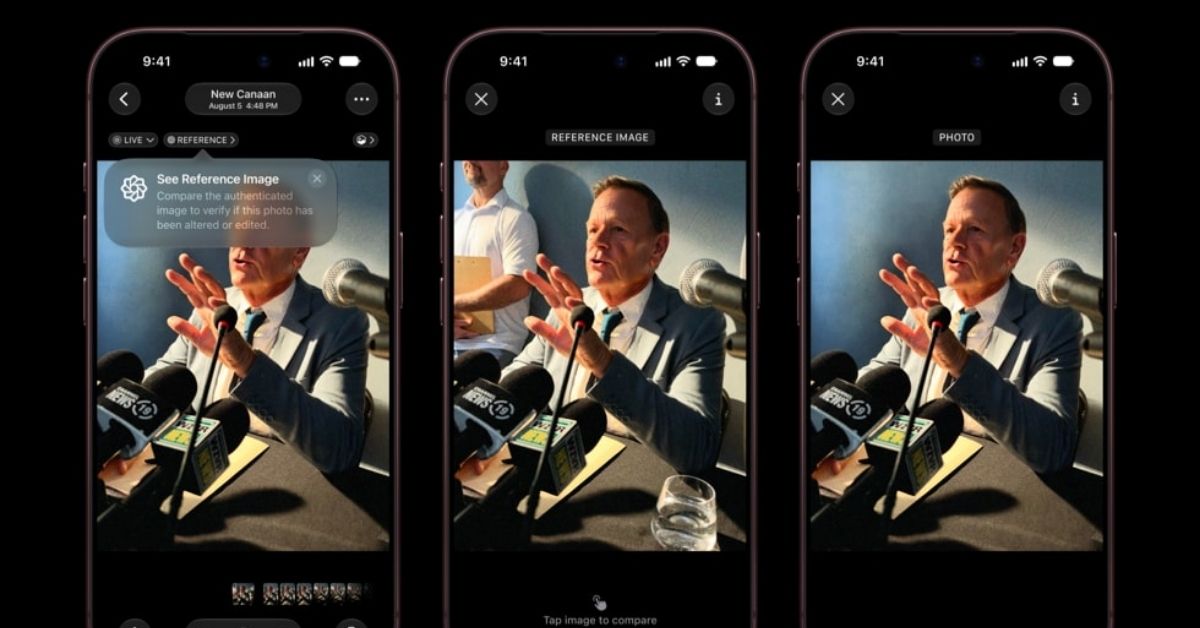
The camera system is one of the biggest battlegrounds between these two flagship smartphones.
Apple uses a triple 48MP Pro Fusion camera system on the iPhone 18 Pro Max. The main camera features a variable aperture, while the ultra-wide and telephoto cameras also use 48MP sensors.
The Galaxy S26 Ultra takes a different approach with a 200MP main camera. It is accompanied by a 50MP ultra-wide camera, a 50MP telephoto camera and a 10MP telephoto camera.
On paper, Samsung has a clear advantage in megapixel count. But megapixels alone do not determine image quality.
Sensor size, lens quality, optical image stabilization, HDR processing, computational photography, color science and low-light performance all affect the final result.
Zoom: Galaxy S26 Ultra takes the lead
One of the Galaxy S26 Ultra’s biggest advantages is its telephoto camera system.
Samsung’s flagship offers dedicated 3x and 5x optical zoom capabilities. Computational photography and AI-based image processing can extend the usable zoom range considerably further.
This can be particularly useful for concerts, sporting events, travel photography and subjects that are far away.
The iPhone 18 Pro Max uses a 4x telephoto camera and combines its high-resolution sensor with Apple’s computational photography technologies.
For users who prioritize long-range photography and zoom, the Galaxy S26 Ultra has a particularly strong hardware advantage.
Video recording: Is the iPhone 18 Pro Max better?
Video recording has traditionally been one of the iPhone’s strongest areas, and the iPhone 18 Pro Max continues that approach.
The phone supports 4K Dolby Vision recording, ProRes, ProRes RAW, Apple Log 2 and advanced video stabilization.
Apple has also expanded professional camera controls, giving users more control over settings such as shutter speed, white balance and histogram information.
The Galaxy S26 Ultra counters with 8K video recording and Nightography Video features designed to improve low-light recording.
For professional video production, social media content creation and post-production workflows, the iPhone 18 Pro Max has a strong case. Users who prioritize 8K recording and Samsung’s computational photography features may prefer the Galaxy S26 Ultra.
Artificial intelligence: Apple Intelligence vs Galaxy AI
AI has become a major part of the flagship smartphone experience in 2026.
The iPhone 18 Pro Max uses Apple Intelligence and AI-powered Siri features integrated into iOS 27. Apple’s approach combines on-device processing with its privacy-focused cloud infrastructure for tasks that require additional computing power.
The Galaxy S26 Ultra uses Galaxy AI across several areas of the smartphone experience, including photography, communication, productivity and content editing.
Samsung’s AI-powered photo tools allow users to make changes to images using natural-language instructions.
There is no universal winner in AI because the usefulness of these features depends heavily on the apps, ecosystem and workflows a user relies on.
Apple users may benefit more from the integration of Apple Intelligence across Apple devices, while Samsung users may find Galaxy AI more useful within the Galaxy ecosystem.
S Pen: A major Galaxy S26 Ultra advantage
One of the most obvious hardware differences between the two smartphones is the S Pen.
The Galaxy S26 Ultra includes the S Pen directly inside the phone. Users can use it for note-taking, drawing, document annotation and other productivity tasks.
The iPhone 18 Pro Max does not include an integrated stylus.
For people who want their smartphone to double as a digital notebook or mobile productivity device, the Galaxy S26 Ultra therefore has a clear advantage.
Battery life comparison
The Samsung Galaxy S26 Ultra has a 5,000mAh battery.
Samsung advertises up to 31 hours of video playback and supports its Super Fast Charging 3.0 technology. The company says the phone can reach approximately 75 percent charge in around 30 minutes under supported conditions.
Apple does not emphasize battery capacity in milliamp-hours. Instead, the company publishes usage figures. The iPhone 18 Pro Max is rated for up to 45 hours of video playback.
These figures should not be directly interpreted as a laboratory comparison because Apple and Samsung use different hardware, software and testing methodologies.
In everyday use, both phones are designed to deliver all-day battery life, although actual endurance will depend heavily on display brightness, mobile connectivity, gaming, camera use and AI workloads.
Charging: Which flagship is faster?
The Galaxy S26 Ultra puts a strong emphasis on fast wired charging.
The iPhone 18 Pro Max supports fast wired charging as well as MagSafe and Qi2 wireless charging.
Samsung’s faster charging approach can be useful for users who frequently need to top up their phone in a short period of time. Apple’s MagSafe ecosystem, meanwhile, offers a broad range of magnetic accessories.
Storage: iPhone 18 Pro Max or Galaxy S26 Ultra?
Apple has the advantage when it comes to maximum storage capacity.
The iPhone 18 Pro Max is available with 256GB, 512GB, 1TB and 2TB of storage.
The Galaxy S26 Ultra is available with 256GB, 512GB and 1TB storage options. The 1TB version comes with 16GB of RAM.
The 2TB iPhone configuration can be particularly useful for professional photographers, videographers and creators who store large amounts of high-resolution content locally.
Samsung’s 16GB RAM configuration on the 1TB Galaxy S26 Ultra, however, can be attractive to users who frequently multitask or run demanding AI applications.
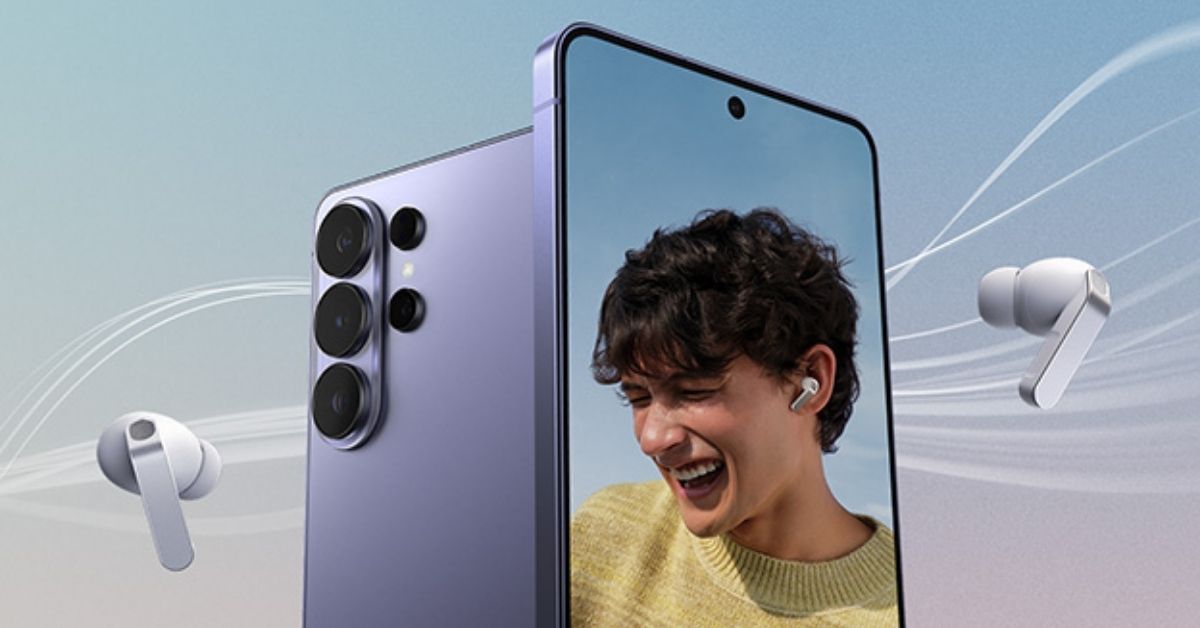
Software: iOS 27 vs Android
The operating system is arguably the biggest difference between the two phones.
The iPhone 18 Pro Max runs iOS 27, while the Galaxy S26 Ultra runs Android with Samsung’s software layer and Galaxy AI features.
Apple’s biggest software advantage is ecosystem integration. Users with a Mac, iPad, Apple Watch or AirPods can move between devices with a high level of integration.
Samsung offers a similar ecosystem strategy around Galaxy smartphones, Galaxy Buds, Galaxy Watch, Galaxy tablets and compatible computers.
Android also gives users more options for customization and system-level personalization.
Privacy: Galaxy S26 Ultra takes a different approach
The Galaxy S26 Ultra’s Privacy Display is one of the most distinctive features of the new flagship.
The technology is designed to reduce the visibility of sensitive information to people viewing the screen from an angle. This can be useful on public transportation, airplanes, cafes and offices.
The iPhone 18 Pro Max does not offer an equivalent built-in Privacy Display feature.
For users who regularly work with confidential messages, documents or financial information in public places, Samsung’s approach could be a meaningful advantage.
Price comparison: iPhone 18 Pro Max vs Galaxy S26 Ultra
Price is an important part of any flagship smartphone comparison, but the exact retail price varies by country, storage configuration, taxes, promotions and trade-in programs.
The iPhone 18 Pro Max starts at $1,299 in the United States for the 256GB version.
The Galaxy S26 Ultra is offered in 256GB, 512GB and 1TB configurations, with pricing varying by market.
When comparing the two phones based on price, it is therefore more useful to compare equivalent storage capacities rather than simply looking at the entry-level prices.
Promotional discounts, trade-in offers, financing programs and retailer-specific deals can also significantly change the final purchase price.
Which phone has the better camera?
The answer depends on how you use your camera.
The iPhone 18 Pro Max has a strong advantage for professional video workflows, offering ProRes, ProRes RAW, Apple Log 2, Dolby Vision and advanced camera controls.
The Galaxy S26 Ultra offers a more versatile photography system with a 200MP main camera, multiple telephoto cameras and strong optical zoom capabilities.
For social media creators and professional video production, the iPhone 18 Pro Max is particularly compelling. For photography, zoom and long-distance subjects, the Galaxy S26 Ultra offers greater flexibility.
Which is better for gaming?
Both smartphones provide flagship-level performance for demanding mobile games.
The iPhone 18 Pro Max combines the A20 Pro chip with Apple’s hardware-software optimization, while the Galaxy S26 Ultra uses the Snapdragon 8 Elite Gen 5 for Galaxy and an advanced thermal system.
For gaming, sustained performance is just as important as peak performance. Long gaming sessions can reveal differences in thermal management, battery consumption and sustained frame rates.
Therefore, real-world gaming tests across multiple titles are more meaningful than relying solely on benchmark scores.
Which is better for content creators?
Both phones are powerful tools for content creation.
The iPhone 18 Pro Max stands out with professional video formats, Apple Log 2, ProRes, ProRes RAW, Dolby Vision and advanced camera controls.
The Galaxy S26 Ultra offers high-resolution cameras, powerful zoom capabilities, 8K recording, Galaxy AI and the S Pen.
Creators who primarily produce video may prefer the iPhone 18 Pro Max, while those who combine photography, zoom, AI editing and mobile productivity may find the Galaxy S26 Ultra more versatile.
Who should buy the iPhone 18 Pro Max?
- Users who prefer iOS
- People already invested in the Apple ecosystem
- Professional video creators
- Users who need ProRes, ProRes RAW or Dolby Vision recording
- People who want up to 2TB of storage
- Users interested in Apple Intelligence
- People who prioritize long battery life
- Users who own a Mac, iPad or Apple Watch
Who should buy the Galaxy S26 Ultra?
- Users who prefer Android
- People who want Galaxy AI features
- Photography enthusiasts looking for a high-resolution main camera
- Users who prioritize optical zoom
- People who want an integrated S Pen
- Users who value Privacy Display
- People already invested in the Samsung Galaxy ecosystem
- Users who want 8K video recording
- People looking for a lighter 6.9-inch flagship
iPhone 18 Pro Max vs Galaxy S26 Ultra: Which one is better?
The iPhone 18 Pro Max and Samsung Galaxy S26 Ultra are both premium flagship smartphones, but they approach the high-end market from different directions.
The iPhone 18 Pro Max combines the A20 Pro chip, professional video capabilities, a 48MP camera system, up to 2TB of storage and deep Apple ecosystem integration.
The Galaxy S26 Ultra counters with a 200MP camera, advanced telephoto hardware, S Pen support, Privacy Display, Galaxy AI and a 5,000mAh battery.
If professional video production, Apple ecosystem integration and advanced video formats are priorities, the iPhone 18 Pro Max is a strong choice.
If camera versatility, optical zoom, S Pen functionality, Android customization and Galaxy AI are more important, the Samsung Galaxy S26 Ultra may be the better fit.
Final verdict
The choice between the iPhone 18 Pro Max and Samsung Galaxy S26 Ultra is no longer simply about processor speed or camera megapixels.
Apple’s flagship focuses on hardware-software integration, professional video capabilities, computational photography, Apple Intelligence and its broader ecosystem.
Samsung’s flagship takes a more feature-rich approach with advanced zoom, a 200MP main camera, S Pen functionality, Privacy Display, Galaxy AI and Android customization.
For users who want a premium large-screen smartphone, both models offer an exceptionally high level of hardware and software. The deciding factors are likely to be the preferred operating system, camera style, video requirements, zoom needs, AI features, stylus support and ecosystem.
In short, the iPhone 18 Pro Max is particularly compelling for Apple users, professional video creators and people who prioritize ecosystem integration, while the Galaxy S26 Ultra is a strong choice for Android users who want camera versatility, powerful zoom, S Pen functionality and Galaxy AI.