
The global artificial intelligence boom is putting increasing pressure on the supply of memory chips, raising costs for manufacturers of smartphones, laptops and other consumer electronics. As technology companies invest heavily in AI data centers, demand for high-performance memory is competing with the components used in everyday electronic devices.
The impact is already being felt across the consumer electronics industry. Rising memory prices are putting pressure on manufacturers’ profit margins, while some companies are adjusting product prices, shipment forecasts and hardware configurations to manage higher costs.
According to Gartner, soaring memory costs are expected to contribute to a 10.4% decline in global PC shipments and an 8.4% drop in smartphone shipments in 2026 compared with 2025. The research firm also forecasts that PC prices could rise by 17% and smartphone prices by 13% over the same period. These are forecasts rather than confirmed price increases across every product or market.
Why AI Data Centers Need So Much Memory
AI systems require substantial computing resources to train and operate large models. These systems rely on powerful processors and specialized memory technologies that allow data to be accessed quickly.
One important component is high-bandwidth memory (HBM), which is used alongside advanced AI processors to support demanding workloads. As investment in AI infrastructure grows, chip manufacturers have strong incentives to allocate production capacity to these higher-value products.
This shift can affect the availability of conventional DRAM and NAND flash memory used in consumer electronics.
According to the market research firm IDC, the expansion of AI infrastructure is putting pressure on the memory supply chain. Manufacturers have been reallocating production capacity toward memory products designed for AI data centers, limiting the supply available for some traditional consumer applications.
The result is a growing imbalance between demand for specialized AI memory and the supply of components used in smartphones, PCs and other devices.
Memory Chip Prices Are Raising Manufacturing Costs
Memory is a fundamental component of modern electronic devices. Smartphones use it to run applications, process photographs and support multitasking, while PCs rely on memory for operating systems, software and demanding workloads.
Storage chips also play an important role in keeping applications, operating systems and personal files available.
When memory prices rise, manufacturers face higher component costs. Companies can absorb some of these increases, pass them on to customers or make changes to product specifications and production plans.
However, none of these options is cost-free.
Absorbing higher costs can reduce profit margins, while increasing retail prices may discourage consumers from upgrading their devices. Reducing hardware specifications can make products less competitive, particularly when buyers compare memory capacity, storage and performance.
Reuters reported in January 2026 that rising memory prices were putting pressure on consumer electronics manufacturers, with companies considering higher prices as they responded to increased component costs.

How Much Could Smartphone and PC Prices Increase?
Gartner’s February 2026 forecast provides an indication of the potential impact on consumers.
The research firm expects global PC prices to increase by 17% and smartphone prices by 13% in 2026 compared with 2025. It also forecasts declines in shipments as higher prices weigh on demand.
These figures represent Gartner’s market outlook, not a universal price list. Actual prices will depend on manufacturers, product categories, regional markets, currency movements and retailers.
Premium devices may be better positioned to absorb higher component costs because manufacturers generally have more room to protect margins. Lower-priced smartphones and entry-level laptops face greater pressure because consumers in these segments are often more sensitive to price changes.
Manufacturers may also introduce different configurations, reduce discounts or prioritize more profitable models rather than increasing the price of every product by the same percentage.
For consumers, this means the impact could appear in several ways: higher retail prices, fewer affordable configurations, reduced promotional offers or slower improvements in memory capacity.
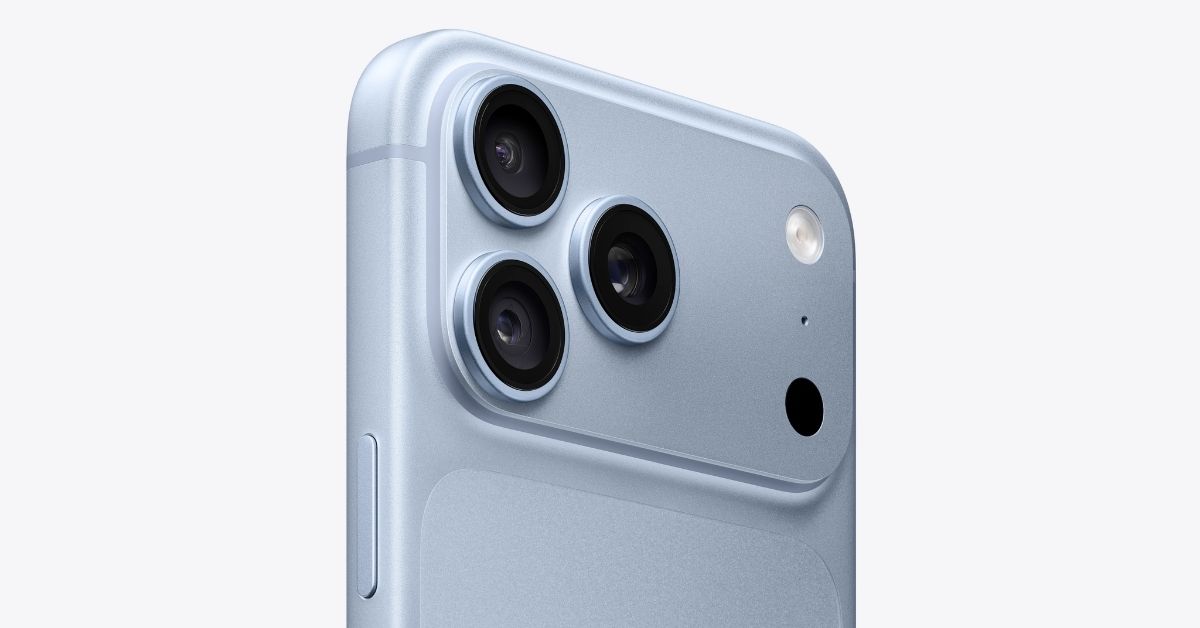
Budget Smartphones and Affordable Laptops Face Greater Pressure
The entry-level market is particularly vulnerable when component costs rise.
Budget smartphones compete on price, battery life, camera performance and everyday usability. If memory becomes more expensive, manufacturers have less room to increase hardware specifications without raising prices.
Gartner expects the effects of rising memory costs to fall disproportionately on entry-level smartphones. The company also warns that higher costs could accelerate changes in the availability of lower-priced PCs.
For laptop buyers, the issue is not limited to the amount of memory installed in a device. Manufacturers must manage the combined cost of processors, memory, storage, displays, batteries and other components.
When several costs rise at once, producing a competitively priced laptop becomes more difficult.
Some manufacturers may respond by offering fewer entry-level models or maintaining existing specifications for longer. Others may try to differentiate their products through performance, battery life or AI-related features.
The result could be a market in which consumers have to pay more to obtain the same memory capacity and performance that were previously available at lower prices.

AI PCs Could Become More Expensive
The growing popularity of AI-enabled PCs adds another dimension to the issue.
These computers are designed to handle certain AI tasks locally, using processors with dedicated AI capabilities. Depending on the software and workload, local AI features can require additional computing resources and sufficient memory.
However, AI functionality does not automatically mean a computer needs the largest available memory configuration. Requirements vary according to the applications being used and whether processing takes place locally or in the cloud.
The combination of higher memory costs and new hardware requirements could nevertheless make some AI PC configurations more expensive.
Gartner expects rising memory costs to slow the adoption of AI PCs through 2027, delaying the firm’s earlier expectation that AI PCs would account for half of the market by 2026.
This creates a challenge for PC manufacturers. They must convince consumers that new AI features justify upgrading while facing higher component costs and pressure on affordability.
For buyers who mainly use their computers for web browsing, office applications and video calls, a more expensive AI PC may not offer enough practical benefits to justify an immediate upgrade.
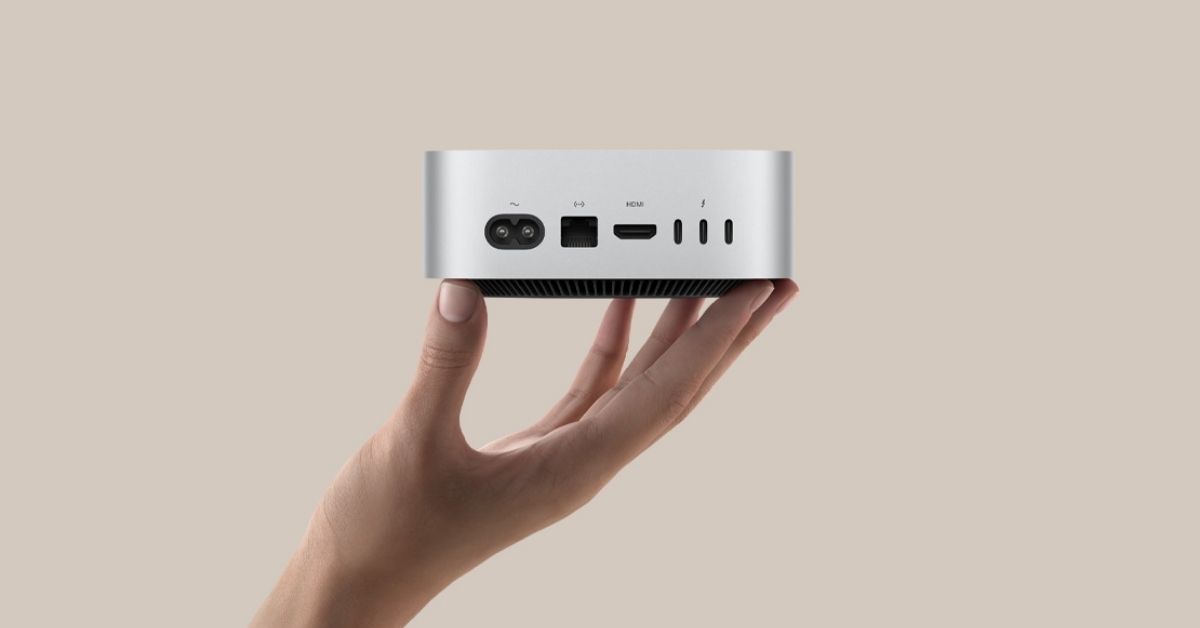
Memory Price Increases May Slow Down, but Costs Remain High
The memory market is not moving in only one direction. Prices can rise at different rates depending on the type of memory, the contract period and the balance between supply and demand.
In July 2026, TrendForce forecast that conventional DRAM contract prices would rise by 13% to 18% quarter over quarter in the third quarter. NAND flash contract prices were forecast to increase by 10% to 15% over the same period. The firm also noted that high prices and weaker consumer demand were limiting buyers’ ability to absorb further increases.
This distinction matters because a slower rate of price growth does not necessarily mean memory has become cheaper. Prices can continue rising even as the pace of increases moderates.
The situation will depend on memory manufacturers’ production decisions, demand from AI infrastructure projects and the willingness of consumer electronics companies to pay higher prices.
If demand weakens significantly, manufacturers may eventually have less room to increase prices. However, a sustained improvement in supply would also be needed to ease pressure on the market.
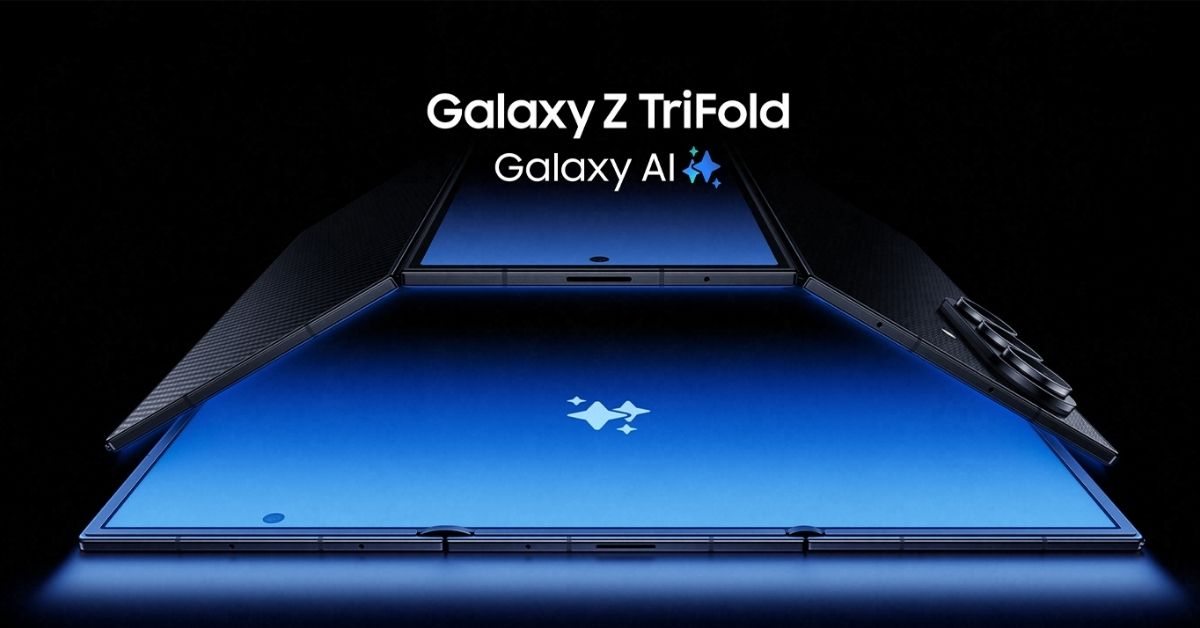
Why Consumers May Keep Their Devices Longer
Higher prices can change how frequently consumers replace their electronics.
When a new smartphone or laptop becomes more expensive, buyers may decide to keep their current device for another year rather than upgrade immediately. Others may choose refurbished products, buy older models or wait for discounts.
This behavior can reduce demand for new devices, particularly in price-sensitive segments.
The effect may be especially noticeable among consumers whose existing devices still perform adequately for everyday tasks. A phone that continues to receive software and security updates may not need to be replaced simply because a new model has launched.
For laptop buyers, upgrading memory or storage may sometimes extend a computer’s useful life, although many modern laptops have soldered memory that cannot be upgraded after purchase.
Consumers should therefore check a device’s upgrade options, software support period and warranty conditions before deciding whether to replace it.

Could the Memory Shortage Affect Other Electronics?
Smartphones and PCs are not the only products exposed to memory supply constraints.
Gaming consoles, tablets, networking equipment and other electronics also depend on semiconductor components. Higher costs can affect manufacturers across these categories, although the extent of the impact will vary according to each product’s design and component requirements.
Gaming devices may face additional pressure because they combine processors, graphics hardware and memory in relatively complex systems. Manufacturers must balance performance requirements with retail prices that consumers are willing to pay.
Other electronics may be less directly affected, depending on how much memory they use and whether manufacturers have secured supplies through long-term agreements.
It is therefore too early to conclude that every category of consumer electronics will experience the same price increases. The broader risk is that sustained pressure on memory supply could make it more expensive to manufacture a range of digital devices.
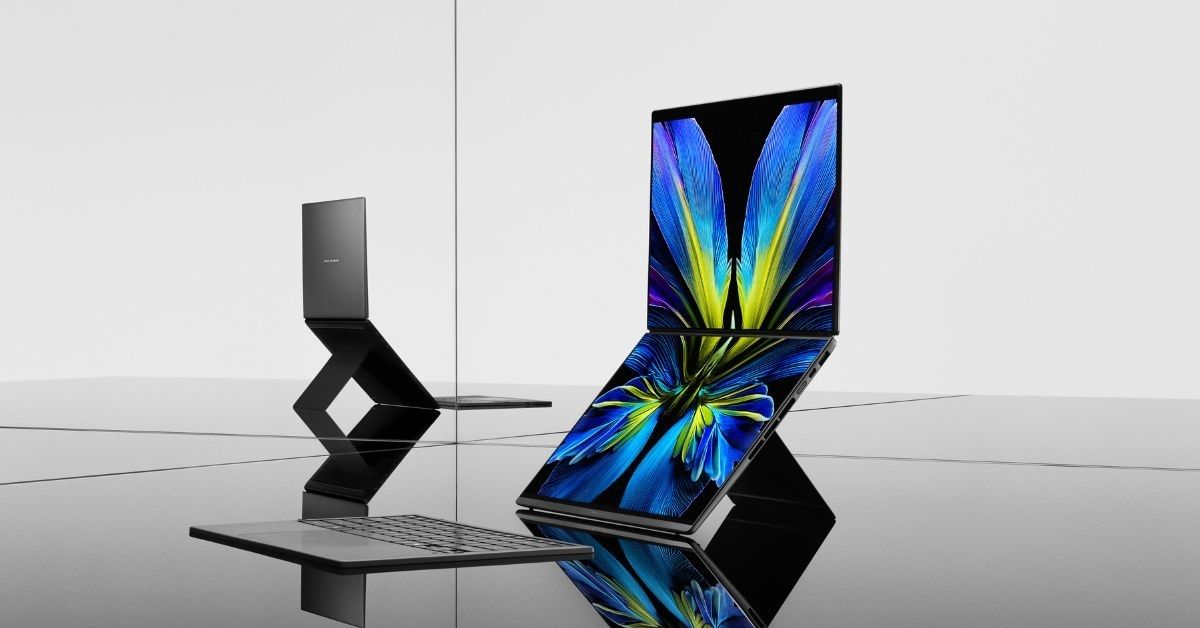
What the AI Boom Means for the Consumer Electronics Industry
The memory supply crunch highlights a growing tension in the technology industry. AI infrastructure companies are investing heavily in computing capacity, while consumer electronics manufacturers must continue delivering affordable devices to a global market.
Memory producers benefit from demand for advanced components, but higher costs can put pressure on other parts of the technology ecosystem.
For smartphone and PC manufacturers, the challenge is to manage component expenses without making their products less attractive to consumers. Some may prioritize premium models, adjust product specifications or accept lower shipment volumes to protect profitability.
For consumers, the consequences could include higher prices, fewer affordable options and longer replacement cycles.
The direction of the market will depend on how quickly memory supply expands, how AI infrastructure demand develops and whether consumers continue to accept higher prices.
For now, the AI boom is creating benefits for parts of the semiconductor industry while adding cost pressures for manufacturers of the smartphones and computers used every day.
Frequently Asked Questions
Why are AI data centers affecting smartphone and PC prices?
AI data centers require large quantities of advanced memory and other semiconductor components. As manufacturers allocate more production capacity to AI-related hardware, the supply available for consumer electronics can become tighter, increasing component costs.
Will smartphones become more expensive because of AI?
Some smartphones may become more expensive as manufacturers face higher memory and component costs. However, price increases will vary by brand, model, market and pricing strategy.
Will laptops and PCs become more expensive in 2026?
Gartner expects global PC prices to increase in 2026 as rising memory costs put pressure on manufacturers. The research firm forecasts a 17% increase compared with 2025, although actual retail prices will vary.
What is HBM memory?
High-bandwidth memory, or HBM, is a high-performance memory technology designed to provide very high data transfer rates. It is widely used alongside advanced processors in AI and high-performance computing systems.
Why are memory chips important for smartphones?
Smartphones use memory for applications, multitasking, photography, operating systems and increasingly advanced on-device AI features. Storage memory is also required for applications, photos, videos and other user data.
Could AI make smartphones more expensive even if consumers do not use AI features?
Yes. The effect does not depend solely on whether an individual consumer uses AI features. If AI infrastructure increases demand for memory and affects component supply, manufacturers of conventional consumer devices can also face higher costs.
Should consumers buy a smartphone or laptop now?
There is no universal answer. Consumers should consider the condition and software support of their existing device, current prices, expected usage and the availability of discounts before deciding whether to upgrade.
Could the memory shortage affect gaming consoles and tablets?
Yes. Gaming consoles, tablets and other electronics also use semiconductor memory. However, the impact will vary depending on each product’s component requirements, supply contracts and manufacturing strategy.