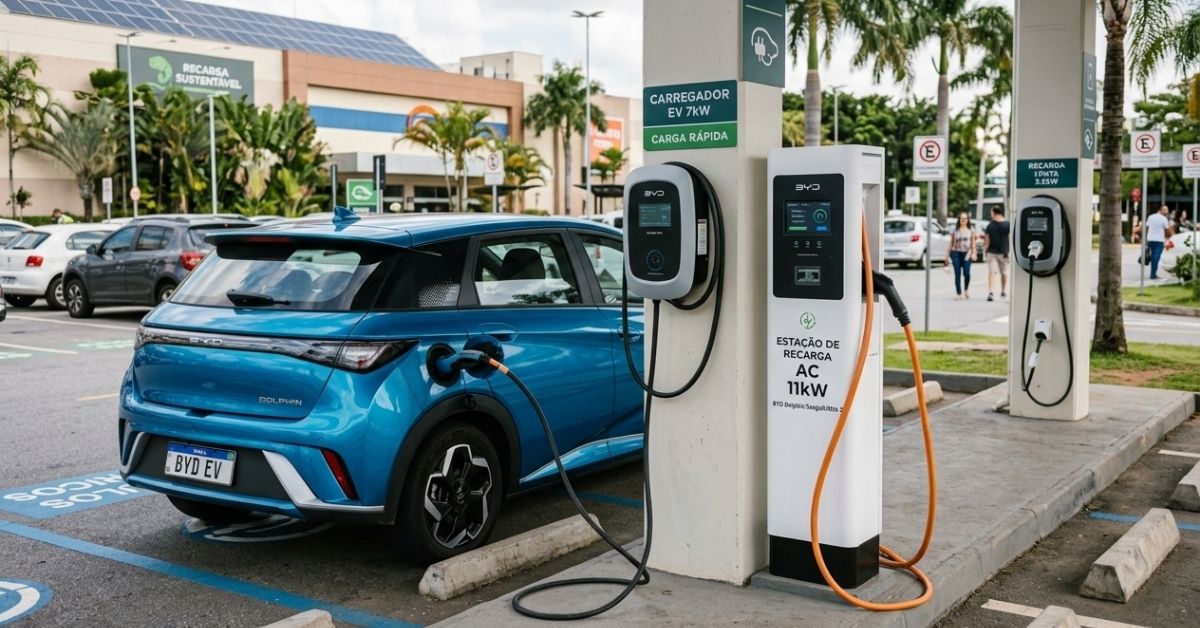
The European Union and China have reached an agreement to limit Chinese hybrid vehicle exports to Europe, potentially changing competition, production strategies and consumer choices across the automotive market.
The China-EU car trade agreement could reshape Europe’s automotive industry by placing new limits on Chinese hybrid and plug-in hybrid vehicle imports while opening the door to broader trade negotiations between the two sides.
Under the arrangement announced in October 2026, the European Union plans to limit annual imports of Chinese hybrid vehicles to 350,000 units. The measure is expected to begin in December 2026 and form part of a four-year framework, according to reports published on October 12.
The agreement comes as Chinese automakers expand their presence in Europe, competing with established European brands on pricing, technology and vehicle equipment. It also reflects growing tensions over trade imbalances and the future of Europe’s automotive manufacturing industry.
What Does the China-EU Car Trade Agreement Include?
The agreement focuses on hybrid vehicles and plug-in hybrid electric vehicles (PHEVs) manufactured in China and exported to the European Union.
According to reports published on October 12, the proposed framework sets an annual import limit of 350,000 vehicles. The measure is intended to moderate the growth of Chinese hybrid vehicle exports to the European market.
European Trade Commissioner Maroš Šefčovič said the arrangement could reduce Chinese hybrid exports by more than half compared with projected volumes over the coming years.
China’s Ministry of Commerce described the understanding as a way to maintain stable trade while ensuring that Chinese companies are not unfairly targeted or discriminated against.
The agreement follows months of negotiations aimed at addressing trade tensions between Beijing and Brussels.
However, the precise implementation details and the treatment of individual manufacturers will be important in determining the agreement’s actual impact.
Why Is the EU Limiting Chinese Hybrid Car Imports?
The European Union is seeking to protect its automotive industry as Chinese manufacturers gain market share with competitively priced vehicles.
Chinese automakers have expanded their European operations by offering a growing range of electric and hybrid models, often with extensive technology and equipment.
European manufacturers face pressure to compete on price while investing in electrification, battery technology and software-defined vehicles.
The EU has also expressed concerns about its widening trade deficit with China. Automotive imports have become an important part of the wider debate over industrial competitiveness, market access and trade policy.
The new agreement offers an alternative to escalating trade restrictions by attempting to manage import volumes through a negotiated framework.
Whether the arrangement will provide lasting relief to European manufacturers remains uncertain. Its effectiveness will depend on how the limits are implemented and how automakers adjust their production and export strategies.
Does the Agreement Affect All Chinese Electric Cars?
No. The agreement primarily concerns hybrid and plug-in hybrid vehicles, rather than imposing a blanket ban on Chinese electric cars.
The distinction matters because different types of electrified vehicles are subject to different trade measures.
- Hybrid electric vehicles (HEVs): These combine a combustion engine with an electric motor and generally recharge their batteries through regenerative braking and the engine.
- Plug-in hybrid electric vehicles (PHEVs): These combine a combustion engine and an electric motor with a battery that can be charged externally.
- Battery electric vehicles (BEVs): These operate entirely on electric power and do not have a combustion engine.
The EU already has separate countervailing duties on certain battery electric vehicles imported from China. In October 2026, the European Commission’s framework for accepting minimum-price commitments also remains relevant to the treatment of those vehicles.
The new hybrid arrangement should therefore not be interpreted as a decision to prohibit all Chinese-made electric cars.
For manufacturers and consumers, the distinction between these categories will be central to understanding which vehicles are affected.
Which Chinese Car Brands Could Be Affected?
The agreement could influence the European strategies of several Chinese automakers, including BYD, Geely, Chery and SAIC.
These manufacturers have expanded their international operations through a combination of exports, new model launches and investments in overseas production.
BYD has established manufacturing operations in Hungary and is expanding its European presence. Its range includes battery electric and plug-in hybrid vehicles.
Geely has an international portfolio spanning multiple automotive brands and has been developing its European manufacturing strategy.
Chery has also been expanding in Europe, including through vehicle production in Spain.
SAIC, the owner of MG, has built a substantial European presence with models that compete across several vehicle segments.
The effects will vary by company because their product portfolios, production locations and export strategies differ.
Manufacturers that rely heavily on exporting qualifying hybrid vehicles from China could face greater pressure to adjust their plans. Companies with established European factories may have more options for supplying the market locally.
The agreement does not necessarily mean that every model from these manufacturers will be affected in the same way.
Will Chinese Cars Made in Europe Be Exempt?
Production location could become a major factor in manufacturers’ decisions.
According to reports, vehicles assembled within the European Union, including those produced at Chinese-owned facilities, are exempt from the import cap described in the agreement.
This distinction could encourage automakers to increase local production rather than depend exclusively on shipments from China.
It could also strengthen the commercial importance of European factories, supplier networks and local employment.
However, the details of the exemption and how the rules will apply to individual production arrangements need to be considered alongside the final implementation measures.
The broader implication is clear: manufacturing inside Europe could become an increasingly important part of Chinese automakers’ market strategies.
Could the Deal Make Electric and Hybrid Cars More Expensive?
The agreement could influence prices, but it is too early to conclude that it will automatically make Chinese cars more expensive.
If the import limit reduces the availability of certain hybrid models, manufacturers could have less flexibility in supplying some European markets. The effect on retail prices would depend on demand, competition, production costs and the availability of alternative vehicles.
European automakers could benefit if the arrangement reduces competitive pressure in affected segments. However, competition from other imported vehicles and cars manufactured within the EU would remain.
Chinese brands could also respond by increasing local production, changing their model mix or prioritising battery electric vehicles that fall outside the specific hybrid import limit.
For consumers, the outcome could vary considerably by country and vehicle category.
The agreement is therefore more likely to change the competitive conditions in the market than to produce a uniform price increase across all electrified cars.
What Does the Agreement Mean for European Carmakers?
European manufacturers have been under pressure to compete with Chinese brands while managing the costs of electrification and meeting emissions requirements.
A limit on Chinese hybrid imports could provide some additional room for European companies in the affected segments. However, it does not eliminate the underlying challenges facing the industry.
European automakers still need to compete on vehicle pricing, battery efficiency, charging performance, software, manufacturing costs and customer experience.
The agreement could also accelerate decisions about where vehicles are manufactured and which models companies prioritise for European customers.
At the same time, European consumers have become accustomed to a broader choice of electrified vehicles. Limiting imports does not remove the need for manufacturers to deliver competitive products.
The longer-term impact will depend on whether European companies use the additional protection to improve their competitiveness or simply benefit from reduced import pressure.
China-EU Trade Relations Extend Beyond Cars
The automotive agreement is part of a broader effort to manage trade tensions between the two economic powers.
Reports on the negotiations indicate that the discussions also covered European access to the Chinese market, tariffs on selected European goods and the licensing of rare-earth exports.
Rare-earth materials are important to several technology industries, including electric motors, electronics and advanced manufacturing.
Improved access to these materials could matter to European companies seeking more predictable supply chains for their electrification and technology investments.
The negotiations also demonstrate how the automotive industry has become closely connected to wider questions of industrial policy, energy transition and international trade.
Further discussions are expected as China and the EU seek to address their differences across additional sectors.
What Happens Next?
The impact of the agreement will depend on its implementation, the final rules governing eligible vehicles and the responses of individual manufacturers.
Automakers will need to evaluate whether to adjust export volumes, shift production to European facilities or focus on different vehicle categories.
European manufacturers will continue to face competition from imported battery electric vehicles and vehicles produced within the EU by Chinese-owned companies.
Consumers, meanwhile, will need to consider how changes in vehicle availability and competition affect their choices.
The China-EU hybrid car agreement is an important development in the relationship between trade policy and the transition to electrified mobility. It may change how Chinese manufacturers serve Europe, but it does not mark the end of Chinese electric cars in the region.
The decisive question is whether the agreement can ease trade tensions while allowing both sides to maintain competitive automotive industries and offer consumers a broad choice of vehicles.
Frequently Asked Questions
What is the China-EU car trade agreement?
It is an arrangement intended to moderate Chinese hybrid and plug-in hybrid vehicle exports to the European Union as part of wider negotiations to reduce trade tensions.
How many Chinese hybrid cars can be imported into the EU each year?
Reports published on October 12, 2026, describe an annual limit of 350,000 vehicles under the planned framework, with implementation expected to begin in December 2026.
Does the agreement ban Chinese electric cars in Europe?
No. The agreement focuses on hybrid and plug-in hybrid vehicles. Battery electric vehicles are subject to separate EU trade measures.
Which Chinese car brands could be affected?
Brands including BYD, Geely, Chery and SAIC could be affected, depending on the vehicles they export from China and the details of the final rules.
Are Chinese cars manufactured in Europe exempt?
According to reporting on the agreement, vehicles assembled within the EU are exempt from the import cap. The treatment of individual manufacturing arrangements depends on the applicable rules.
Will Chinese electric and hybrid cars become more expensive?
Not necessarily. Prices will depend on vehicle availability, competition, production costs and manufacturers’ responses to the agreement.
Why is the EU concerned about Chinese car imports?
The EU is seeking to address trade imbalances and concerns about the competitiveness of its automotive industry as Chinese manufacturers expand their presence in Europe.
When will the agreement take effect?
Reports indicate that the planned import limit is expected to begin in December 2026. The final implementation arrangements will determine how the framework operates in practice.