
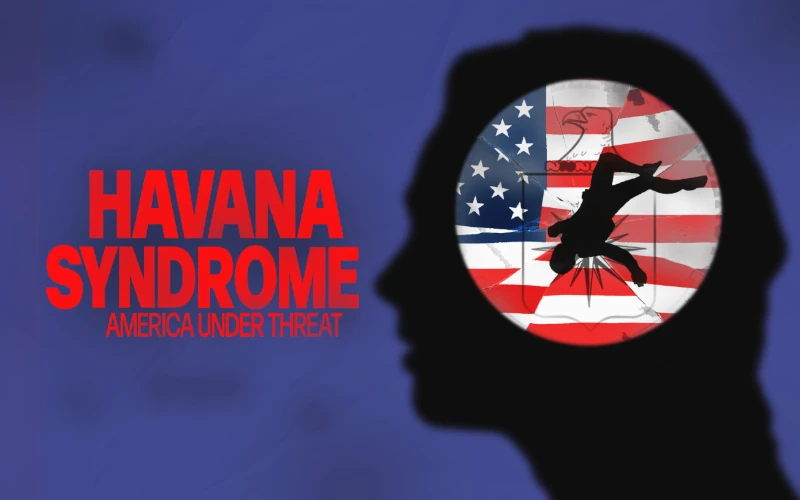
Havana Syndrome is a term used to describe a set of unexplained neurological and physical symptoms first reported in 2016 among U.S. and Canadian diplomats stationed in Havana, Cuba. Over time, reported cases were no longer limited to Havana and began to emerge among diplomatic personnel and their family members in the United States, Europe, Asia, and the Middle East.
The syndrome has been associated with symptoms such as sudden headaches, dizziness, ringing in the ears, balance problems, visual disturbances, and cognitive difficulties. To date, however, no single definitive cause of Havana Syndrome has been scientifically confirmed.
How did Havana Syndrome first emerge?
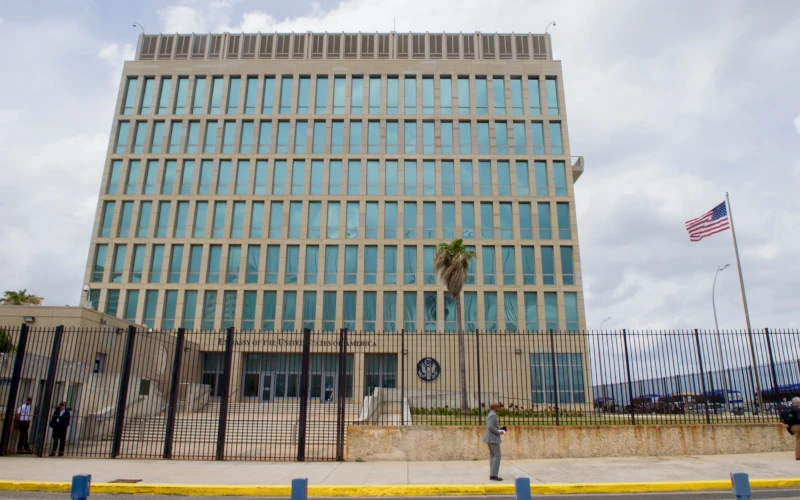
Havana Syndrome came to public attention in 2016 following complaints from diplomats working at the U.S. Embassy in Havana. Affected individuals reported experiencing symptoms while in their homes or hotel rooms, including:
- A sudden and intense sound or pressure sensation
- Pulsing or ringing in the ears
- Sharp pain localized to a specific area of the head
Following these reports, the United States and Canada withdrew a significant portion of their diplomatic staff from Havana, placing the issue at the center of international security debates.
What are the symptoms of Havana Syndrome?
Symptoms associated with Havana Syndrome vary from person to person, but the most commonly reported include:
- Severe and sudden headaches
- Dizziness and loss of balance
- Ringing in the ears or heightened sensitivity to sound
- Visual disturbances
- Concentration and memory problems
- Sleep disorders
- Nausea and gastrointestinal discomfort
In some cases, symptoms subsided over time, while in others they persisted for months or even years, leading to long-term health effects.

What causes Havana Syndrome?
The cause of Havana Syndrome remains unclear. Several leading theories have been proposed over the years:
Microwave or directed energy theory
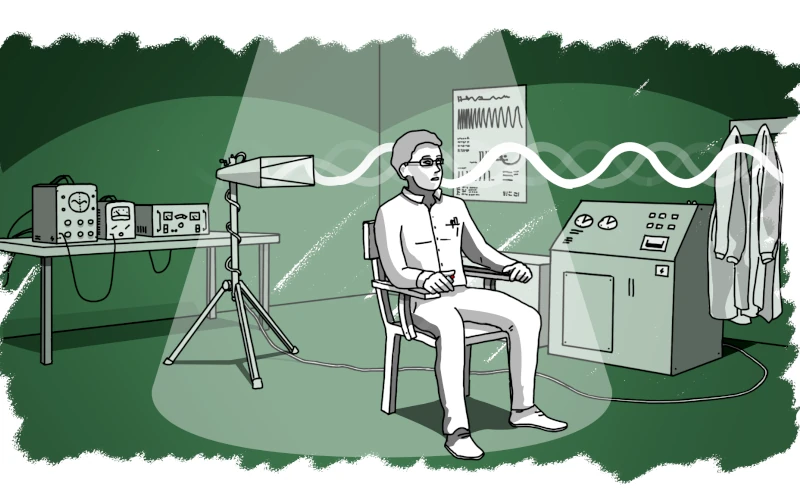
One of the most widely discussed hypotheses suggests that Havana Syndrome may be linked to microwave or directed energy weapons. According to this theory, energy waves at specific frequencies could affect the human brain, triggering neurological symptoms.
Acoustic attack claims
Another early theory proposed that high-frequency sound waves, such as ultrasound, were responsible for the reported symptoms. However, scientific investigations failed to provide strong evidence supporting this explanation.
Environmental and biological factors
Some studies suggested that Havana Syndrome might be related to:
- Exposure to toxic chemicals
- Pesticides
- Environmental stressors
Yet this explanation has struggled to account for the global distribution of reported cases.
Psychological and stress-related explanations
Some experts argue that Havana Syndrome may be linked to psychosomatic responses among diplomats working under high-stress conditions. This perspective highlights the diversity and inconsistency of reported symptoms.
In which countries has Havana Syndrome been reported?
Although Havana was the starting point, similar cases have since been reported in several countries, including:
- United States
- Canada
- Germany
- Austria
- China
- Russia
- Colombia
- Vietnam
This wide geographic spread suggests that Havana Syndrome is a global issue rather than a localized phenomenon.
Assessments by U.S. intelligence agencies
The Central Intelligence Agency (CIA) and other U.S. intelligence bodies have investigated Havana Syndrome cases for years. Official assessments have stated that the majority of incidents are unlikely to be caused by:
- A hostile foreign power
- An advanced energy weapon
At the same time, a small number of cases remain categorized as “unexplained,” indicating that investigations are ongoing.
Is Havana Syndrome real, or still a mystery?
There is no full consensus within the scientific community regarding Havana Syndrome. While some experts believe it represents a genuine medical condition with measurable physical effects, others argue that existing evidence is insufficient to define it as a single, distinct syndrome.
Nevertheless, the health challenges and professional disruptions experienced by affected individuals underscore the seriousness of the issue.
What is the current status of Havana Syndrome?
Today, Havana Syndrome is considered a complex and unresolved issue at the intersection of medicine and international security. While the number of newly reported cases has declined in recent years, treatment and rehabilitation efforts for those previously affected continue.
Experts suggest that advances in:
- Neurological imaging technologies
- Research into the effects of energy and sound waves on human health
may eventually provide clearer answers regarding the origins of Havana Syndrome.
Why is Havana Syndrome important?
Havana Syndrome is not only a medical concern but also raises critical questions about:
- Diplomatic security
- International relations
- Modern warfare and intelligence methods
For these reasons, it is widely regarded as one of the most controversial and enigmatic health phenomena of the 21st century.


