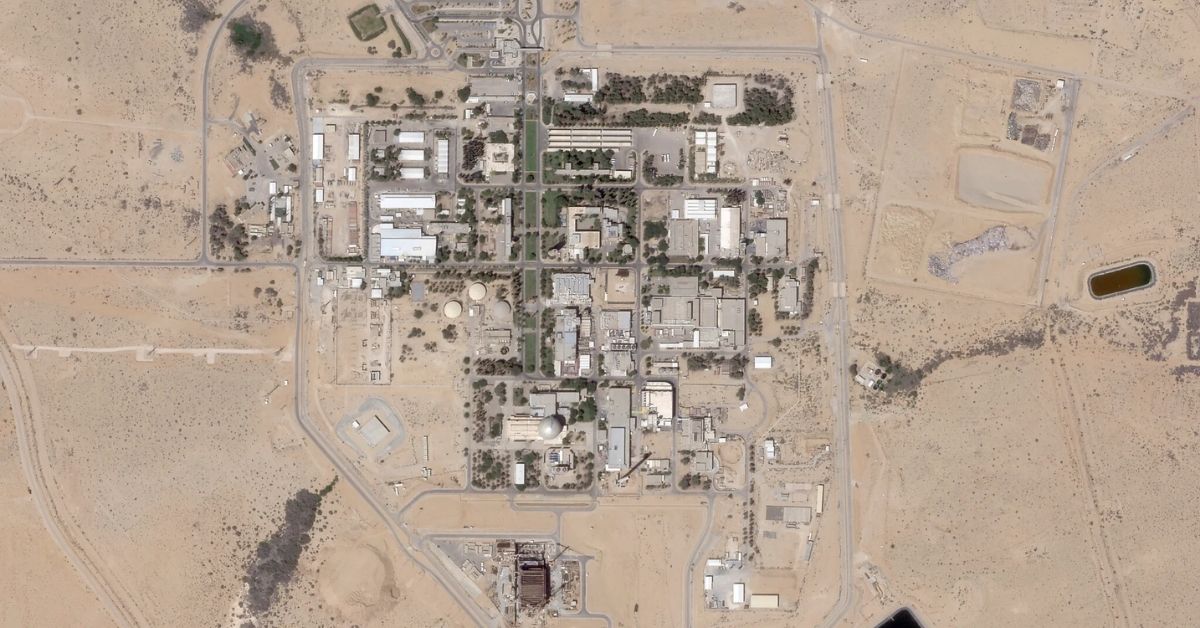
The Dimona Nuclear Plant, officially known as the Shimon Peres Negev Nuclear Research Center, remains one of the most controversial centers of global nuclear politics. Located deep in the Negev Desert, this facility is both an engineering project and a massive intelligence battlefield, serving as the core of Israel’s decades-long policy of “nuclear ambiguity.”
Founding partners and secret financing: The powers behind the Project
Dimona was planned in the late 1950s as Israel’s “existential insurance,” driven by the vision of then-Prime Minister David Ben-Gurion and Shimon Peres. Three primary countries played critical roles in bringing the project to life:
France’s technical signature: Following the 1956 Suez Crisis, French engineers worked directly on the construction of Dimona under secret protocols. France provided the reactor design and the necessary plans for the plutonium separation plant.
Norway and heavy water supply: Twenty tons of heavy water, essential for cooling and moderating the nuclear reactor, were secretly transported from Norway under the pretext of peaceful research.
German financial support: Secret agreements reached with German Chancellor Konrad Adenauer in the 1960s provided hundreds of millions of marks in credit under the “Negev Project,” serving as the financial lifeblood of the facility.
Technical structure and capacity expansion
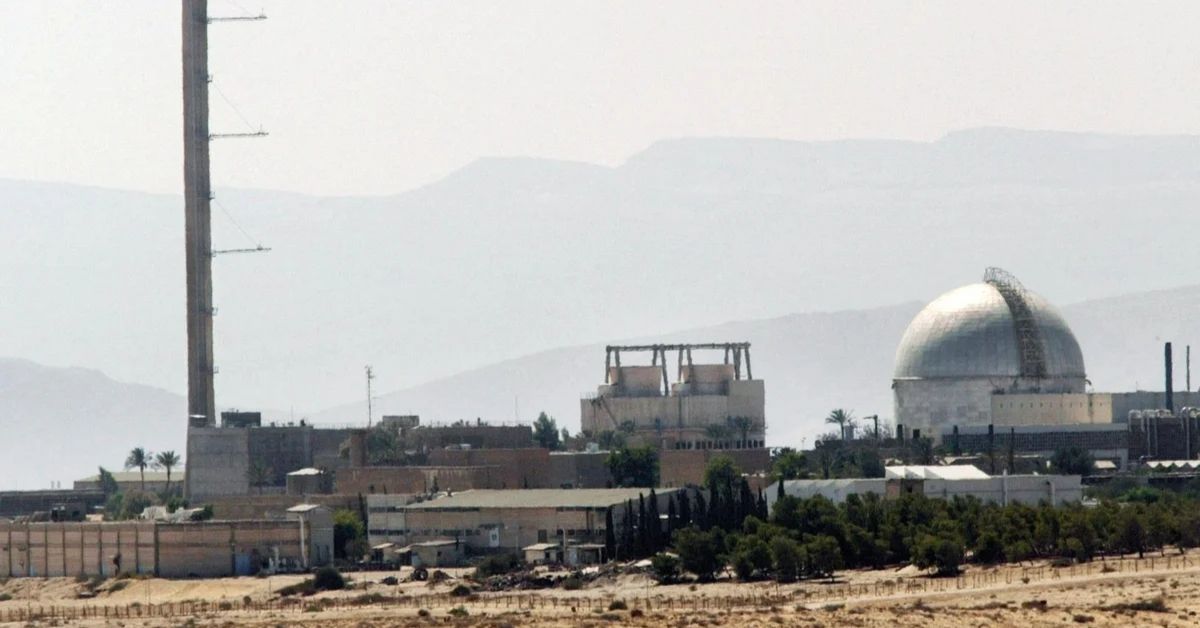
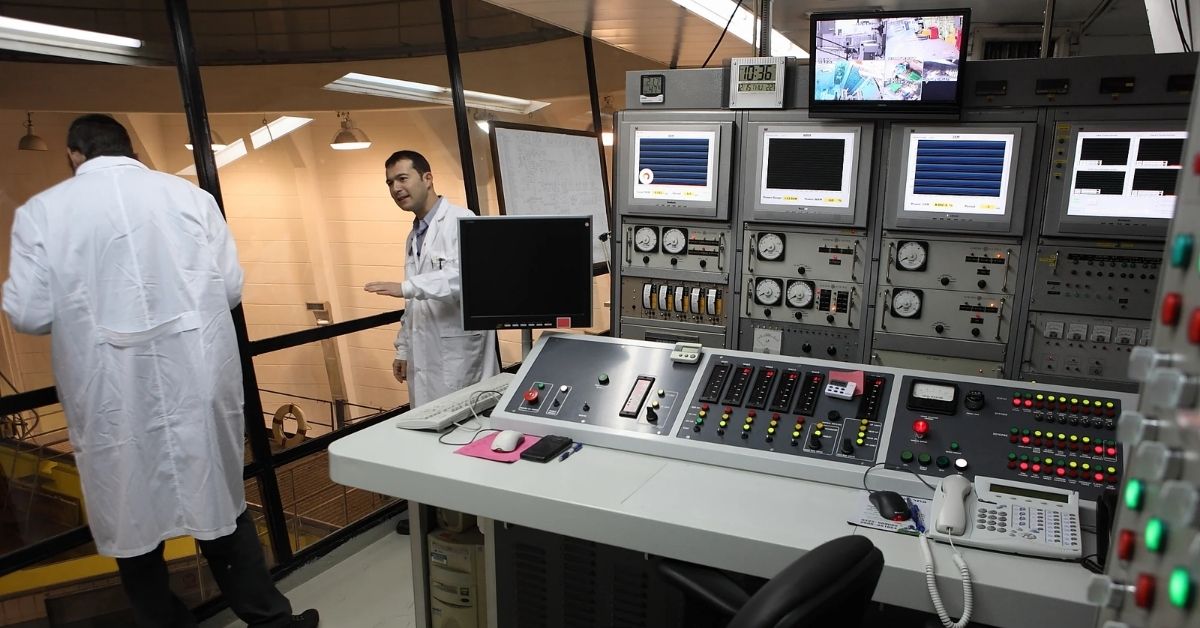
The facility consists of a nine-story structure built underground. While originally announced with a 24-megawatt capacity, experts believe that modernizations over the years have significantly increased this output.
Plutonium production: The most critical unit of the facility is the section that separates plutonium from spent fuel. Experts estimate that Dimona has the capacity to produce between 20 and 40 kilograms of weapons-grade plutonium annually.
Nuclear arsenal: According to data from the International Institute for Strategic Studies, this production capacity suggests that Israel may possess between 80 and 200 nuclear warheads.
Mordechai Vanunu: The technician’s world-changing leak
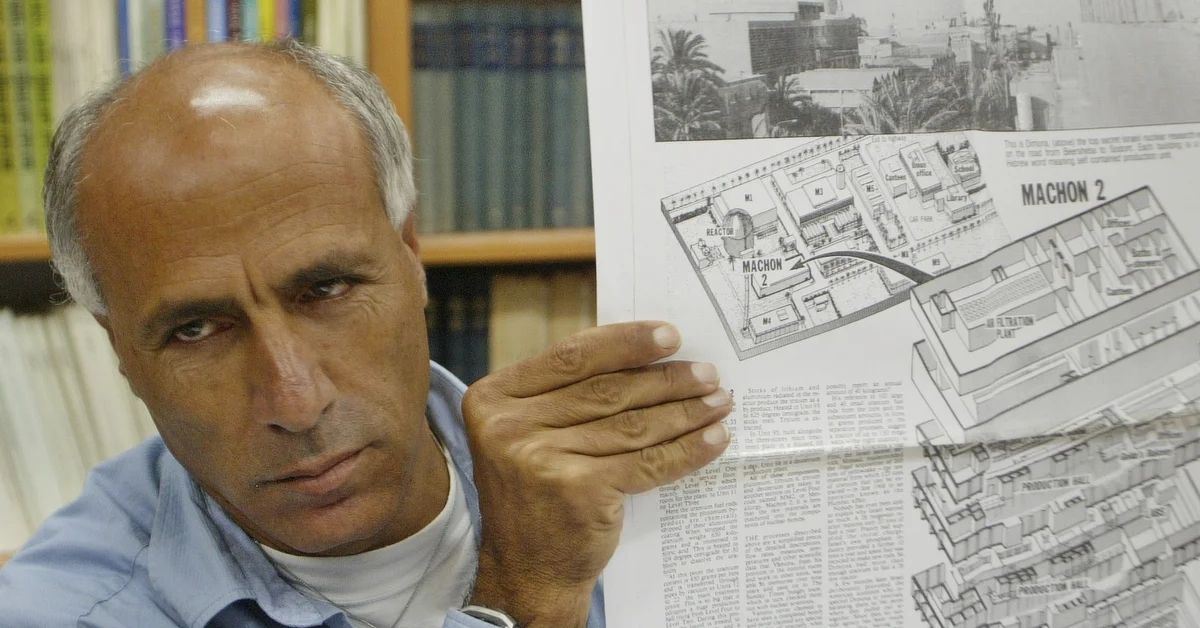
The global perception of Dimona as a “peaceful” facility was shattered in 1986. Mordechai Vanunu, a technician who worked at the plant between 1976 and 1985, took 57 photographs documenting the secret compartments and production processes inside. Speaking to the London-based The Sunday Times in 1986, Vanunu provided the world with the first concrete evidence of Israel’s nuclear weapons capability.
The abduction and imprisonment
Shortly before the story was published, Vanunu was lured into a trap in Rome by a Mossad agent codenamed “Cheryl.” He was drugged and abducted to Israel by ship. Following a closed-door trial, he was sentenced to 18 years in prison, 11 of which were spent in solitary confinement. Although released in 2004, Vanunu remains under strict restrictions, including a ban on speaking to foreign media or leaving the country.
The “Nuclear Ambiguity” agreement with the US
Dimona was a turning point in US-Israel relations. While the John F. Kennedy administration pressured Israel for inspections in the 1960s, a tacit understanding was reached during the Richard Nixon era. The US agreed to overlook the situation as long as Israel did not conduct nuclear tests and did not officially declare its status. This policy is known today as “nuclear ambiguity.”
Current status and safety concerns
Having been operational for over 60 years, the Dimona reactor is technically considered to have reached the end of its lifespan. Scientists emphasize that cracks in the reactor vessel and the risk of radiation leaks pose a threat to regional security. Satellite imagery released in 2021 revealed new expansion work at the site, interpreted as a sign that Israel is modernizing its nuclear infrastructure.