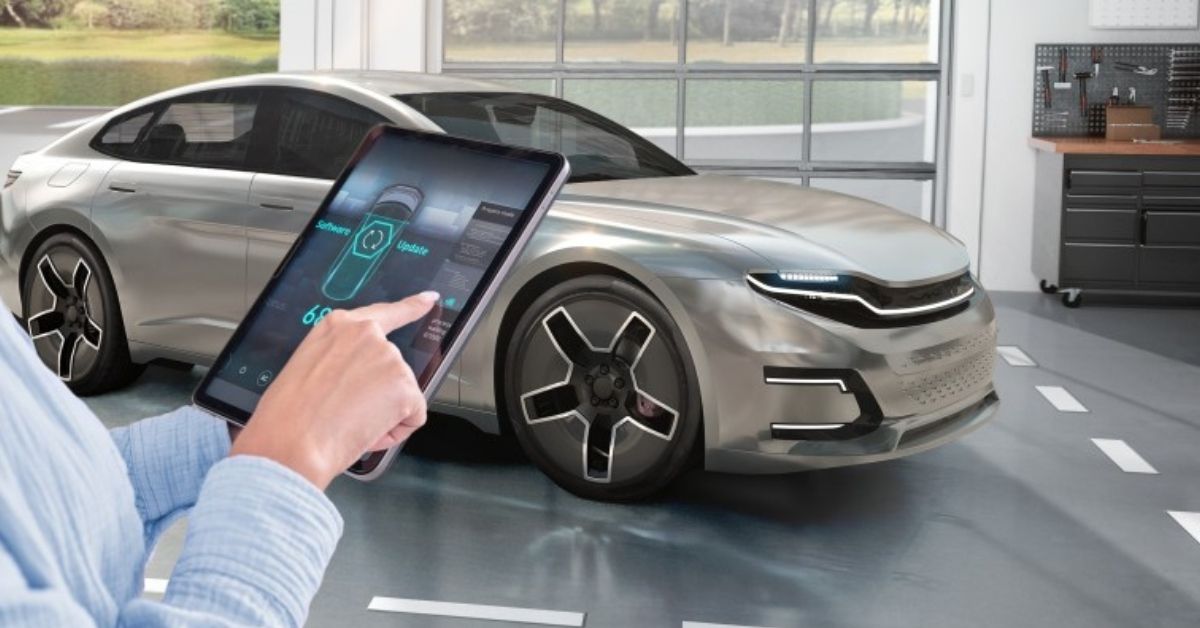
For over a century, the automotive industry measured excellence through mechanical engineering. The defining characteristics of a premium vehicle were its horsepower, torque, cylinder count, and transmission efficiency. However, a seismic shift is underway in the global transportation sector. The mechanical components that once defined a car are becoming secondary to the lines of code running beneath the surface.
We have officially entered the era of the Software-Defined Vehicle (SDV). In this new paradigm, a car’s features, performance, safety protocols, and overall value are primarily enabled and continuously transformed through software rather than physical hardware modifications.
What is a Software-Defined Vehicle?
Traditionally, automobiles were built using a decentralized hardware architecture. If a manufacturer wanted to add a new feature—like lane-keeping assist or an upgraded infotainment system—they had to install a dedicated electronic control unit (ECU) supplied by a specific third-party vendor. A modern conventional car can contain over 100 separate ECUs, each running isolated software. This legacy infrastructure makes system-wide updates nearly impossible once the vehicle leaves the factory line.
An SDV re-engineers this entire concept from scratch. It utilizes a centralized, high-performance computing architecture, often driven by powerful system-on-chips (SoCs) developed by technology leaders like NVIDIA, Intel, and Qualcomm. By consolidating the vehicle’s computational power into a centralized “brain,” the car’s hardware becomes standardized. The specific capabilities of the vehicle are then layered on top as software applications.
The Power of Over-the-Air (OTA) Updates
The most profound consumer-facing benefit of an SDV is its ability to evolve over time through Over-the-Air (OTA) updates. Traditionally, an automobile depreciated in functional value the moment it was driven out of the dealership; its technological features were frozen in time.
With SDVs, a vehicle can actually become better, safer, and more capable throughout its lifecycle. Automakers can deploy wireless updates overnight to optimize battery efficiency, enhance advanced driver-assistance systems (ADAS), patch cybersecurity vulnerabilities, or introduce entirely new digital entertainment experiences to the central cockpit.
Furthermore, this architecture opens up new, highly lucrative revenue streams for car manufacturers through features-on-demand and subscription models. Drivers can choose to digitally unlock premium features—such as automated highway piloting, heated seating, or performance-boosting sport modes—permanently or on a monthly subscription basis.
Why SDVs Dominate Global Search and Read Trends
From a digital publishing perspective, SDVs represent one of the most heavily searched and debated topics across tech and automotive media. The concept is transforming traditional automakers into agile tech companies, creating intense strategic rivalries between legacy European car brands, rising electric vehicle giants from Asia, and Silicon Valley software developers.
Audiences are highly engaged by articles analyzing how this transition impacts consumer data privacy, vehicle longevity, and the financial structures of car ownership. Because it directly influences the next major purchase a consumer makes, high-quality, analytical coverage of SDV trends yields remarkable organic click-through rates and sustained reader retention.
Technical Challenges and the Critical Role of Cybersecurity
Transitioning to a software-first model is not without significant hurdles. Developing unified operating systems that seamlessly bridge critical safety mechanisms (like braking and steering) with non-critical applications (like maps and music streaming) requires immense engineering discipline.
Moreover, as vehicles become connected computer networks on wheels, they become potential targets for siber attacks. Ensuring robust cryptographic protocols, secure cloud connectivity, and end-to-end data encryption is paramount. Automakers are investing heavily in “privacy by design” frameworks to guarantee that autonomous and connected driving functionalities remain entirely secure against external interference.
The Road Ahead
The transformation toward software-defined mobility is fundamentally rewriting the rules of the road. Horsepower is no longer the metric of automotive dominance; the battlefield has shifted to computing power, algorithm efficiency, and user experience customization.
For digital platforms focused on technology and innovation, documenting this historic convergence of software engineering and mobility is vital. The software-defined vehicle is no longer a concept of tomorrow—it is the driving force rewriting the global digital economy today.