
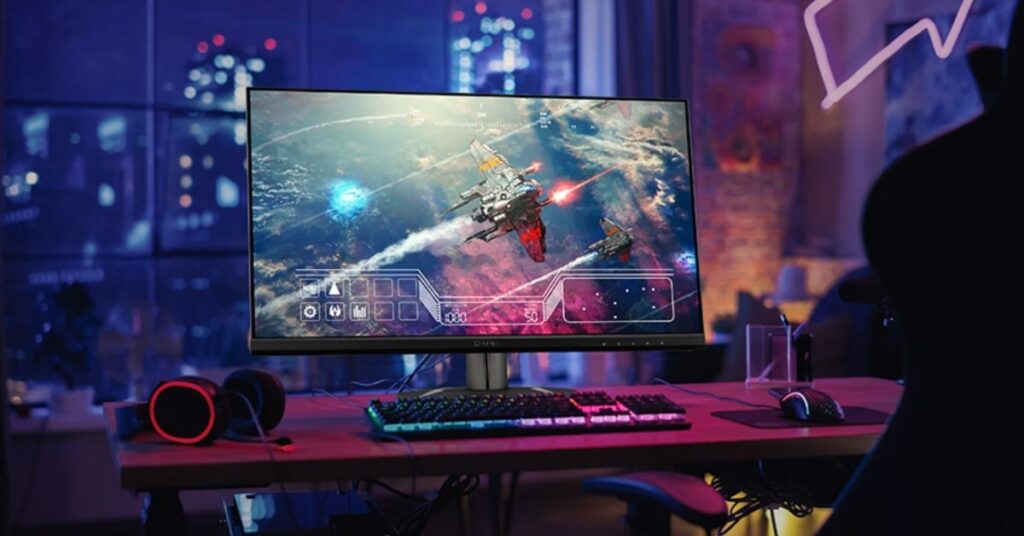
Desktop display quality has become a critical hardware component for everyday computer users, remote professionals, and digital content creators. Traditional screens operating at basic refresh metrics are being systematically replaced by next-generation desktop monitors. These modern display systems incorporate ultra-high refresh rates and sub-millisecond response latency to minimize optical fatigue and improve visual fluidity during extended computer use.
Improving image clarity through organic light emitting diode panels
The integration of advanced panel structures is shifting consumer standards for desktop visualization. Traditional liquid crystal displays often struggle with color accuracy and backlight bleeding in dark viewing environments.
Modern desktop monitors address these performance limitations by deploying organic light emitting diode technology. This hardware design allows every individual pixel to emit its own light, achieving deep contrast ratios and exact color rendering for entertainment and professional design tasks. Taiwanese consumer technology manufacturers, including ASUS via its ROG Strix lineup and Acer within its Predator series, deploy these advanced panels alongside hardware synchronization tools to eliminate screen tearing during high-motion video playback.
Protecting ocular wellness through hardware-based filtration
The expansion of monitor capabilities also introduces significant structural changes aimed at preserving user health. Prolonged exposure to desktop screens during remote work or evening entertainment can lead to digital eye strain and disrupted sleep patterns.
To mitigate these physical issues, next-generation display systems integrate hardware-based shortwave blue light filtering directly into the panel architecture. Unlike older software modifications that distort screen color balance by applying a heavy yellow tint, these physical layers isolate and reduce harmful light wavelengths while preserving exact color fidelity. Additionally, modern screens utilize advanced flicker-free power delivery mechanisms to prevent rapid, imperceptible backlighting shifts that contribute to headaches and ocular fatigue.
Establishing health and fluidity as display benchmarks
The competitive landscape of the desktop monitor market is expanding beyond simple screen dimensions and basic resolution counts. As consumer requirements shift toward healthier and more responsive computing environments, premium desktop displays are evaluated by their capacity to combine high visual fluidity with structural eye preservation features.


