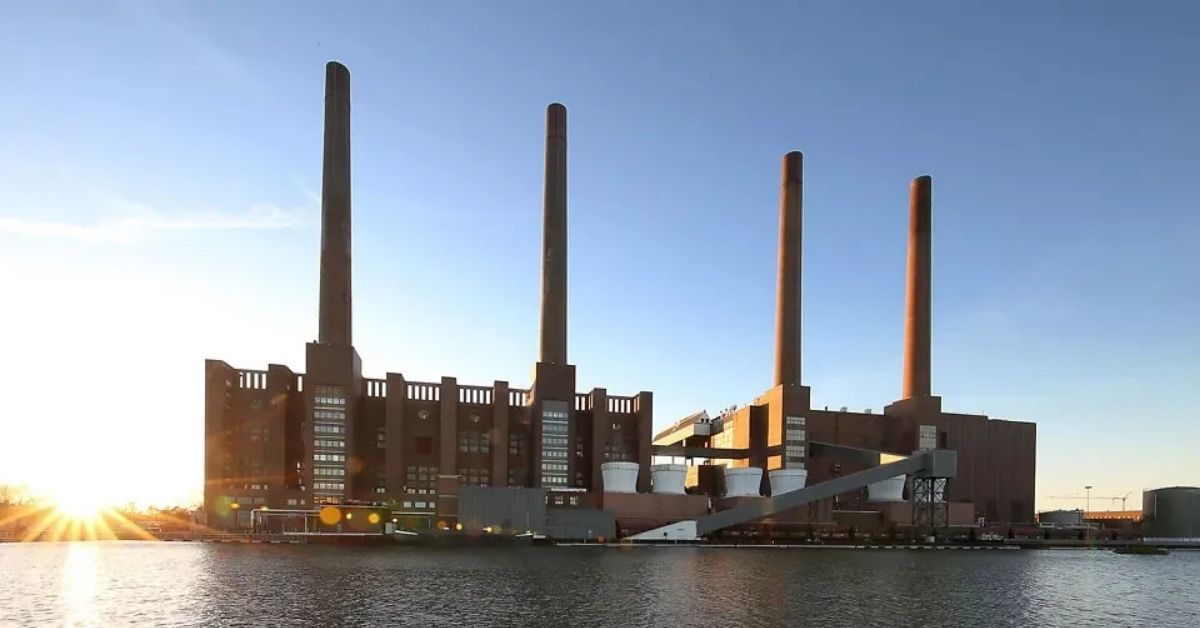
The negotiations conducted by the German-based automotive manufacturer Volkswagen with the Israeli state-owned defense company Rafael Advanced Defense Systems signal a fundamental change in the company’s production strategy. According to reports by the Financial Times, there are plans to transform the Osnabrück plant, which is currently at risk of closure, into a center for the production of components for the Iron Dome air defense system.
Volkswagen and the relationship with Adolf Hitler
The founding of Volkswagen is directly linked to Adolf Hitler’s dream in the 1930s of a “cheap and durable vehicle that every German family could own.” The foundations of the company were laid in 1937 during the Nazi regime. When World War II broke out, the company rapidly pivoted away from civilian production to manufacture military vehicles and V1 flying bombs for the German army. Today, these new steps toward ammunition infrastructure have reignited public debates regarding the company’s historical ties to the war industry.
Benjamin Netanyahu and strategic similarities
Political analysts evaluate this cooperation, supported by the German Government, in parallel with Israeli Prime Minister Benjamin Netanyahu’s “security-oriented state” policies. Much like the period of Volkswagen’s founding, the mobilization of civilian industry in line with the state’s security and defense needs carries similarities in terms of structuring industrial capacity under the argument of “national survival.” Experts state that the approach of the Netanyahu administration, which places the defense industry at the center of the economy, is manifested by giants like Volkswagen converting their production lines for military components.
International law and war crime debates
Volkswagen’s move is facing harsh criticism from human rights organizations and international law advocates. While investigations by the United Nations and the International Criminal Court regarding whether Israel’s military operations in Gaza and its surroundings constitute “war crimes” continue, the logistical support provided by a civilian industrial giant has brought about debates on “complicity.” Critics warn that Volkswagen’s inclusion in the military supply chain will make the company a direct party to regional conflicts and humanitarian crises.
Production capacity and employment plan
Under the plan, the Osnabrück facilities, which have approximately 2,300 employees, will not produce the missiles themselves, but rather the heavy-duty trucks, launching units, and power generators that carry the missiles. While Volkswagen management states that this step is a strategic move to protect employment, production is expected to begin within 12 to 18 months. For the project to be implemented, workers at the factory must individually approve the transition to the weapons industry.
Geopolitical consequences and market targets
This partnership between Volkswagen and Rafael also aims to sell the produced systems not only to Israel but also to other European governments that are increasing their defense spending. This move, which aligns with Germany’s strategic support for Israel, is described as a new way out for Europe’s defense independence and for the civilian automotive sector in the face of narrowing profit margins.